Top 10 Fluidized Bed Processors for Global Buyers?
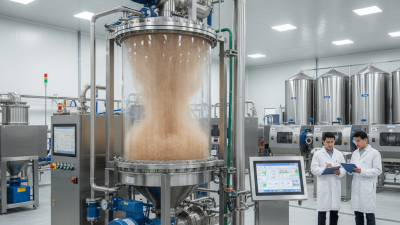
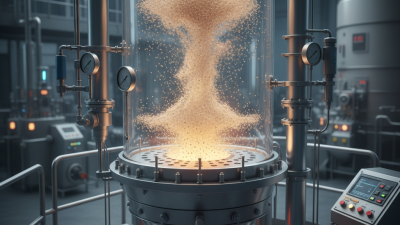
In the world of industrial processing, the Fluidized Bed Processor stands out as a key technology. It enables efficient mixing and high uniformity in granulation, drying, and other processes. Global buyers are increasingly turning to this versatile equipment to enhance productivity and product quality.
The diverse applications of Fluidized Bed Processors include pharmaceuticals, food production, and chemical manufacturing. Their ability to handle varying materials offers significant advantages. However, selecting the right processor can be daunting. With numerous options available, buyers must consider specific features and capabilities.
While many Fluidized Bed Processors deliver excellent results, not all are created equal. Each option has its pros and cons. Understanding these differences is crucial for making an informed decision. This guide provides insights into the top 10 Fluidized Bed Processors, helping buyers find reliable and efficient solutions tailored to their needs.
Top Fluidized Bed Processors: Market Overview and Key Trends
The market for fluidized bed processors is evolving rapidly, reflecting trends in various industries. According to a recent report by MarketsandMarkets, the global fluidized bed technology market is projected to reach
USD 8.7 billion by 2025, growing at a CAGR of 5.2% from 2020. This growth stems from the increasing demand for efficient processing equipment in pharmaceuticals, food, and chemical industries.
Innovations in fluidized bed technology are creating significant shifts. Enhanced performance and energy efficiency are high priorities. The rise of sustainable practices demands processors that can minimize emissions and optimize energy use.
A study by Grand View Research highlights that environmentally friendly designs are driving investments in modernizing existing systems.
However, many manufacturers struggle to balance innovation with operational costs.
Despite advancements, challenges remain. The need for skilled operators is crucial for effective processing. Many companies face workforce gaps, impacting operational efficiency. Additionally, varying regulatory frameworks across regions complicate compliance.
These elements add complexity to market dynamics, suggesting that while opportunities abound, reflexivity in strategy and operations remains essential in this evolving landscape.
Factors Influencing Fluidized Bed Processor Selection for Buyers
When selecting a fluidized bed processor, buyers must consider various critical factors. The type of material processed significantly impacts the choice. Materials with different densities and flow characteristics can influence the effectiveness of a processor. For instance, a report from the International Journal of Chemical Engineering indicates that using a fluidized bed for fine powders can enhance efficiency by up to 30%. However, not all processors handle every type of material equally well.
Another essential factor is energy efficiency. Recent studies show that modern fluidized bed systems can reduce energy consumption by 20-25% compared to older models. Buyers should weigh the initial investment against the long-term savings. In addition, the scalability of the equipment is crucial. Some processors are better suited for small-scale operations, while others can easily scale up for larger production. A misjudgment in capacity needs could lead to significant operational inefficiencies.
Maintenance and operational complexity should also be assessed. Complex systems may require specialized training, increasing costs. Reports indicate that companies miscalculating maintenance requirements can face downtimes of up to 15% annually. Understanding these elements can lead to informed decisions that align with production goals.
Comparative Analysis of Leading Fluidized Bed Processor Manufacturers
When considering fluidized bed processors, global buyers face a variety of options. Each manufacturer brings distinct advantages and challenges to the table. Evaluating these factors requires a deep understanding of fluid dynamics, material characteristics, and process requirements.
Key elements for comparison include design efficiency, energy consumption, and scalability. Some manufacturers excel in producing high-throughput systems, while others focus on energy-efficient solutions. It's essential to consider how each processor performs under different material conditions. A fluidized bed processor that works well for one application may not be suitable for another. Specifications can frequently be misleading, necessitating thorough analysis by potential buyers.
Additionally, buyer experiences often highlight the importance of after-sales service. Reliable support can greatly influence the processor’s longevity and performance. Unexpected issues may arise, prompting the need for quick resolutions. Engaging with manufacturers who prioritize customer feedback can lead to better long-term cooperation. Balancing performance metrics with practical considerations can initially seem daunting, but it is crucial for making informed investments.
Performance Metrics of Fluidized Bed Processors in Various Industries
Fluidized bed processors are vital in various industries, including pharmaceuticals and food production. Their efficiency impacts product quality and production costs. A report by Global Industry Analysts highlights that the fluidized bed processing market is expected to reach $2.5 billion by 2025. This growth is driven by the need for efficient manufacturing processes.
Performance metrics vary across industries. In pharmaceuticals, these processors enhance granulation and drying, improving bioavailability. A study shows that using fluidized bed technology can increase drug release rates by up to 30%. In the food sector, they ensure uniform coating and drying. This consistency helps maintain flavor and shelf life. However, challenges remain in scale-up processes.
Tip: Regular maintenance improves the efficiency of fluidized bed systems. Investing time in training operators can minimize errors. Knowledgeable staff can optimize system performance and address potential bottlenecks. Always evaluate processing parameters to ensure compliance with industry standards. This diligence can lead to better product outcomes and cost savings.
Top 10 Fluidized Bed Processors for Global Buyers
| Processor Type |
Max Capacity (kg/h) |
Heat Source |
Efficiency (%) |
Applications |
| Batch Fluidized Bed |
500 |
Electric |
85 |
Pharmaceuticals |
| Continuous Fluidized Bed |
1000 |
Gas |
90 |
Food Processing |
| High-Pressure Fluidized Bed |
300 |
Steam |
88 |
Chemicals |
| Double-Layer Fluidized Bed |
750 |
Infrared |
84 |
Metals |
| Mini Fluidized Bed |
200 |
Electric |
80 |
Laboratory |
| Batch Coating Bed |
400 |
Hot Air |
87 |
Pharmaceuticals |
| Electrostatic Fluidized Bed |
600 |
Gas |
82 |
Ceramics |
| Variable Temperature Bed |
1100 |
Steam |
89 |
Plastics |
| Microwave-Assisted Bed |
350 |
Microwave |
90 |
Food Supplements |
| Hybrid Fluidized Bed |
450 |
Gas/Electric |
91 |
Renewable Energy |
Future Outlook: Innovations in Fluidized Bed Processing Technology
Fluidized bed processing is evolving rapidly, pushing the boundaries of innovation and efficiency. Recent advancements focus on improving heat transfer and mass distribution. This results in better particle interaction and enhanced product uniformity. Researchers are exploring novel materials for better durability and performance. The shift towards sustainable processing is evident, with a focus on reducing energy consumption.
Novel approaches, like integrating artificial intelligence, are becoming popular. AI can optimize processes and provide real-time monitoring. This increases reliability and ensures consistent product quality. However, the integration of new technologies sometimes comes with challenges, such as the need for staff retraining.
Emerging trends point towards smaller, modular systems that offer flexibility. These systems can be tailored for various applications, from pharmaceuticals to food processing. The sector faces challenges in scaling innovative solutions. Concerns about compatibility and operational efficiency cannot be ignored. It is crucial to consider these aspects as we move forward in fluidized bed technology.