How to Choose a Fluidized Bed Processor for Your Needs?
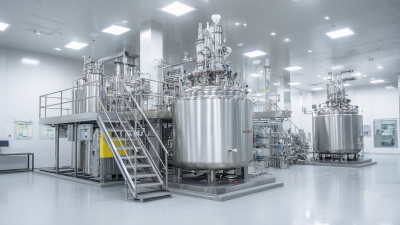
Choosing the right Fluidized Bed Processor can be a daunting task. With various models and specifications available, it’s crucial to have expert guidance. Dr. Emily Thatcher, a leading expert in particle technology, emphasizes, "The right processor simplifies operations and enhances product quality." Understanding your specific needs is essential.
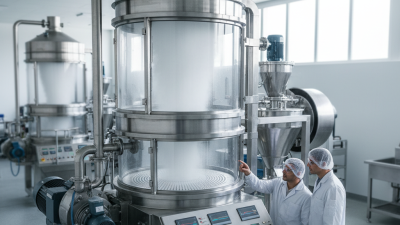
Fluidized Bed Processors serve diverse industries. From pharmaceuticals to food processing, each sector demands unique features. This machinery can improve efficiency and uniformity. However, not all processors are created equal. Evaluating your requirements will help in making an informed decision.
Consider the processor’s capacity, material compatibility, and energy efficiency. Sometimes, pricing may cloud decision-making. It’s vital to prioritize functionality over cost. Reflecting on past experiences can also guide your choice. Always seek professional insights before investing in a Fluidized Bed Processor.
Factors to Consider When Selecting a Fluidized Bed Processor
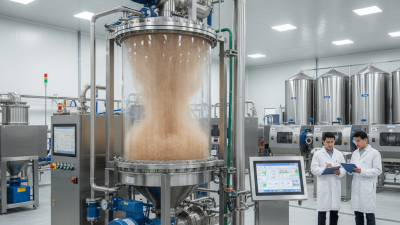
When selecting a fluidized bed processor, several factors come into play. One of the key considerations is the type of material to be processed. Different materials may require varying airflow rates and particle sizes for optimal results. Industry reports suggest that the particle size can significantly influence the efficiency of the drying or granulation process. For instance, finer particles may improve heat and mass transfer but might also lead to higher agglomeration rates.
Another crucial aspect is the scale of production. Smaller operations may benefit from pilot-scale units, which allow for easy adjustments. Conversely, larger manufacturers often focus on scalable systems that maintain uniformity and consistency across batches. A study by the International Journal of Chemical Engineering highlights that maintaining consistent bed height is essential for processing efficiency.
Moreover, energy consumption should not be overlooked. Fluidized bed systems typically have lower energy costs, but not all units are created equal. Reports indicate that energy efficiency can vary by up to 30% based on design. Choosing a processor that helps minimize operational costs while meeting your throughput demands is vital. While these considerations are important, it is also critical to reflect on the specific needs of your application and the long-term benefits of your investment.
The Role of Particle Size Distribution in Fluidized Bed Processing
When selecting a fluidized bed processor, particle size distribution is critical. It directly influences efficiency and product quality. A narrow distribution often leads to uniform fluidization, enhancing processing performance. Conversely, a broad distribution can result in uneven behavior during operations. Understanding this aspect is vital for achieving desired outcomes.
For optimal results, consider these tips. First, analyze your material’s characteristics. Knowing the particle size range helps in making informed choices. Secondly, test small batches to observe how different distributions impact fluidization. This practical approach can reveal potential issues early on.
While aiming for ideal conditions, remember that not all variables can be controlled. Variations in raw materials may occur. It’s essential to be adaptable and ready to modify processing parameters to maintain effectiveness. Regular assessments can help ensure consistent performance and quality. Pay attention to both expected and unexpected outcomes throughout the processing stages.
Particle Size Distribution in Fluidized Bed Processing
This chart illustrates the influence of different particle sizes on fluidized bed processing efficiency. The data represents the relative distribution of particles in micrometers, showing how the proportion of different sizes affects processing performance.
Understanding the Impact of Material Properties on Processor Efficiency
When selecting a fluidized bed processor, understanding material properties is crucial. The size, shape, and density of your materials influence the efficiency of the processor. For instance, irregular particles can lead to uneven fluidization, affecting heat transfer and product uniformity. It’s vital to assess how these properties interact during processing.
Additionally, the moisture content of the materials can significantly impact performance. High moisture can lead to agglomeration, while low moisture may not achieve desired binding effects. Testing sample materials in controlled conditions can help predict these challenges. It’s a common oversight to disregard these factors, leading to suboptimal operations.
Conducting a thorough analysis is essential for optimal efficiency. Yet, manufacturers often overlook specific material behaviors. Understanding the flow characteristics is important to avoid miscalculations. Each material will behave differently under fluidized conditions, requiring careful observation and adjustment. This level of awareness enhances reliability and ensures a smoother operational process.
How to Choose a Fluidized Bed Processor for Your Needs? - Understanding the Impact of Material Properties on Processor Efficiency
| Material Type |
Particle Size (µm) |
Bulk Density (g/cm³) |
Moisture Content (%) |
Fluidization Velocity (m/s) |
Processor Efficiency (%) |
| Granulated Sugar |
100-200 |
0.85 |
0.5 |
0.3 |
85 |
| Pharmaceutical Powder |
50-150 |
0.6 |
1.0 |
0.4 |
90 |
| Cereal Flakes |
200-400 |
0.7 |
2.0 |
0.5 |
78 |
| Coarse Sand |
300-600 |
1.5 |
0.1 |
0.6 |
70 |
| Milk Powder |
80-120 |
0.5 |
1.5 |
0.35 |
88 |
Evaluating Energy Consumption and Operational Costs of Fluidized Beds
When choosing a fluidized bed processor, evaluating energy consumption and operational costs is crucial. Understanding these factors can influence your long-term financial investment. Fluidized beds can consume significant energy, affecting operational budgets. Analyze the specifications of different processors to see their energy ratings. This will help you make an informed decision.
Tips: Look for models that offer energy-saving features. Compare the energy consumption of various processors. A slight difference can lead to major savings over time.
Operational costs should include maintenance and repair expenses. A fluidized bed system might need regular check-ups. Maintenance affects efficiency and performance. Consider systems with easy access to parts, simplifying repairs. This can save both time and money in the long run.
Tips: Invest in training for your staff. Proper training can reduce the risks of operational errors. Regular training sessions help ensure optimal use of the equipment, ultimately lowering operational costs.
Comparing Batch vs. Continuous Fluidized Bed Processing Systems
When comparing batch and continuous fluidized bed processing systems, understanding their unique characteristics is essential. Batch processing often accommodates flexibility and experimentation. Manufacturers can adjust parameters for each batch, allowing for process adaptation. However, this flexibility can lead to increased downtime and operational variability. In fact, studies show that batch systems can have up to a 20% lower efficiency rate compared to continuous systems.
Continuous fluidized bed processing offers consistent output and reduced operational interruptions. This method ensures that materials undergo uniform processing, leading to more predictable results. Research indicates that continuous systems can improve production rates by up to 30%, significantly optimizing resource usage. However, they often require higher initial investment and more precise control systems. This trade-off necessitates careful consideration of your production needs.
Both methods present advantages and challenges. Batch systems may not fully utilize equipment capacity, leading to potential wastage. Conversely, continuous systems require detailed planning. The choice ultimately depends on production volume, desired product consistency, and available resources. Each operation's unique needs will greatly affect the decision.