




Blog
2026 Top Capsule Packaging Machine Manufacturers?
Choosing among the 2026 Top Capsule Packaging Machine Manufacturers requires more than comparing advertised speeds. Grand View Research’s Pharmaceutical Packaging Market report estimates the sector reached USD 131.2 billion in 2023 and projects continued growth through 2030. This is a broad packaging-market estimate, not a forecast for capsule machines alone. Still, it signals why manufacturers are investing in dependable, scalable packaging lines.
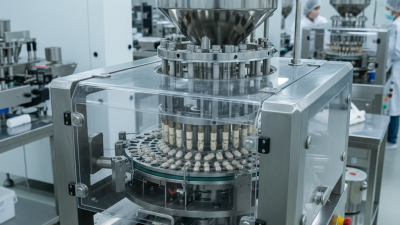
A Capsule Packaging Machine may count capsules into bottles, feed blister packs, apply seals, or support several steps in one line. Buyers should check verified output rates, changeover time, reject handling, cleaning access, and integration with inspection and labeling equipment. A fast machine is less useful if operators lose hours adjusting guides between capsule sizes. Small details matter.
This guide compares manufacturers by equipment range, customization, service support, documented performance, and suitability for different production needs. Where available, published specifications and case studies offer useful evidence; they should still be checked against the buyer’s own product and line conditions. No ranking can capture every factory’s reality. That limitation is worth admitting. The right supplier is not always the biggest name, but one that can demonstrate consistent operation, clear technical support, and practical fit for the intended workload.
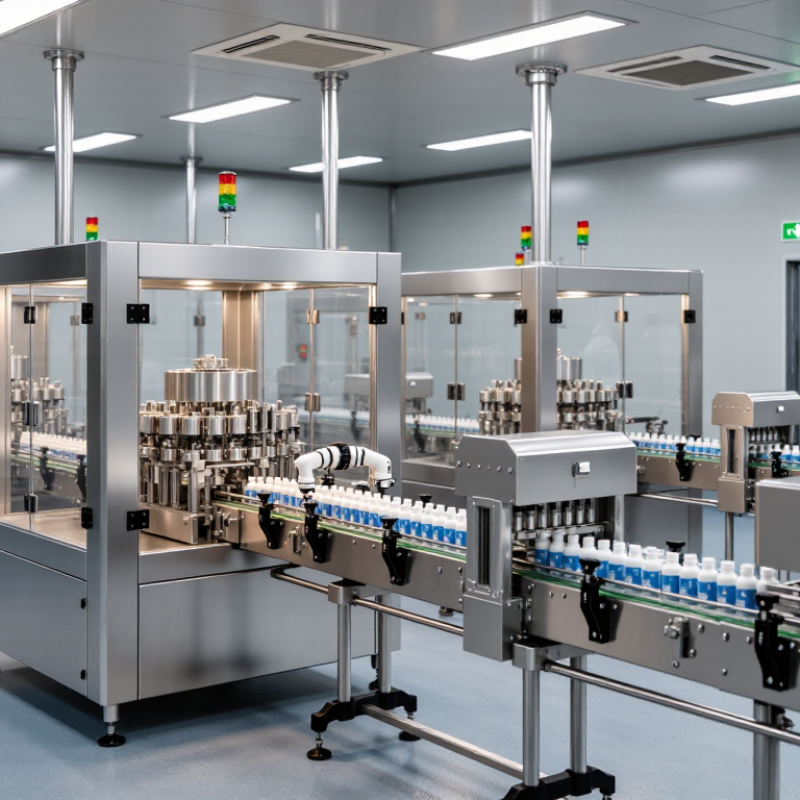
Capsule Packaging Machines: Formats, Functions, and Key Components
Capsule packaging machines handle several formats: blister packs, bottles, and, in some lines, strip packs. Blister systems form cavities from film, place capsules, then seal them with lidding material. Bottle lines orient capsules, count them, and add caps or desiccants. Each format creates different demands. Blisters need consistent sealing pressure; bottles need accurate counts and gentle transfer. Small details matter.
A typical line may include a hopper, orienting feeder, dosing or counting unit, conveyor, sealer, and inspection station. Sensors can detect jams or missing capsules, while vision systems check seals and label placement. Operators should examine changeover time, cleaning access, and reject handling—not just rated speed. A neat speed figure can mislead. Actual output depends on capsule shape, pack format, and stoppages; I would verify it using representative product trials.
The wider market gives useful context, though it is not a machine-market measure. MarketsandMarkets’ 2023 Pharmaceutical Packaging Market report valued that market at about US$134.8 billion in 2023 and forecast US$202 billion by 2028. That scale reflects varied packaging needs, not a guarantee of demand for any single format. For buyers, documented test results and clear component specifications are more useful than broad growth claims. Some setup assumptions still need questioning.
2026 Top Capsule Packaging Machine Manufacturers? - Capsule Packaging Machines: Formats, Functions, and Key Components
| Packaging Format | Machine Function | Key Components | Common Applications | Key Selection Considerations |
|---|---|---|---|---|
| Blister packs: thermoformed plastic with a lidding material | Forms cavities, places capsules into them, seals the lidding material, and cuts packs to size. | Forming station, product-feeding system, sealing station, web transport, cutting station, and controls. | Unit-dose pharmaceutical and nutraceutical products requiring individual cavities. | Capsule dimensions, cavity layout, barrier requirements, forming material, sealing compatibility, and changeover needs. |
| Alu-Alu blister packs | Forms cavities from cold-formable aluminium laminate, loads capsules, and seals with a lidding web. | Cold-forming station, capsule feeder, sealing station, web guides, and cutting station. | Products for which stronger moisture, oxygen, or light protection is required, subject to material and pack design. | Barrier target, laminate specification, pack dimensions, forming limits, and compatibility with the capsule format. |
| Capsules in bottles or jars | Counts or doses capsules into containers and may integrate closure, sealing, and labeling operations. | Capsule hopper, singulation or counting system, filling chute, container handling, capper, and optional sealer or labeler. | Retail, pharmacy, and bulk container packaging. | Capsule size and shape, target count, container opening, product handling, counting verification, and line integration. |
| Strip packs | Places capsules between flexible packaging webs, seals around product units, and separates the finished packs. | Product feeder, film unwind, forming or guiding components, heat-sealing jaws, web drive, and cutter. | Unit-dose packs where a compact, sealed format is appropriate for the product and packaging materials. | Film structure, seal integrity, capsule orientation, pack dimensions, and protection needs. |
| Cartons for pre-packed blister or strip units | Groups primary packs, inserts them into cartons, and closes or codes the cartons. | Carton magazine, carton erector, product or leaflet feeder, insertion mechanism, closure station, and coder. | Secondary packaging for blister cards, strips, and other prepared unit-dose packs. | Primary-pack dimensions, carton style, leaflet requirements, coding needs, and synchronization with the upstream line. |
| Integrated packaging line | Connects product feeding, primary packaging, inspection, and downstream handling into a coordinated process. | Feeders, packaging machine, sensors, reject mechanism, conveyors, control system, and optional checkweigher or vision inspection. | Production operations requiring coordinated transfer between packaging stages. | Required output, available floor space, product changeovers, inspection requirements, data recording, and cleaning procedures. |
Note: Machine configuration, production rate, and achievable pack quality depend on capsule characteristics, packaging materials, pack design, and operating conditions. Confirm specifications through product trials and the intended packaging-material supplier.
Related Posts
-
Why Choose a Capsule Packaging Machine?
-

Top Capsule Filling Plate Manufacturers for Global Buyers
-
How to Choose a Capsule Packaging Machine?
-
How to Choose a Blister Machine for Pharma Packaging?
-

Common Issues Faced by Businesses When Choosing Capsule Packaging Machines
-
Top 10 Capsules Filling Machines You Need to Know About?