
Blog
Top Tablet Press Machine Manufacturers for Global Buyers
Choosing a tablet press supplier is not just a price comparison. A Tablets Press Machine must deliver consistent tablet weight, hardness, and output across real production shifts. IQVIA Institute’s The Global Use of Medicines 2024: Outlook to 2028 projects that global medicine spending will exceed $2.3 trillion by 2028. That forecast signals continued demand, but it does not guarantee growth for every equipment maker. Buyers still need evidence: machine specifications, service coverage, and documented performance on comparable products. Small details matter.
This guide compares manufacturers through practical criteria, including compression force, turret speed, tooling options, changeover time, and access to spare parts. A polished brochure is useful. A witnessed factory test is better. Ask how the supplier controls tablet weight variation, supports installation, and trains operators. Also check whether the proposed configuration fits your batch sizes and facility constraints. No shortlist is perfect; published specifications may not reflect your formulation or working conditions. Treat claims as starting points, then verify them with technical documents and clear acceptance criteria. The right manufacturer should explain both what the press can do and where its limits begin.
What Tablet Press Machines Do and Where They Are Used
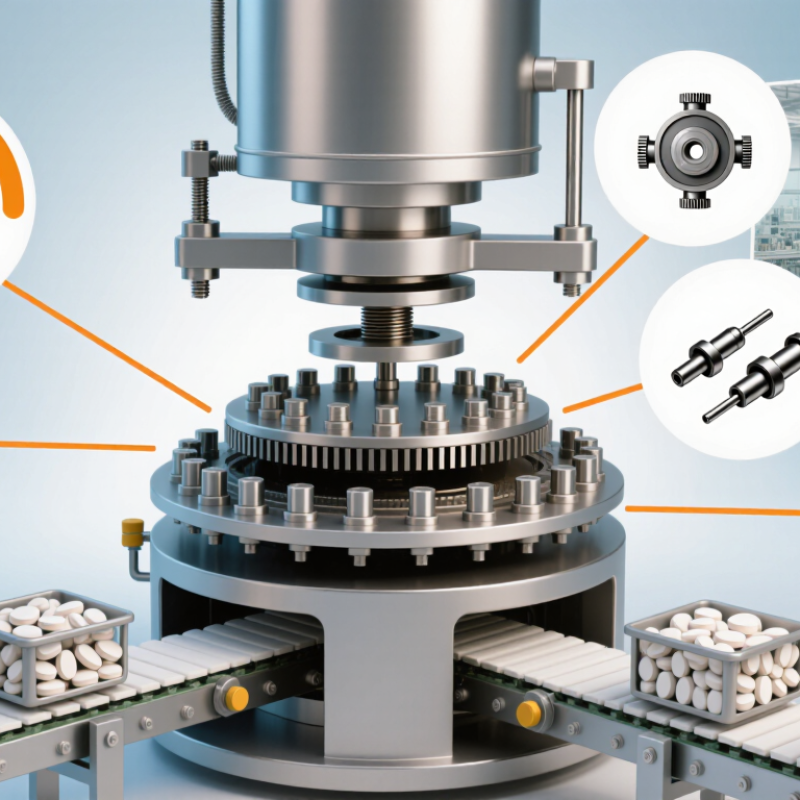
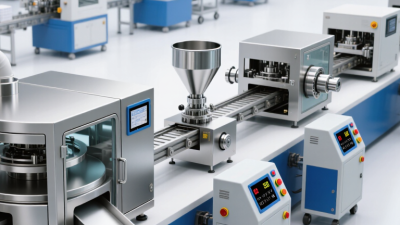
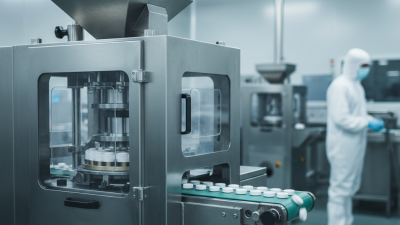
A tablet press machine turns a measured blend of powder or granules into compact, repeatable tablets. A feeder fills each die, then upper and lower punches apply controlled force. Ejection follows. The sequence is fast, but small changes in moisture, particle size, or fill depth can affect tablet weight and strength. The process looks simple. It is not.
These machines are widely used in pharmaceutical production, where tablets must meet defined quality checks. They also serve nutraceutical makers and manufacturers of items such as detergent and water-treatment tablets. Production lines may use single-punch presses for small batches or rotary presses with multiple stations for higher output. Operators monitor compression force, tablet thickness, and weight. A press cannot fix a poorly prepared blend; that point is easy to overlook.
Demand makes reliable production equipment important. The IQVIA Institute’s Global Use of Medicines 2024 report projects worldwide medicine spending will exceed $2.3 trillion by 2028. Spending is not a direct measure of tablet volume, but it signals the scale of global medicine supply. For buyers, practical evaluation should include changeover time, tooling access, dust control, and the quality of process records. A fast machine can still create slow work if cleaning and setup are difficult.
Key Criteria for Evaluating Tablet Press Machine Manufacturers
A tablet press machine manufacturer should be evaluated by how well its equipment fits your product, output targets, and production environment. Check the machine’s compression range, tooling compatibility, turret speed, and adjustment controls. Ask for test runs using representative materials, not just demonstration settings. Watch how operators change tooling and clean product-contact areas. These steps can reveal practical issues that a specification sheet may miss.
Assess quality controls and support as carefully as machine performance. Request clear information on inspection procedures, component traceability, installation, training, and spare-parts availability. Review sample documentation, such as operating and maintenance manuals, for completeness and clarity. Ask how service requests are handled and what response times are realistic for your region. A polished presentation is useful, but it does not prove dependable after-sales support. No evaluation is perfect; record unanswered questions rather than assuming they will resolve themselves.
Tips: Compare the same test criteria across manufacturers. Note setup time, tablet consistency, noise, and access for cleaning. Ask for references from similar production environments, then verify the details directly.
Leading Tablet Press Machine Manufacturers for Global Buyers
Leading tablet press machine manufacturers for global buyers stand out through process control, documented testing, and dependable service—not just high output claims. Grand View Research estimated the global pharmaceutical manufacturing market at USD 534.6 billion in 2023, with projected growth of 7.4% annually from 2024 to 2030. This is not a tablet-press forecast, but it signals expanding investment in production capacity. Buyers should ask manufacturers for batch records, changeover times, compression-force controls, and support response times. Small details matter. A feeder that handles a formulation poorly can cause weight variation, even on a fast machine.
Compare presses using your own product characteristics and target batch size. Request a factory acceptance test with representative tooling, then check tablet weight, thickness, hardness, and rejection records. Ask how the manufacturer manages punch wear, dust extraction, and spare-part supply across regions. Data sheets rarely reveal every limitation. A machine may meet its rated speed only under ideal conditions, so confirm performance at your actual operating range. No single specification fits every plant.
Tips: Bring sample powder and tooling to trials. Record setup time and rejected tablets, not only peak output. Verify operator training, remote diagnostics, and local service coverage before purchase. A lower price can become expensive when a critical spare takes weeks to arrive.
Tablet Press Types: Minimum Compression Stations
A practical architecture comparison for global buyers evaluating tablet press equipment. The rotary-press value shows the minimum implied by “multi-station”; actual machines have more stations, depending on the model.
How Manufacturers Compare in Technology, Capacity, and Support
Tablet press manufacturers differ in more than quoted output. Buyers should compare machine design, control systems, and how clearly performance data is documented. A rotary press with force monitoring can help operators spot variation during a run, while accessible tooling and straightforward changeovers may reduce downtime. Useful details include recorded compression-force ranges, alarm functions, and the time needed to clean product-contact parts.
Capacity figures need context. A machine’s stated maximum may assume a particular tablet diameter, thickness, and material flow. Ask for trial results using representative product characteristics, and check whether the proposed feeder can handle the expected flow. Real production also includes setup, sampling, and changeovers. Numbers can mislead.
Support matters after installation. Review the availability of wear parts, operator training, maintenance instructions, and remote or on-site service. Ask how quickly common components can be supplied, and whether manuals include practical troubleshooting steps. A polished demonstration is helpful, but it cannot replace a clear service plan. Buyers should also confirm which acceptance tests are included and who documents them. One detail is easy to overlook: a technically capable press may still be a poor fit if local technicians lack training. Comparing these points gives purchasing teams a more grounded view of technology, capacity, and support.
Top Tablet Press Machine Manufacturers for Global Buyers - How Manufacturers Compare in Technology, Capacity, and Support
A comparison of common tablet-press supplier profiles. These profiles are illustrative market segments, not named or ranked manufacturers.
| Comparison area | Compact / entry-level specialist | Mainstream production supplier | High-speed / integrated-line supplier |
|---|---|---|---|
| Typical application | Laboratory development, pilot batches, and lower-volume production | Routine commercial production across a range of batch sizes | High-volume production and equipment integrated into automated lines |
| Common press configuration | Single-punch or compact rotary press; manual or basic controls | Rotary press with production tooling and adjustable operating settings | High-speed rotary press, often with automated feeding and downstream interfaces |
| Indicative output range | Approximately 10,000–100,000 tablets per hour for rotary models | Approximately 100,000–500,000 tablets per hour | Approximately 500,000–1,000,000+ tablets per hour on suitable configurations |
| Technology and process control | Basic speed and compression adjustments; monitoring options depend on model | More extensive process monitoring; options may include force monitoring and automatic weight control | Advanced monitoring and automation options; system integration and data features vary by model |
| Changeover and cleaning | Generally simpler equipment; changeover time depends on design and tooling | May offer quick-change parts and easier-access areas; confirm cleaning procedures | May include enhanced access, containment, or automated cleaning options; verify the supplied scope |
| Documentation and compliance support | Request manuals, material details, and the available inspection records | Confirm documentation package, qualification support, and applicable regional requirements | Agree on documentation, qualification deliverables, data requirements, and integration responsibilities |
| Service and spare parts | Check local service access, training availability, and spare-parts lead times | Compare installation, operator training, maintenance support, and parts availability | Request a written service plan, response-time commitments, and support for connected equipment |
| Best-fit buyer priority | Lower initial investment, development flexibility, and a smaller production footprint | A balance of throughput, flexibility, and service requirements | High output, automation, and clearly defined integration and lifecycle support |
Note: Output figures are broad indicative ranges, not guaranteed ratings. Actual production depends on press design, tooling, tablet size and shape, formulation characteristics, operating speed, and product-quality limits. Request a product-specific capacity test and written service commitments before purchase.
How to Verify Suppliers and Plan a Global Purchase
Top Tablet Press Machine Manufacturers for Global Buyers
How to Verify Suppliers and Plan a Global Purchase
A supplier’s catalog is only a starting point. Request a current equipment specification, tooling details, contact-material list, and maintenance schedule. Check whether the quality certificate is valid with its issuing body; ISO 9001 alone does not prove a machine meets your process needs. Ask for a live factory acceptance test, recorded with sample tablets, operating settings, and a signed checklist. Small details matter. A polished video cannot replace test records.
Plan delivery as carefully as machine performance. The World Bank’s 2023 Logistics Performance Index reports a median 3.8 days from port arrival to release across surveyed economies. This is a broad benchmark, not a guaranteed clearance time for your shipment. Confirm the agreed delivery term, crate dimensions, electrical requirements, manuals, spare parts, and who handles installation. Build in time for customs and commissioning. I would still allow extra days; paperwork can stall even a well-planned purchase.
Tips: Ask for references from buyers using similar tablet sizes and production volumes. Compare the written scope against the quotation, line by line. Keep one unresolved question visible rather than assuming it will sort itself out.
Related Posts
-
China Top 10 Tableting Machine Manufacturers for Buyers?
-
Ultimate Guide to Choosing the Best Tablets Press Machine for Your Production Needs
-

Top Tablet Press Machines for Global Buyers in 2026?
-
Top Features of the Best Tablet Press for Global Buyers?
-
2026 Top Tablet Presser Types for Global Buyers?
-
What is a Tablets Press Machine and How Does It Work?