Top Features of the Best Tablet Press for Global Buyers?
In today's fast-paced pharmaceutical and nutraceutical industries, selecting the right Tablet Press becomes crucial. Dr. Emily Carter, a leading expert in tablet formulation technology, once stated, "The right Tablet Press can significantly enhance production efficiency and product quality." This highlights the importance of understanding the features of these machines, especially for global buyers seeking optimal performance.
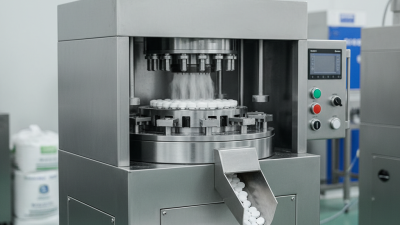
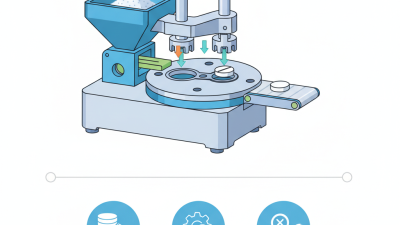
Tablet Presses are not just machines; they are the backbone of many manufacturing processes. They compact powdered materials into tablets with precision. Buyers must consider factors like output rate, die size, and ease of cleaning when evaluating options. However, it's common to overlook maintenance needs, which can affect long-term reliability.
Moreover, the variety of options on the market can be overwhelming. Some Tablet Presses are designed for high-speed production, while others focus on small batch sizes. Buyers frequently need to reflect on their specific requirements—balancing between quality and efficiency remains a challenge. Understanding these features leads to better investment choices for manufacturers worldwide.
Top Features of the Best Tablet Press for Global Buyers
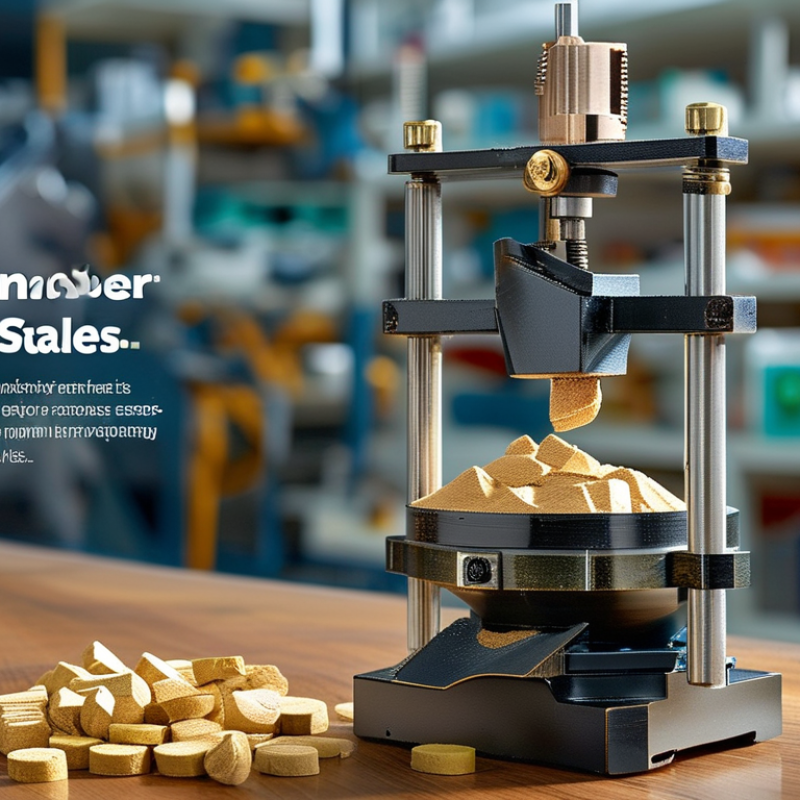
When selecting the best tablet press, global buyers should focus on several essential features. The ability to adjust pressure settings is crucial. This ensures that tablets are compressed to the right density. Different materials require different pressures. A versatile machine should accommodate variations easily.
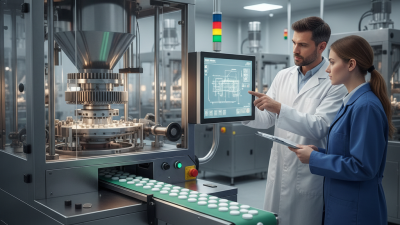
Another important feature is the ease of operation. A user-friendly interface is necessary for efficiency. Operators should not struggle with complicated controls. Even less experienced technicians must feel confident using the device. Some machines offer touchscreen controls, enhancing usability.
Durability and maintenance also matter greatly. A robust design will withstand frequent use without frequent repairs. Regular maintenance schedules should be easy to follow. Machines that provide clear guidance for maintenance save time and costs. This attention to detail can prevent unexpected downtimes. Reflecting on initial production experiences can lead to improvements in these areas. Overall, understanding these features greatly enhances the selection process for tablet presses.
Key Specifications to Consider in Tablet Presses
When selecting a tablet press, several key specifications are crucial. The punch and die design significantly influence tablet formation. Different shapes and sizes can impact the tablet's release properties and overall efficacy. Consider the compression force, as this affects the density and hardness of the tablets produced.
Operational capacity is another important factor. Higher capacity tablet presses can increase production rates. However, balancing this with control over the quality of the tablets is essential. Some operators overlook the importance of maintaining a clean production environment. A clean workspace ensures the avoidance of contamination.
Tips: Pay close attention to maintenance guidelines. Regular checks can prevent costly downtime. Additionally, invest in staff training to ensure proper machine handling. Knowledge of the equipment can directly enhance product quality. Remember, small details often make a significant difference in production consistency.
Industry Standards for Tablet Compression and Production Rates
When considering tablet compression in the pharmaceutical industry, various standards come into play. Tablet presses must consistently meet specific production rates. This ensures efficiency and quality in manufacturing. Compression force is crucial; it directly affects tablet hardness and disintegration time. Each type of tablet may require different settings, and operators must be skilled to adjust them accordingly.
Additionally, monitoring equipment uptime represents another industry standard. A reliable tablet press minimizes downtime. This factor influences production efficiency significantly. Adjustment for varying formulations can be challenging. Maintenance routines should consider this aspect to ensure optimal performance. Regular training for operators reinforces these standards.
Moreover, tablets must meet stringent quality criteria. This involves thorough testing for dosage uniformity and stability. However, achieving these standards isn’t always straightforward. Variations in raw materials can impact the outcome. Manufacturers must be ready to adapt and refine their processes continually. Monitoring production rates without compromising quality is a delicate balance. It requires ongoing expertise in the field.
Top Features of the Best Tablet Press for Global Buyers
This chart displays the top features of the best tablet presses as ranked by global buyers, indicating the importance level on a scale of 1 to 10. Key features include Compression Force, Production Rate, Tablet Thickness, Die Maintenance, and Ease of Use.
Comparative Analysis of Popular Tablet Press Brands
In a competitive market, selecting the right tablet press is crucial. Various brands offer unique features that cater to specific needs. Some emphasize speed, while others focus on precision. Understanding these differences is the key to making informed choices.
Popular tablet presses often include automation features. Automated feeding systems can enhance efficiency. They minimize manual labor, yet sometimes they may lead to oversights in quality control. Users often report mixed experiences with adjustments and calibrations.
Another important feature is user-friendliness. A well-designed control interface can save time. However, some brands still struggle with complex operations, leaving users confused. Maintenance is also an area where many manufacturers need improvement. Regular upkeep can be cumbersome, and users sometimes feel overwhelmed by inconsistent guidelines.
Top Features of the Best Tablet Press for Global Buyers
| Feature |
Description |
Importance |
User Rating (1-5) |
| High Precision |
Ensures consistent tablet weight and size |
Critical for dosage accuracy |
4.8 |
| Ease of Operation |
Simple controls and settings for users |
Improves operational efficiency |
4.6 |
| Durability |
Built with high-quality materials to withstand wear |
Reduces long-term operational costs |
4.7 |
| Versatility |
Able to produce various tablet shapes and sizes |
Attracts a wider range of customers |
4.5 |
| Safety Features |
Emergency shut-off and protective barriers |
Essential for user safety |
4.9 |
Role of Automation and Technology in Tablet Press Efficiency
In the pharmaceutical industry, automation is revolutionizing tablet press efficiency. Recent studies indicate that automation can enhance production rates by up to 30%. Automated systems reduce human error, ensuring consistent quality. This technology allows for real-time data monitoring, enabling immediate adjustments to maintain output.
Moreover, advancements in tablet press design have enabled more precise control over parameters such as pressure and speed. The integration of smart sensors can track material characteristics, adapting processes on the fly. This capability helps mitigate waste and increase yield, which is paramount when considering material costs.
However, the transition to fully automated systems poses challenges. Staff must adapt to new technologies and processes, which requires extensive training. Shortages in skilled labor can hinder this transition, leading to inefficiencies. Companies must weigh the benefits of automation against the potential risks of implementation struggles. Balancing these factors is crucial for maintaining competitiveness in a fast-evolving market.
Conclusion
The article "Top Features of the Best Tablet Press for Global Buyers" explores essential attributes that prospective buyers should consider when investing in tablet presses. Key specifications such as compression force, production capacity, and versatility are crucial for ensuring optimal performance in tablet production. Furthermore, compliance with industry standards plays a significant role in maintaining quality and efficiency, making it necessary for buyers to familiarize themselves with these guidelines.
An analysis of the latest trends in automation and technology highlights their contribution to the efficiency of tablet presses, enabling smoother operations and improved output rates. Additionally, maintenance and support services are emphasized as critical components for sustaining performance and minimizing downtime. By understanding these facets, global buyers can make informed decisions in selecting the most suitable tablet press for their production needs, ultimately leading to enhanced productivity and product quality.