How to Choose the Best Powder Milk Mixer for Your Needs?
In the food processing industry, choosing the right equipment is crucial. A quality Powder Milk Mixer can significantly impact product consistency and quality. Research by the Food and Beverage Equipment Association indicates that improper mixing can lead to product waste and inconsistencies.
When selecting a Powder Milk Mixer, consider your specific needs. Different mixers offer various capabilities, such as capacity and speed. A mixer well-suited for small batches might not fulfill large-scale production demands. Recent statistics show that 30% of manufacturers report inefficiencies due to inadequate mixing technology. These inefficiencies can lead to increased costs and unsatisfied customers.
It's important to reflect on the long-term implications of your choice. A high-quality mixer can enhance operational efficiency and product quality. However, balancing cost and performance is essential. Investing in a reputable Powder Milk Mixer can be a game-changer. Make informed decisions based on your business needs and industry standards.
Understanding Your Mixing Needs for Powdered Milk
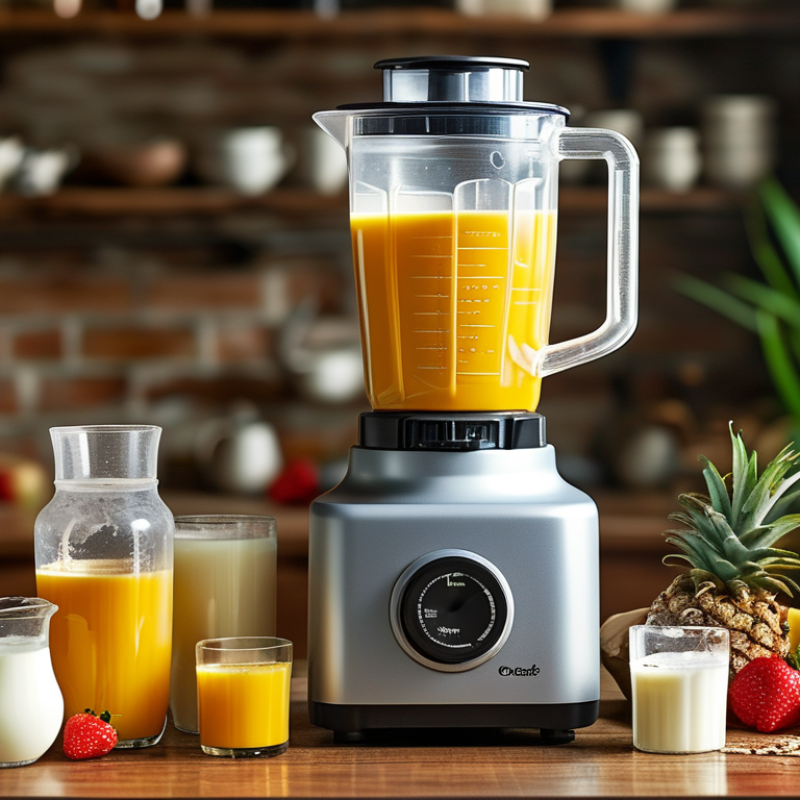
When considering which powder milk mixer is best for you, it's essential to understand your specific mixing needs. Different recipes call for varied consistencies and textures. For instance, a mixer that excels at blending a thick protein powder may not work well for lighter powdered milk. Think about the types of milk powders you will use most often. Will you blend for infants, baking, or protein shakes? Each has unique requirements.
Consider the scale of use as well. If you blend small batches daily, a compact mixer might suit you well. However, larger operations may require a more robust model. Evaluate the materials of the mixer as well. Durable, easy-to-clean surfaces are crucial for maintaining hygiene. Precision in mixing is also a consideration. Some mixers offer settings for speed and duration. Reflect on how often you'll need to make adjustments. An intuitive design can save time in busy kitchens.
Lastly, always think about the maintenance of your chosen mixer. Some require more attention than others. Can you easily access parts for cleaning? Will you be able to fix simple issues when they arise? These questions will direct you toward a mixer that best meets your mixing needs while ensuring reliability and ease of use.
Types of Powder Milk Mixers Available in the Market
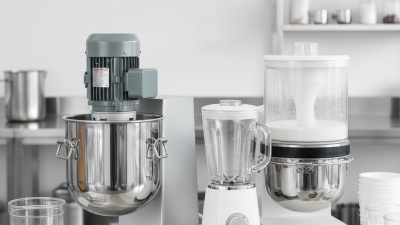
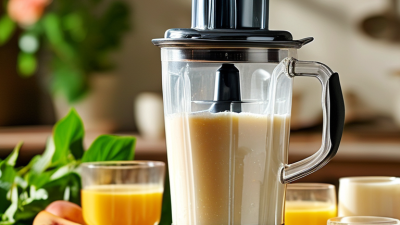
When selecting a powder milk mixer, understanding the types available is crucial. Various designs meet different needs. On the market, you will find handheld mixers, countertop models, and industrial mixers. Each type offers unique advantages. Handheld mixers are portable and ideal for small batches. They allow for easy storage and cleaning. Countertop models, on the other hand, provide more power and capacity for larger quantities. They often have features like multiple speed settings.
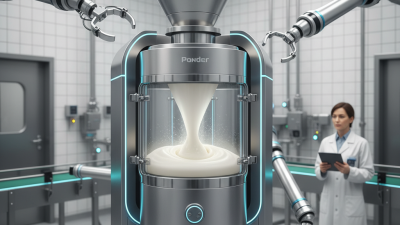
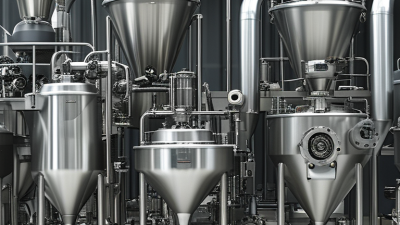
Industrial mixers cater to businesses with high demands. These mixers can blend large volumes quickly and efficiently, making them suitable for commercial use. They often come with robust motors and advanced mixing technology. However, they require more space and investment. A potential downside is the noise level—they can be quite loud during operation.
Consider your specific needs before making a choice. If you have limited space, a handheld model may suffice. However, if you blend frequently and in larger amounts, investing in a countertop or industrial mixer is wise. Evaluate your mixing volume, frequency, and desired texture. This will help ensure the mixer you choose meets your expectations and enhances your mixing experience.
Key Features to Look for in a Powder Milk Mixer
When selecting a powder milk mixer, several key features come into play. A crucial aspect is the mixing capacity. Often, mixers with a larger capacity cater to higher volume needs, crucial for commercial use. According to the International Dairy Federation, the demand for powdered dairy products has risen by over 20% in recent years. A larger mixer can ensure efficiency during peak production times.
Another significant feature is the mixer’s speed settings. Variable speed options allow for better control over the mixing process. This can help achieve the desired consistency. Data from a 2022 market research report shows that mixers with multiple speed settings have a 30% higher user satisfaction rate. These features can enhance product quality and reduce clumping, which is essential in powdered milk production.
Durability also plays a role. A reliable mixer should withstand high-frequency use. Stainless steel components are preferable. They resist corrosion and ensure a longer lifecycle. However, many users overlook the importance of material strength until faced with degradation issues. It’s essential to weigh initial costs against potential long-term savings from durable options.
Comparing Prices and Brands of Powder Milk Mixers
When searching for a powder milk mixer, price comparison is crucial. Prices vary significantly across different brands. Some high-end options might offer advanced features, while budget-friendly mixers may lack certain functionalities. Evaluating how much you are willing to invest is essential. Set a budget that matches both your needs and the mixer’s capabilities.
In addition to price, explore various brands and their reputations. Some brands have established authority in kitchen appliances. They are known for reliability and performance. Others may be newer or less recognized, potentially offering good value but with mixed reviews. Reading user feedback can provide insights into durability and effectiveness. Some mixers may struggle with clumping, while others excel in smooth consistency.
Ultimately, balancing cost and quality requires careful thought. A cheap option might save money initially but may lead to frustration over time. On the other hand, spending more does not always guarantee satisfaction. Take your time to reflect on your specific needs and gather all necessary information. This approach will help you make a well-informed decision.
Maintenance and Care Tips for Your Powder Milk Mixer
Proper maintenance of your powder milk mixer is crucial for longevity and efficiency. Regular cleaning prevents residue buildup, which can affect performance. After each use, disassemble the mixer and wash parts in warm, soapy water. Avoid abrasive materials that may scratch surfaces. Rinse thoroughly to eliminate soap remnants.
Additionally, inspect the mixer frequently for signs of wear. Check the motor and the mixing blades. Ensure they spin freely without obstruction. Any unusual sounds should be addressed immediately. Over time, some parts may need replacement. It’s wise to refer to the user manual for specific maintenance guidelines tailored to your model.
Storing your mixer properly can also enhance its lifespan. Keep it in a dry, cool place away from moisture. Humidity can lead to rust and mold growth. Consider placing it inside its original box or covering it to shield from dust. Neglecting these aspects can lead to unexpected breakdowns. Remember, consistent care shapes a reliable mixer experience.