
Leave Your Message
Blog

Blog

Top 10 Types of Tablet Pressers for Global Buyers

Tablet pressers sit at the center of solid-dose manufacturing, where powder flow, compression force, and tooling accuracy shape every tablet. Global buyers now face more than a simple capacity decision. They must match machine design with product sensitivity, batch size, operator skill, cleaning requirements, and regulatory expectations.

The IQVIA Institute’s Global Use of Medicines 2024 report projects worldwide medicine spending to reach approximately $2.3 trillion by 2028. That expansion increases pressure on manufacturers to improve output without weakening quality control. A modern Tablet Presser may offer higher turret speeds, automatic weight control, closed feeding, and process monitoring. Yet speed alone does not guarantee reliable production. It can amplify segregation, heat, dust, or tooling wear.

Small details matter.

A practical comparison should examine eccentric, rotary, bilayer, multilayer, effervescent, and high-containment designs. It should also consider compression-force ranges, feeder performance, changeover time, punch compatibility, and data integrity. The FDA’s current good manufacturing practice expectations place strong emphasis on documented controls, validation, equipment maintenance, and consistent product quality. These requirements influence purchasing decisions as much as brochure specifications.

This guide presents ten important types of tablet pressers for international buyers. It connects machine architecture with real production conditions, including humidity, material variability, cleaning access, and service support. The categories are useful, but no ranking fits every plant. A faster machine is not automatically the better machine. Buyer priorities can change after a factory trial, and that possibility deserves honest attention.
Top 10 Types of Tablet Pressers for Global Buyers

Tablet Pressers: Definition, Purpose, and Core Components

Tablet pressers are machines that compress measured powder into consistent tablets. They support pharmaceutical, nutraceutical, and approved industrial production. A press controls weight, thickness, hardness, and output through coordinated compression. According to the European Medicines Agency, solid oral dosage products remain among the most widely used medicine formats. Market research from Grand View Research also places tablet press equipment within a growing global pharmaceutical machinery sector. The figures vary by report, partly because suppliers classify equipment differently.

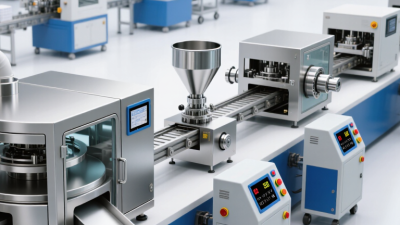
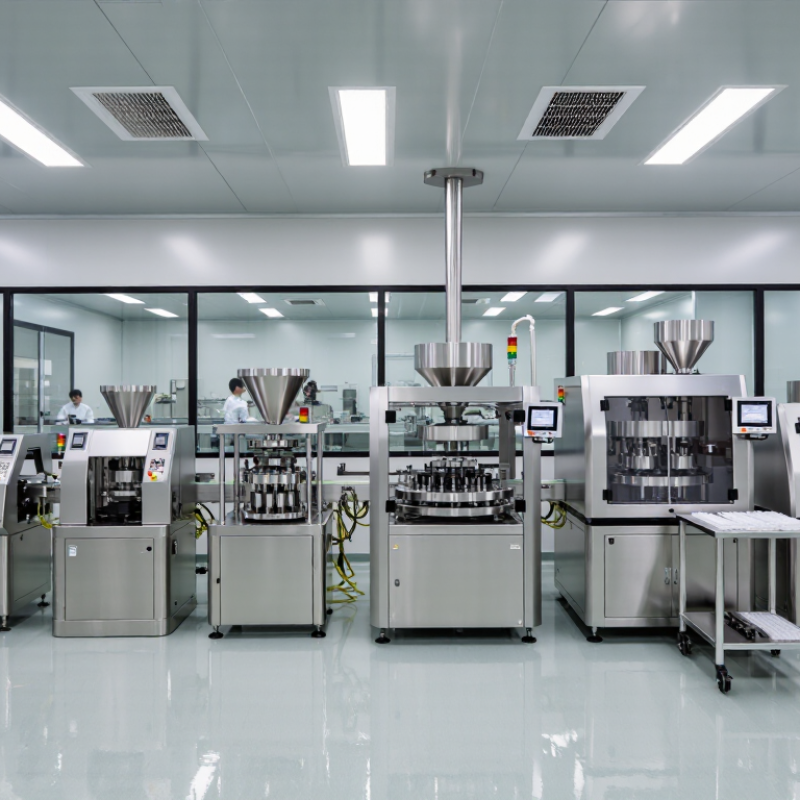
The core components include the hopper, feeder, dies, punches, turret, compression rollers, and discharge chute. The hopper stores powder above the feeding system. The feeder guides material into each die cavity. Punches then compress the powder between two surfaces. In rotary presses, multiple stations move around a turret, increasing production speed. Single-punch machines use one station and suit development work or smaller batches. They are slower, but easier to observe and adjust.

Compression force needs careful control. Excessive force can create capped tablets, while weak force may cause friability. Modern equipment often records force, speed, fill depth, and tablet weight for process review. A 2023 report from the International Society for Pharmaceutical Engineering stresses data integrity, cleaning access, and repeatable process control in modern manufacturing. In practice, specifications can look impressive while poor powder flow causes unstable filling. That lesson is easy to miss. Operators should test tooling wear, feeder performance, dust control, and cleaning time before comparing headline output.

How Tablet Pressers Work from Powder Feeding to Tablet Ejection

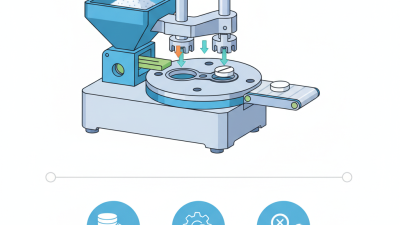
Tablet pressers convert measured powder into uniform tablets through a controlled sequence. The process starts inside the hopper, where gravity or an assisted feeder moves powder toward the die table. A rotary press uses several punch-and-die stations, while a single-punch press completes one tablet cycle at a time.

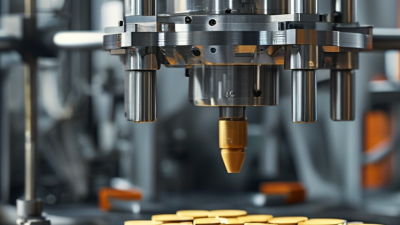
The lower punch sets the fill depth inside each die. This depth controls tablet weight, but powder flow can change it. A precompression stage removes trapped air and improves powder packing. Main compression then applies higher force through the upper and lower punches. Pressure, dwell time, and punch alignment affect hardness, thickness, and friability. Small adjustments matter.

After compression, the lower punch rises and pushes the tablet above the die surface. A take-off blade guides it into a collection container. Bilayer, multilayer, and high-speed rotary presses follow the same basic path, with added feeding or compression stations. In production trials, the feed may look stable while tablet weight still drifts. That issue is easy to underestimate. Operators should check powder moisture, particle size, feeder speed, and tooling wear before changing compression force. A practical inspection includes tablet weight checks, visual edge inspection, and force-trend records. Not every powder behaves predictably. That is why buyers should compare press type, dosing accuracy, cleaning access, and control data under representative materials.

Top Ten Types of Tablet Pressers and Their Key Features

Top 10 Types of Tablet Pressers for Global Buyers

Top Ten Types of Tablet Pressers and Their Key Features

Single-punch presses suit small batches, teaching labs, and formulation trials. Eccentric presses offer simple tooling and straightforward maintenance. Rotary presses improve output through multiple punch stations. High-speed rotary models add automated feeding, force control, and in-process weight monitoring. Bilayer presses produce two distinct tablet layers with controlled compression. Multilayer presses support more complex release designs, but setup becomes demanding.

Effervescent presses require corrosion-resistant contact parts and careful moisture control. Chewable-tablet presses use gentler compression profiles and larger tooling options. Laboratory presses provide compact footprints and flexible adjustment for development work. Instrumented presses record compression force, displacement, and ejection behavior. These measurements help engineers identify sticking, capping, or inconsistent density before scale-up. That distinction is easy to miss.

The IQVIA Institute’s Global Use of Medicines 2024 report projects worldwide medicine spending could reach 2.3 trillion US dollars by 2028. WHO’s World Health Statistics 2023 report states that noncommunicable diseases cause about 74% of global deaths. These figures support continued demand for reliable solid-dose equipment, especially in high-volume production. Buyers should compare output, turret speed, tooling compatibility, containment, cleaning time, and data integration. I would not trust speed alone. A fast press with unstable weight control can create expensive rework. Actual powder behavior, operator skill, and maintenance discipline still decide performance.

Choosing the Right Tablet Presser for Different Production Needs

Choosing the right tablet presser depends on product size, output, formulation, and available operators.

A single-punch press suits laboratories and small batches. Rotary presses support steady commercial production.

High-speed models fit demanding output schedules. Bilayer and multilayer presses handle separated formulations.

Specialized presses can produce effervescent, chewable, or mini tablets.

A practical selection starts with the powder’s behavior. Test flowability, moisture, compressibility, and sticking risk before purchase. Measure the target tablet diameter and thickness.

Check compression force, turret speed, tooling options, and feeding stability. Cleaning access also matters, especially when products change frequently.

A larger machine is not automatically better. It may waste energy, space, and valuable material during setup. Production trials sometimes reveal problems that brochures do not show.

Tips:

Request a controlled trial with your actual formulation. Record weight variation, hardness, friability, and output rate.

Ask whether operators can adjust pressure without unsafe exposure. Review validation documents, maintenance support, spare-part access, and applicable GMP expectations.

Leave room for imperfect results. Early trials may require different tooling, slower speed, or revised granulation. That inconvenience can prevent costly failures later.

Global Buyer Considerations: Capacity, Compliance, Cost, and Support

Choosing among the top 10 types of tablet pressers requires more than comparing output numbers. Single-punch presses suit development and small batches, while rotary models support continuous production. High-speed machines may produce thousands of tablets per minute, but capacity depends on tablet size, formulation, tooling, and operator skill. Ask for verified test data, not only catalog figures.

Compliance must match the destination market and your facility. Check material certificates, guarding, dust-control design, electrical standards, and documentation quality. A machine should support cleaning validation and repeatable process control. Cost includes tooling, installation, training, spare parts, energy, and downtime. The lowest quotation can become expensive after six months. That lesson is easy to overlook.

Tips: Request a sample run using your formulation. Measure weight variation, hardness, and changeover time. Confirm remote and local support, response times, warranty limits, and spare-part availability. Ask whether technicians can train operators on-site. Review the service agreement carefully. Support matters during a failed batch or an unexpected alarm. No machine is perfect. Your risk assessment should admit that.

Top 10 Types of Tablet Pressers for Global Buyers - Global Buyer Considerations: Capacity, Compliance, Cost, and Support

No. Tablet Press Type Typical Production Capacity Typical Compression Force Best-Fit Applications Compliance Considerations Indicative Equipment Cost Support and Purchasing Priorities
1 Single-Punch Press Approximately 1,000–10,000 tablets/hour Approximately 5–50 kN Laboratory trials, education, small batches, formulation development, and low-volume nutraceutical production Confirm electrical safety, guarding, emergency-stop design, and documentation suitable for the destination market; GMP features may be limited on entry-level units About US$2,000–US$15,000 Prioritize simple tooling changes, operator training, spare punches and dies, and accessible maintenance parts
2 Rotary Tablet Press Approximately 20,000–300,000 tablets/hour, depending on tooling and turret speed Approximately 40–300 kN Commercial pharmaceutical, nutraceutical, confectionery, and industrial tablet production For regulated production, evaluate GMP design, dust control, product-contact materials, data integrity, validation documentation, and cleanability About US$25,000–US$250,000+ Check installation qualification support, tooling availability, preventive-maintenance plans, remote assistance, and local service coverage
3 High-Speed Rotary Press Approximately 200,000–1,000,000+ tablets/hour on high-output configurations Approximately 80–400 kN Large-scale pharmaceutical and high-volume nutraceutical manufacturing Assess process-control capability, compression-force monitoring, automatic rejection, containment, dust extraction, audit trails, and validation packages About US$150,000–US$600,000+ Total cost of ownership depends heavily on uptime, tooling life, automation, energy use, spare-part lead times, and qualified service engineers
4 Bilayer Tablet Press Approximately 30,000–200,000 tablets/hour Approximately 60–300 kN Fixed-dose combinations, separation of incompatible ingredients, controlled-release products, and layered confectionery Require layer-weight control, cross-contamination prevention, validated filling sequences, recipe management, and strong in-process monitoring About US$120,000–US$450,000+ Verify layer-registration performance, feeder compatibility, changeover procedures, commissioning support, and operator training
5 Multilayer Tablet Press Approximately 20,000–150,000 tablets/hour, depending on the number of layers Approximately 80–400 kN Complex release profiles, separation of incompatible formulations, and specialty pharmaceutical products Requires robust process validation, layer uniformity testing, electronic records where applicable, cleanability studies, and contamination-control procedures About US$200,000–US$700,000+ Select suppliers able to provide formulation trials, process-development support, advanced controls, and rapid troubleshooting
6 Effervescent Tablet Press Approximately 30,000–250,000 tablets/hour Approximately 40–250 kN Moisture-sensitive effervescent pharmaceutical, vitamin, mineral, and beverage tablets Pay particular attention to humidity control, corrosion-resistant product-contact parts, dust management, cleaning validation, and suitable packaging interfaces About US$60,000–US$300,000+ Evaluate sealed feed systems, dehumidification requirements, tooling protection, formulation trials, and technical guidance on capping and sticking
7 Chewable Tablet Press Approximately 30,000–250,000 tablets/hour Approximately 30–200 kN Chewable medicines, dietary supplements, veterinary products, and confectionery tablets Consider food or pharmaceutical contact-material requirements, allergen controls, cleanability, tablet-friability testing, and applicable GMP procedures About US$50,000–US$250,000+ Confirm low-force control, smooth tablet ejection, tooling for large or shaped tablets, dust extraction, and cleaning changeover time
8 Mini-Tablet Press Approximately 50,000–500,000 mini-tablets/hour, depending on tooling configuration Approximately 20–150 kN Pediatric and geriatric dosage forms, multiparticulate systems, capsules filled with mini-tablets, and precision research batches Requires tight control of weight variation, content uniformity, tooling alignment, dust containment, and validated sampling methods About US$80,000–US$350,000+ Review punch-and-die precision, feeder design, inspection capability, tooling replacement cost, and specialist technical support
9 Laboratory and R&D Rotary Press Approximately 5,000–80,000 tablets/hour Approximately 10–100 kN Formulation screening, scale-up studies, process development, and small clinical or pilot batches Look for calibrated force and displacement measurement, secure data export, documented maintenance, and materials appropriate for development laboratories About US$25,000–US$180,000 Prioritize flexible tooling, fast product changeover, data collection, technical application support, and compatibility with laboratory workflows
10 Industrial and Chemical Tablet Press Approximately 20,000–300,000 tablets/hour Approximately 50–500 kN Detergent blocks, catalysts, water-treatment products, fertilizers, ceramics, and other non-pharmaceutical materials Select guarding, electrical certification, dust and explosion-risk controls, corrosion resistance, and workplace-safety features according to local regulations About US$40,000–US$300,000+ Focus on high-force structural design, wear-resistant tooling, material compatibility, preventive maintenance, and availability of heavy-duty replacement parts

Note: Capacity, compression force, and equipment cost are indicative industry ranges for global purchasing comparisons. Actual performance and pricing vary with tablet size, formulation, tooling, turret speed, automation level, materials, documentation, installation, freight, taxes, and regional service requirements.