
Leave Your Message
Blog

Blog

China Top 10 Pharma Blister Machine Manufacturers

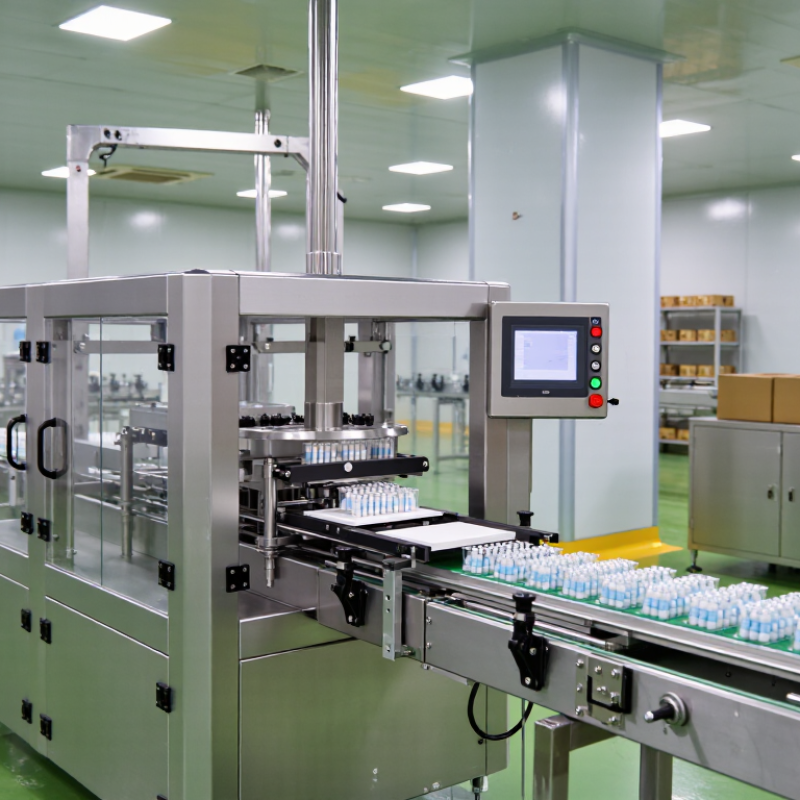
China’s pharmaceutical packaging sector is expanding with demand for safer, faster, and more traceable solid-dose production. Blister machine technology sits at the center of this shift. It forms cavities, feeds tablets, seals foil, prints codes, and cuts finished cards. Small errors matter. A weak seal can damage product protection. Poor feeding can increase waste.

Recent reports from Grand View Research, Fortune Business Insights, and Smithers identify pharmaceutical packaging growth, serialization, and patient-friendly formats as major industry drivers. Their findings also highlight automation, material efficiency, and quality control. These trends explain why buyers are studying China’s leading equipment suppliers. The best Blister Machine Pharma manufacturers must offer more than attractive prices. They should demonstrate stable output, accurate dosing, repeatable sealing, and responsive technical support.

This guide examines ten notable Chinese manufacturers through practical selection criteria. These include machine speed, forming depth, sealing pressure, changeover time, inspection systems, and compliance documentation. Factory experience also matters. A supplier should support factory acceptance testing, installation, validation, and operator training. Equipment should align with GMP expectations and applicable standards, including 21 CFR Part 211 where relevant.

No ranking is perfect.

Company strengths differ by model and application. Some suppliers excel at compact machines for small batches. Others focus on high-speed lines with cartoners and vision inspection. Buyers should verify current certifications, reference projects, spare-parts access, and lifecycle costs before deciding. Product brochures can look impressive. Production evidence is more valuable. This introduction provides a practical starting point for comparing China’s top pharma blister machine manufacturers with greater confidence.
China Top 10 Pharma Blister Machine Manufacturers

Pharmaceutical Blister Packaging: Purpose and Main Machine Types

China Top 10 Pharma Blister Machine Manufacturers

Pharmaceutical Blister Packaging: Purpose and Main Machine Types

Pharmaceutical blister packaging keeps individual doses separated and visible. Each tablet or capsule sits in its own formed cavity, covered by a sealed lidding material. This can help protect doses from moisture, handling, and contamination, depending on the materials and seal quality. The pack also makes it easier to notice a missing dose. It is useful, but not foolproof.

Two common forming methods are thermoforming and cold forming. Thermoforming heats plastic film and shapes it around a mould. Cold forming presses aluminium-based laminate into cavities without heat, creating a strong barrier but often a larger pack.

Machines may use platen or rotary forming stations. Platen systems work in indexed steps; rotary systems form packs around rotating tooling and may support higher output. Actual speed depends on the product, format, and setup.

Tips: Match the barrier material to the product’s sensitivity, then test seals and cavity dimensions with real production samples. Ask operators to check changeover time, cleaning access, and rejected-pack causes. Speed matters, but it can mislead; a fast line is not helpful if it produces inconsistent seals.

Criteria for Evaluating Chinese Blister Machine Manufacturers

When assessing Chinese blister machine manufacturers, start with the product and process, not a polished catalog. Ask for rated output using your blister size, cavity layout, film, and forming material. A speed figure alone can mislead. If possible, observe an acceptance run with representative materials. Check seal consistency, registration, cutting edges, and changeover time over several cycles. Details matter. Request inspection records, calibration status, and sample packs from the configuration you plan to purchase. A short demonstration may hide stoppages. Ask what happens after eight hours, not just eight minutes.

Engineering support is equally practical. Confirm that drawings, electrical diagrams, manuals, and spare-parts lists match the delivered machine. Ask who handles installation, operator training, remote diagnostics, and service across time zones. Review safety interlocks, guarding, cleaning steps, and format changes. Compare warranty exclusions and wear-part lead times, not only the quoted price. Speak with users running similar products, while remembering that one reference is not proof. Still, gaps remain. Request a written acceptance protocol with measurable limits for output, rejects, and downtime. Some details may stay uncertain until production begins; record assumptions and agree on remedies before payment. The checklist is useful, but never complete.

Profiles of China’s Top 10 Pharma Blister Machine Manufacturers

Profiles of China’s top ten pharma blister machine manufacturers are most useful when they explain capabilities, not just machine specifications. A careful profile looks at forming, filling, sealing, and cutting as connected steps. It also asks how a supplier handles different cavity shapes, film widths, and production speeds. Small details matter. A clear description of changeover time or temperature control can be more helpful than a broad claim about efficiency.

The profiles should distinguish manufacturers by their engineering focus. One may offer flexible formats for smaller batches; another may build systems for longer production runs. Readers can compare feeding methods, inspection options, tooling support, and access to spare parts. For example, a practical assessment might ask how quickly an operator can replace a forming plate, or whether controls make adjustments easy to verify. These are tangible questions, not promises of performance.

A numbered list alone does not prove that one supplier is better than another. Buyers should check technical documents, request a demonstration, and confirm that a machine fits their materials and workflow. Some public profiles may omit service details or test conditions. That gap deserves attention. Even a polished brochure can leave important questions unanswered.

Key Technologies and Quality Standards in Blister Packaging

Reliable blister packaging depends on controlled heat, pressure, and sealing time. On a production floor, operators check forming depth, foil alignment, and cavity shape before a batch runs. Small details matter. A slightly uneven seal can weaken protection, even when the pack looks acceptable. In-process checks should include seal integrity, print legibility, and tablet or capsule presence. Vision systems can catch missing units, but they still need suitable settings and regular challenge tests.

Quality standards turn these checks into repeatable procedures. Pharmaceutical packaging operations commonly work under GMP principles, while ISO 15378 offers quality-system requirements for primary packaging materials used in medicinal products. These references support material control, traceability, and documented process checks; the applicable requirements depend on the product and market. Equipment qualification and process validation should examine temperature uniformity, forming consistency, and seal strength across realistic operating conditions. Records matter. They help teams investigate drift instead of relying on memory. Yet a validated process is not a permanent guarantee: tooling wears, material lots vary, and sensors can lose calibration. That is easy to overlook. A practical quality system therefore pairs written limits with routine maintenance, operator training, and review of actual production data.

Selected quality references, not a manufacturer ranking. The bars show the publication or edition year of each reference. Applicability depends on the product and process: EU GMP Annex 1 concerns sterile medicinal products, while ISO 14644-1 addresses cleanroom air cleanliness classification.

How to Choose a Manufacturer for Your Production Needs

Choosing a pharma blister machine manufacturer begins with your actual production brief, not a catalog headline. Define the blister size, cavity depth, pack material, target output, and expected changeover frequency. A line running one stable format has different needs from a facility switching products every shift. Small details matter. Ask how operators adjust forming temperature and sealing pressure, and how those settings are recorded. Request a demonstration using materials similar to yours.

Check more than maximum speed. Ask for sustained output with the intended pack, and clarify what causes stoppages during a typical run. Review cleaning access, tooling change time, reject handling, and the availability of wear parts. Ask for evidence. Useful evidence includes a sample batch record, machine test results, a clear layout, and references from installations with comparable requirements. A polished showroom is helpful, but it cannot show every maintenance problem.

Service deserves the same scrutiny as the machine. Confirm response times, remote troubleshooting options, training scope, and which spare parts should be kept on site. Discuss documentation and qualification support early, including what your internal team must supply. Compare the total cost of ownership, not just the purchase price. One point is easy to overlook: a technically capable machine may still be a poor fit if its controls or changeover steps are difficult for your operators. Ask them to review the proposed workflow before you commit.

China Top 10 Pharma Blister Machine Manufacturers - How to Choose a Manufacturer for Your Production Needs

Use this comparison checklist to assess manufacturers against your product, packaging materials, production targets, and qualification requirements. Machine capabilities and specifications vary by model; confirm them with documented tests and an agreed acceptance protocol.

No. Evaluation Dimension Production Requirement to Define What to Verify with the Manufacturer
1 Product and dosage-form fit Product dimensions, shape, fragility, and whether the product is a tablet, capsule, or another compatible solid dose. Run samples of the actual product through the proposed feeding system; check for breakage, misfeeds, and empty pockets.
2 Blister-pack format Pocket layout, cavity dimensions, web width, card dimensions, and required perforation or cutting pattern. Request approved tooling drawings and confirm that the format can be produced within the machine’s adjustment range.
3 Packaging-material compatibility Specify the forming and lidding materials, such as PVC or PVDC-coated forming film, aluminum lidding foil, or cold-form aluminum laminate, as applicable. Confirm material structure, thickness range, forming method, sealing compatibility, and supplier documentation. Not every machine handles every material.
4 Required output and operating speed Set the required saleable blisters per minute or per shift, including the product and format to be run. Compare guaranteed output under agreed test conditions, not just the machine’s maximum mechanical speed; define how rejects and stoppages are counted.
5 Feeding and product inspection Choose a feeding arrangement suited to product shape and required inspection, such as detection of missing or incorrectly placed units. Test detection and rejection using seeded defects. Confirm reject confirmation, reject-bin access, and how inspection results are recorded.
6 Changeover and tooling List the product and format changes expected per week or month, and identify which forming, sealing, and cutting parts require replacement. Time a changeover during a demonstration; check tool identification, adjustment repeatability, cleaning access, and spare-tool availability.
7 Sealing and pack integrity Define the required sealing process and acceptance criteria for seal appearance and package integrity. Agree on suitable test methods and limits for the product and material combination; verify results across the run, not only on a single sample.
8 Hygienic design and cleaning Define cleaning method, product-contact requirements, room conditions, and any restrictions on lubricants or exposed materials. Review material certificates where required, contact-part drawings, access for cleaning, and written cleaning instructions. Confirm suitability for the facility’s procedures.
9 Controls and qualification documents Specify control-system functions, alarms, recipe management, user access, and documentation needed for commissioning and qualification. Request the proposed document list, including operating manuals, drawings, component lists, and test protocols. Assess electronic-record controls only if they are in scope for your system.
10 Service, training, and lifecycle support Set expectations for installation, operator and maintenance training, response times, spare parts, and ongoing technical support. Obtain a written service scope, parts list with lead times, warranty terms, training plan, and escalation route before placing the order.

Selection tip: Compare manufacturers using the same product samples, packaging materials, format, and acceptance criteria. Record the agreed requirements in the technical specification and verify performance during the factory acceptance test.