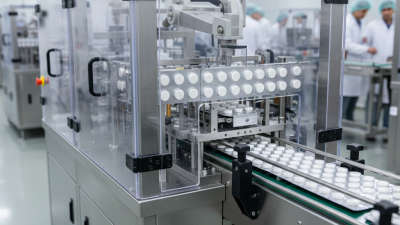
Why Choose a Blister Packing Machine for Your Business Needs?
In the competitive landscape of packaging, the choice of the right equipment is crucial. A Blister Packing Machine stands out due to its efficiency and versatility. According to industry reports, the global blister packaging market is projected to reach USD 3.01 billion by 2027, reflecting a steady growth trend. The rise in demand for pharmaceutical and consumer goods is a key driver behind this growth.
This machine offers superior protection for products, reducing damage during transport. Additionally, blister packing is efficient, often achieving speeds of 120 cycles per minute. While the initial investment might seem high, businesses see a return on efficiency and reduced waste. The adaptability of a Blister Packing Machine can also cater to various products, from tablets to small electronic components.
Using advanced technology, such machines enhance product visibility and branding. However, companies must consider maintenance and training costs. Some users have reported a learning curve associated with this technology. Therefore, understanding the long-term benefits and challenges is essential in making an informed decision. The reliability of a Blister Packing Machine, coupled with its future-ready features, supports businesses in meeting modern packaging demands.
Benefits of Blister Packing Machines for Efficient Packaging
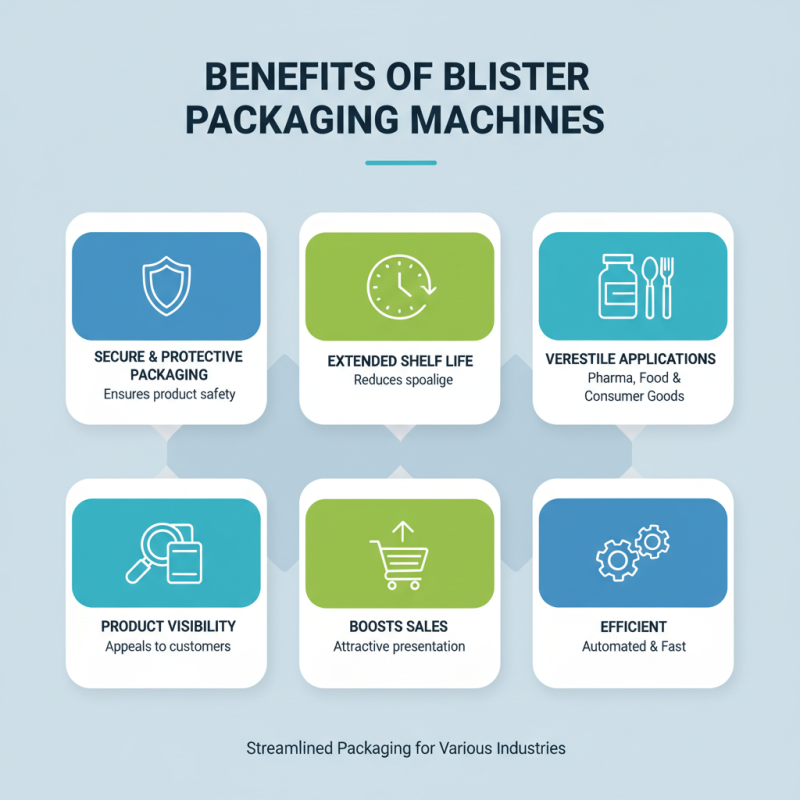
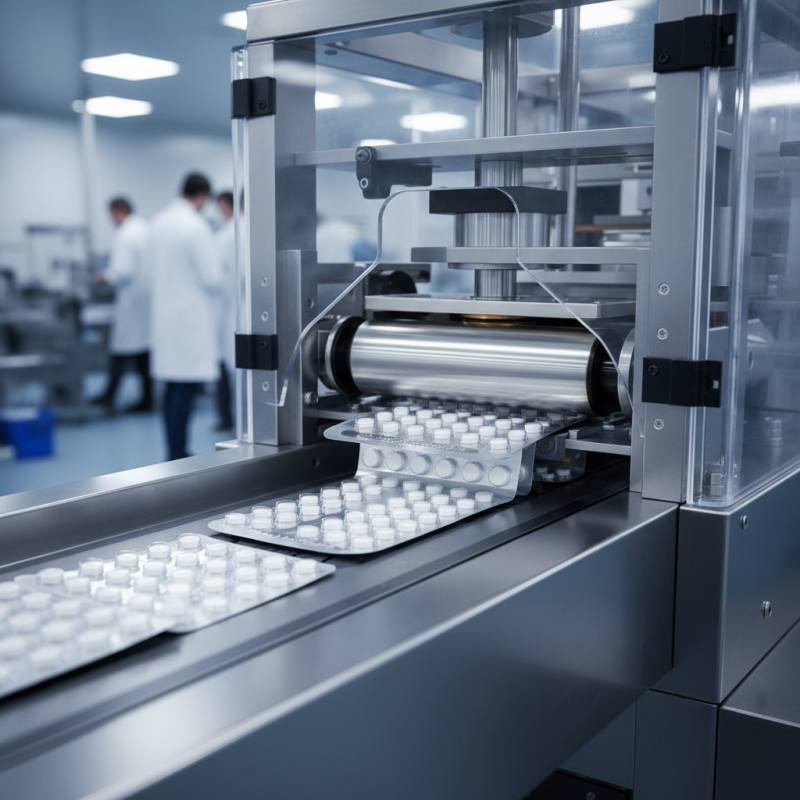
Blister packing machines offer a range of benefits for efficient packaging in various industries. They create secure, protective packaging for products, ensuring safety and extending shelf life. This type of packaging is particularly advantageous for pharmaceuticals, food items, and consumer goods. The clear visibility of the product through the blister helps in attracting consumers, thus boosting sales.
Choosing the right blister packing machine can enhance productivity significantly. With rapid packing speeds, businesses can keep up with high demand. Additionally, they reduce material waste, helping to save costs. A well-equipped machine can handle various sizes and shapes, making it versatile for different products.
**Tip:** Regular maintenance of your blister packing machine is essential. This can prevent unexpected downtime and costly repairs.
Consider the training of your staff. Proper training ensures efficient operation and minimizes mistakes during the packing process.
Each packaging need is unique. Reevaluate your processes and seek improvements regularly. Small adjustments can lead to more efficient operations.
Key Features to Consider When Selecting a Blister Packing Machine
When selecting a blister packing machine, there are essential features to consider. One critical aspect is the machine's versatility. Different products require varied forms of blister packs. A machine that offers customizable options can significantly enhance operational efficiency. This adaptability can be vital when scaling your production line or introducing new products.
Another important feature is the machine's speed and efficiency. Many models can produce large quantities in a short time. However, a faster machine might sacrifice quality. It is vital to find a balance between speed and precision. An efficient packing process reduces waste and ensures consumer satisfaction.
Don’t overlook ease of operation and maintenance. A user-friendly interface can shorten training times for staff. Regular maintenance is crucial for longevity but can be a hassle if the machine is complex. It’s essential to select a machine that your team can handle comfortably. Reflection on past experiences with various machines may guide you toward a better choice.
Different Types of Blister Packaging and Their Uses
Blister packaging is popular across various industries. It provides protection, visibility, and convenience for products. Common types include PVC, PVDC, and aluminum blisters. Each type has unique properties that cater to specific needs.
PVC blisters are versatile and cost-effective. They are often used for consumer products like pharmaceuticals and electronics. The transparency of PVC allows consumers to see the product inside, enhancing its appeal. However, PVC may not be ideal for heat-sensitive items.
PVDC offers superior barrier properties. It is often used for packaging food products and sensitive medical devices. This type prevents moisture and oxygen from degrading the product. Aluminum blisters are known for their strength and long shelf life. They are commonly used for medications and vitamins, ensuring product integrity.
Understanding these types helps businesses choose the right solution. Every product has unique packaging needs that should not be overlooked. Selecting the wrong type can lead to increased costs and product waste.
Why Choose a Blister Packing Machine for Your Business Needs? - Different Types of Blister Packaging and Their Uses
| Type of Blister Packaging |
Common Uses |
Materials Used |
Pros |
Cons |
| Thermoform Blisters |
Pharmaceuticals, Food Products |
PVC, PET, Polypropylene |
Cost-effective, Great Visibility |
Less sturdiness, Limited heat resistance |
| Cold Form Blisters |
Medical Devices, Sensitive Products |
Aluminum, PVC |
Superior protection, High barrier properties |
Higher cost, More complex machinery |
| Clamshell Blisters |
Consumer Electronics, Small Tools |
Transparent PVC, PET |
Durable, Excellent display |
Difficult to open, Wasteful packaging |
| Blenched Blisters |
Nutraceuticals, Supplements |
PET, PS |
Lightweight, High consumer appeal |
Limited protective capability |
Cost Efficiency and Return on Investment of Blister Packing Machines
Blister packing machines are an excellent choice for businesses aiming for cost efficiency. They reduce material waste, which translates into significant savings over time. By using less packaging material, businesses can optimize their production costs and lower their environmental impact. Many companies find that this efficiency leads to better profit margins.
Investing in a blister packing machine can enhance return on investment (ROI). The initial cost may seem high, but the long-term benefits often outweigh this expense. These machines can quickly adapt to various product sizes, which is invaluable for dynamic markets. However, it's essential to choose a machine that fits specific production needs to ensure maximum effectiveness.
Some organizations may overlook the maintenance costs associated with blister packing machines. Budgeting for routine upkeep is essential for sustained performance. Businesses must also consider potential training needs for operators, as improper use can lead to inefficiencies. Overall, while blister packing machines offer significant advantages, thoughtful planning is crucial for realizing their full potential.
Cost Efficiency and Return on Investment of Blister Packing Machines
Common Industries That Benefit from Blister Packing Solutions
Blister packing solutions play a significant role across various industries. In the pharmaceutical sector, for instance, over 70% of medications are packaged using blister technology. This method enhances product integrity and extends shelf life. It also offers clear visibility of pills, which helps reduce medication errors, benefiting both pharmacists and patients.
The cosmetic industry also reaps the rewards of blister packaging. According to a recent report, 68% of consumers prefer products that are securely packaged, as it reflects quality. Blister packs protect sensitive beauty products from contamination. They also allow brands to showcase vibrant designs, attracting potential buyers. This not only ensures product safety but also enhances the overall shopping experience.
In the food industry, blister packing safeguards perishable items. Research shows that around 60% of consumers are drawn to products that emphasize freshness. Blister packs can be designed to include moisture-absorbing materials. Such design helps maintain food quality longer.
However, it’s crucial for businesses to evaluate their packaging sustainability. A significant number of consumers are concerned about plastic waste, which can affect purchasing decisions. Companies must balance functionality and environmental impact to remain competitive.