
Leave Your Message
Blog

Blog

What to Know When Choosing a Blister Packing Machine?

When it comes to selecting a Blister Packing Machine, understanding the nuances of the industry is crucial. Expert John Smith, a veteran engineer in packaging technology, notes, “Choosing the right machine can make or break your production efficiency.” His insights reflect the significant considerations buyers should keep in mind.

A Blister Packing Machine plays a vital role in various sectors, especially pharmaceuticals and consumer goods. These machines ensure product safety while enhancing shelf appeal. However, with many options available, the wrong choice can lead to costly errors. It's essential to evaluate machine compatibility with your products and production needs.

Moreover, cost and maintenance are key factors. While investing in quality machinery is wise, a balance must be struck between price and capability. Assessing supplier reputation also matters significantly. Choose a manufacturer with a solid track record in customer support and reliability. Ultimately, your decision should reflect a blend of efficiency, innovation, and trustworthiness in the Blister Packing Machine industry.
What to Know When Choosing a Blister Packing Machine?

Understanding Blister Packing Machines and Their Functions

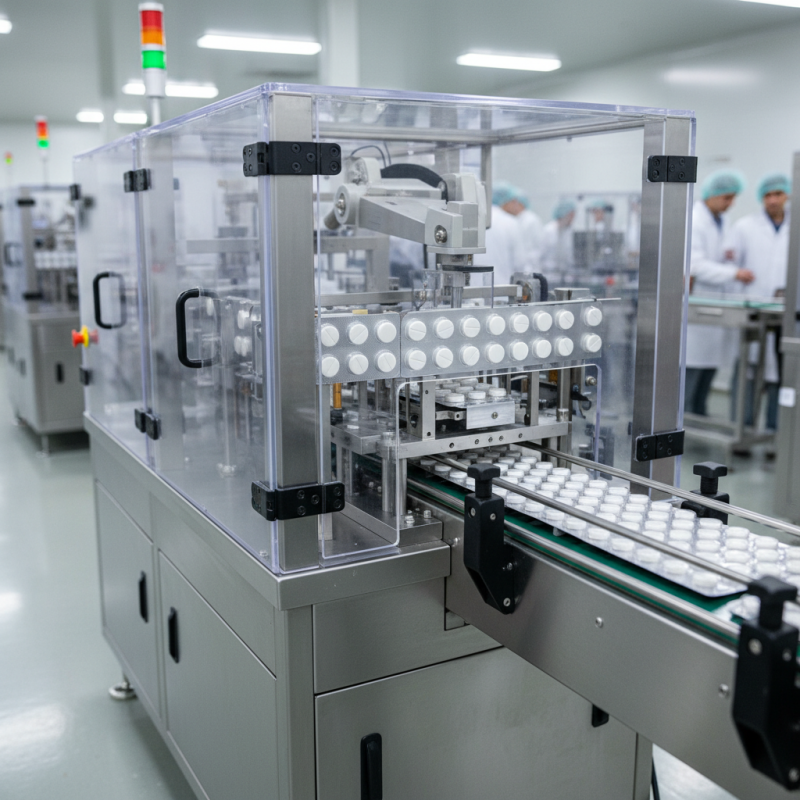
Blister packing machines are essential in various industries. They provide effective packaging solutions for pharmaceuticals, food products, and consumer goods. Understanding these machines involves knowing their functions, design, and operation.

These machines create a protective blister around items, safeguarding them from moisture and damage. They use heat and pressure to form a tight seal. This ensures the product remains intact during transportation and storage. However, users must consider the type of materials used in the packaging. Some materials may not be suitable for certain products, leading to spoilage or contamination.

Choosing the right blister packing machine requires expertise. It's vital to assess production speed, machine size, and compatibility with packaging materials. Factors like maintenance and ease of operation also matter. An ideal machine should not only meet production needs but also ensure product safety. Failure to consider these aspects can lead to costly mistakes, impacting efficiency and safety standards.

What to Know When Choosing a Blister Packing Machine

Feature Description Importance Considerations
Machine Type Standard, rotary, or electronic machines Medium Choose based on production volume and product type.
Production Speed Number of units per minute High Match speed with required output capacity.
Size of Blister Packs Dimensions of final packs High Ensure it accommodates your product sizes.
Material Compatibility Ability to work with various plastic films Medium Check for specific materials needed for your product.
Ease of Operation User-friendly controls High Select machines with intuitive features for training ease.
Maintenance Requirements Frequency and complexity of maintenance Medium Consider ongoing costs in your budget.

Key Factors to Consider When Selecting a Blister Packing Machine

When selecting a blister packing machine, several key factors come into play. Consider the machine's capacity and speed. Different industries will have varying production demands. A machine that fits one need may not suit another. It's essential to assess the expected output per hour. Understanding these requirements will help narrow down your options.

Another critical aspect is the type of materials used. Many blister packing machines handle various materials, such as PVC and aluminum. However, not every machine works well with all types. Ensure the machine you choose is compatible with the materials of your products. This can influence the quality of the final package, affecting customer satisfaction.

Lastly, think about ease of maintenance and operation. Machines with complex operations can lead to production delays. User-friendly interfaces can significantly cut down training time for operators. In this fast-paced environment, simplicity can be a major advantage. Reflect on your team's skill level and readiness for the machine you choose. A mismatch could create unintended challenges in your workflow.

Types of Blister Packing Machines and Their Applications

What to Know When Choosing a Blister Packing Machine?

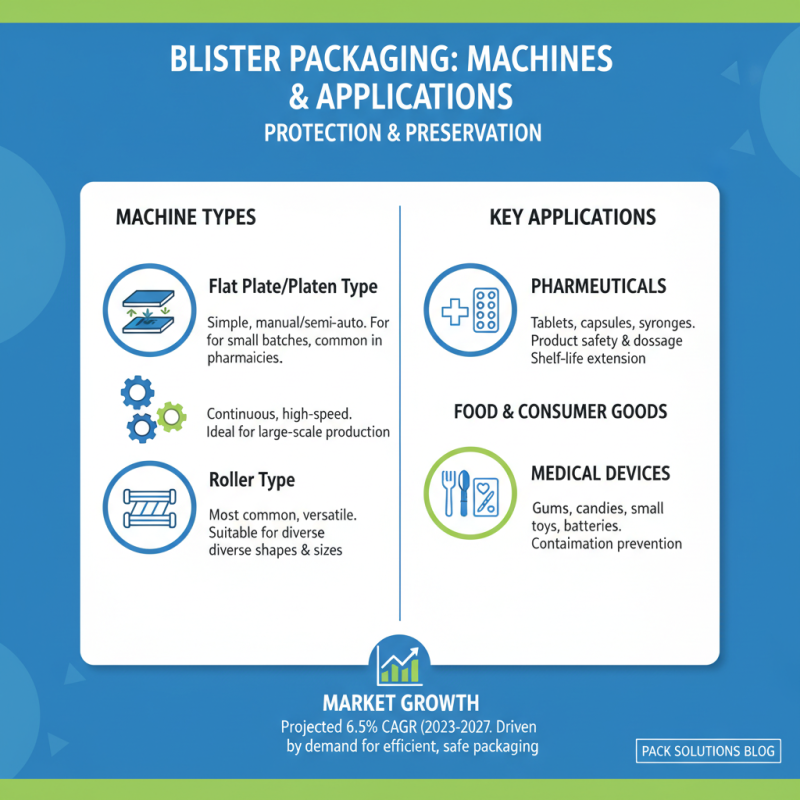
Blister packing machines are crucial in many industries. They provide reliable protection and preservation of products, particularly in pharmaceuticals and food. According to a recent market analysis, the blister packaging market is projected to grow at a CAGR of 6.5% through 2027. This growth is driven by the increased demand for efficient packaging solutions that extend shelf life and enhance product safety.

There are several types of blister packing machines available, each suited for specific applications. For instance, high-speed machines are ideal for pharmaceutical industries, packing tablets or capsules rapidly. These machines can operate at speeds exceeding 300 packs per minute. In contrast, semi-automatic machines offer flexibility for smaller production runs, making them a favorite among startups. They provide versatility, allowing manufacturers to switch between different product types with minimal downtime.

Despite their advantages, choosing the right blister packing machine can be challenging. Factors like machine complexity and maintenance needs must be considered. Many companies overlook the operational costs tied to training staff on these machines. Moreover, some machines may require specialized maintenance, leading to potential downtime. This aspect can be overlooked during the selection process, leading to inefficiencies. Understanding these elements is critical for making informed decisions.

Maintenance and Support: Ensuring Longevity of Your Machine

What to Know When Choosing a Blister Packing Machine?

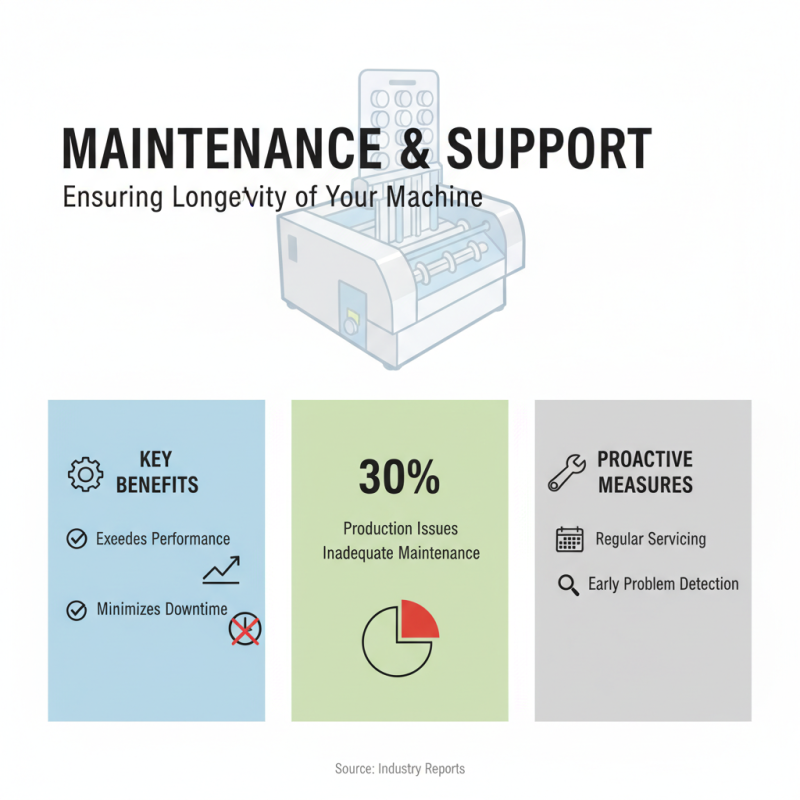
When selecting a blister packing machine, maintenance and support play crucial roles in ensuring the longevity of the equipment. A well-maintained machine exceeds performance expectations and minimizes unexpected downtimes. According to industry reports, about 30% of production issues stem from inadequate maintenance practices. Regular servicing helps identify potential problems before they escalate.

Tip: Establish a routine maintenance schedule. Daily checks can prevent major breakdowns. Keep a detailed log of maintenance activities and any issues encountered. It’s essential to train staff in routine care to enhance efficiency.

Support is equally vital. When manufacturers offer comprehensive technical support, it can significantly impact the machine's operational life. A reliable support system can guide users through troubleshooting and operational improvements. Studies indicate that effective customer support reduces equipment-related downtime by approximately 25%.

Tip: Build a relationship with your machine provider. Regular communication can help get timely advice and updates on best practices. Remember, leveraging external expertise is often necessary but can be overlooked in many operations.

Cost Analysis: Budgeting for a Blister Packing Machine Purchase

When considering a blister packing machine, understanding the cost is vital. Initially, you need to evaluate the purchase price. Blister packing machines can range significantly in cost based on their capabilities and technologies. Basic models can be more affordable, often under $10,000. However, advanced models with automation features can exceed $100,000. It's essential to balance your budget with your production needs.

In addition to the initial cost, ongoing expenses must be addressed. Maintenance and operational costs can add up over time. Regular upkeep is necessary to ensure longevity and efficiency. This might mean contracting professionals or investing in spare parts, which can be unpredictable. Furthermore, think about the training costs for your staff. A sophisticated machine may require specialized training, impacting your budget further.

One factor often overlooked is the potential impact on productivity. A more expensive machine may offer faster output, leading to higher profits in the long run. Conversely, a lower-cost machine may not meet demands, resulting in delays and lost revenue. Identifying the right balance between cost and production efficiency is crucial for a successful investment. Reflect on your current and future production needs to find the right fit.