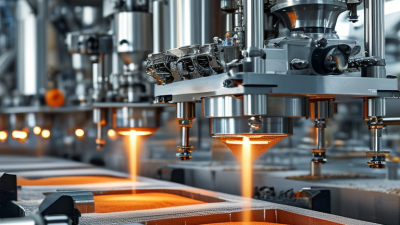
What is a Fluidized Bed Processor and Its Benefits for Buyers?
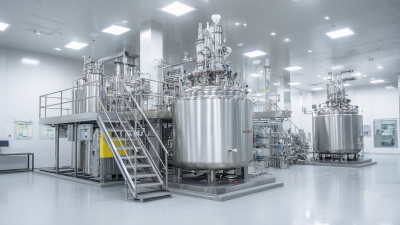
The Fluidized Bed Processor is a revolutionary piece of equipment in the processing industry. It allows for efficient material handling and transformation. This technology utilizes a fluidized bed to suspend solid particles in a gaseous stream. This process provides numerous benefits for buyers looking to enhance their production capabilities.
Investing in a Fluidized Bed Processor can significantly improve efficiency. The uniform distribution of heat ensures consistent processing of materials. Additionally, this technology minimizes the risk of overheating and degradation. Buyers often seek solutions that offer reliability, and this processor meets that demand effectively.
While the Fluidized Bed Processor has many advantages, it is essential to consider its limitations. Initial costs can be high, and it requires skilled operators. Reflecting on these aspects is crucial for informed decision-making. Understanding both the strengths and challenges of this technology ensures better investments and operational effectiveness.
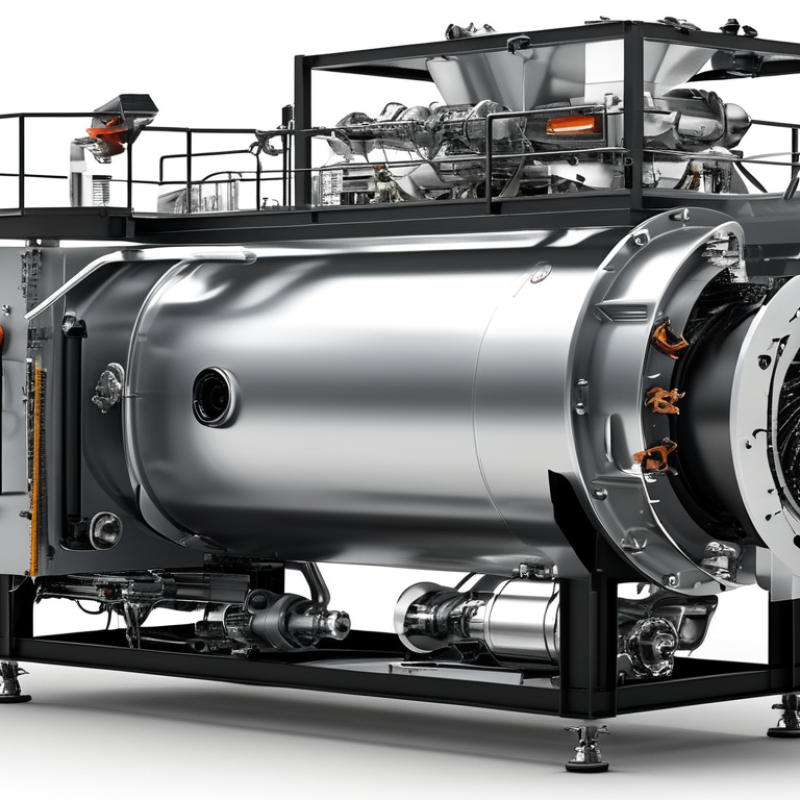
Understanding Fluidized Bed Processors: An Overview
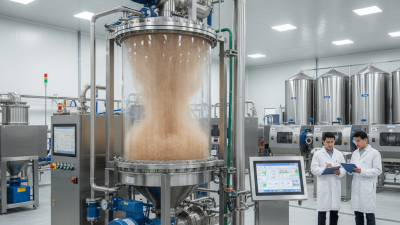
Fluidized bed processors are innovative equipment widely used in various industries, including pharmaceuticals and food processing. These systems utilize a bed of solid particles suspended in an upward flow of gas, creating a fluid-like behavior. This unique feature enables enhanced heat and mass transfer, crucial for optimal processing efficiency. According to a report by Grand View Research, the global fluidized bed equipment market is expected to reach $4.2 billion by 2026, with a CAGR of 5.3% from 2021 to 2026.
One significant benefit of fluidized bed processors is their ability to achieve uniform product quality. The consistent circulation of particles ensures that each particle receives similar exposure to heat and reactants. This results in fewer deviations in product characteristics, leading to more reliable outcomes. However, it’s vital to note that achieving this uniformity requires careful optimization of processing parameters. In some cases, users might struggle with particle size and distribution, impacting performance and efficiency.
Another advantage is the flexibility of fluidized bed processors for various applications. They can handle drying, granulation, and coating processes, catering to diverse needs. However, adapting the system to different materials can be challenging. Some materials may not fluidize well, leading to operational issues. This adaptability necessitates thorough testing and evaluation to maximize effectiveness. As industries continue to seek efficient processing solutions, fluidized bed technology remains a key consideration for enhancing productivity.
Fluidized Bed Processor Benefits
Key Components and Mechanism of Fluidized Bed Processors
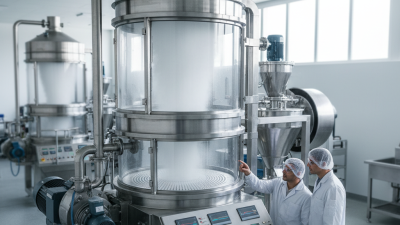
Fluidized bed processors are innovative devices used in various industries, particularly in pharmaceuticals and food processing. These systems work on the principle of fluidization, where solid particles are suspended in a gas or liquid. This suspension creates a uniform distribution of heat and mass transfer. The key components include a fluidizing medium, a distributor plate, and a vessel. The distributor plate ensures even airflow, preventing dead zones that can lead to inefficient processing.
The mechanism behind fluidized bed processors is fascinating. As the fluidizing medium moves through the particles, they behave like a liquid. This dynamic state allows for better mixing and reactions. In food processing, for instance, this method can enhance drying efficiency. However, achieving the perfect fluidization can be challenging. Operators must consider particle size, density, and moisture content for optimal performance.
While fluidized bed processors offer numerous advantages, they also come with certain challenges. Proper maintenance is crucial, as clogs can occur in the distributor plate. Sometimes, fine particles may escape the system, leading to material loss. Understanding these potential issues is essential for buyers to ensure efficient use. Investing in staff training and ongoing optimization of the process can mitigate risks.
What is a Fluidized Bed Processor and Its Benefits for Buyers? - Key Components and Mechanism of Fluidized Bed Processors
| Key Component |
Description |
Benefit |
| Fluidizing Air Supply |
Air is injected through a distributor to create a fluidized state. |
Uniform particle behavior enhances mixing and reaction. |
| Reaction Chamber |
Holds the fluidized particles and facilitates chemical reactions. |
High reaction efficiency due to excellent contact between phases. |
| Particle Separator |
Separates processed particles from unconsumed or excess feed. |
Minimizes material loss, improving yield. |
| Collector |
Captures the final product after processing. |
Ensures product integrity and reduces contamination risk. |
| Control System |
Monitors and adjusts process parameters automatically. |
Enhances process stability and predictability. |
Benefits of Fluidized Bed Processors for Various Industries
Fluidized bed processors have gained traction across various industries due to their unique advantages. In pharmaceuticals, these processors enhance granulation and improve uniformity in tablet production. This leads to better quality and faster production times. Operators can precisely control temperature and airflow, resulting in consistent output.
In the food industry, fluidized bed dryers are essential for achieving optimal moisture content. They ensure that ingredients like grains and powders dry evenly, which enhances preservation and flavor. However, achieving the right balance can be tricky. Over-drying may lead to product loss, requiring constant monitoring and adjustment.
In environmental applications, these processors aid in waste management. They help break down materials efficiently, enabling better recycling. Yet, the initial setup and operational costs could be challenging for some businesses. The technology is evolving, but users must remain adaptable to industry changes and advancements. This flexibility fosters innovation and improvement in production processes.
Comparative Analysis: Fluidized Bed Processors vs. Traditional Methods
Fluidized Bed Processors (FBPs) offer distinct advantages over traditional methods. In many industrial applications, FBPs demonstrate higher efficiency. According to a market analysis by Research and Markets, they can achieve 10%-30% greater heat transfer rates compared to conventional systems. This efficiency can lead to significant energy savings and lower operational costs for manufacturers.
In contrast, traditional processing methods often struggle with consistency. FBPs provide a uniform product quality due to their ability to maintain a consistent temperature and atmosphere. They can process a wide range of materials without significant changes in equipment or technique. However, implementing fluidized bed technology may involve higher upfront costs. The capital expenditure can be a barrier for some buyers. Yet, the long-term savings and performance improvements can justify this investment. Data from industry case studies show that companies utilizing FBPs often see a return on investment within three to five years.
While FBPs have numerous benefits, they are not without challenges. Operators must manage fluidization conditions closely to avoid issues like channeling or agglomeration. Frequent monitoring and adjustments may be necessary. This can require more skilled labor and training. Overall, fluidized bed processing offers a compelling alternative, though potential drawbacks should be carefully considered.
Considerations for Buyers When Choosing a Fluidized Bed Processor
When selecting a fluidized bed processor, buyers must consider various factors that directly influence efficiency and performance. Airflow control is critical in achieving optimal particle dynamics. According to industry reports, properly designed airflow systems can enhance evenly distributed heat transfer by up to 30%. This feature may significantly impact product quality and process efficiency.
Material compatibility is another essential consideration. Different materials can alter the fluidization behavior, leading to variations in processing outcomes. It is advisable to conduct pilot tests with representative samples before full-scale implementation. This step can prevent costly mistakes and ensure that the selected processor meets specific production needs.
**Tips:** Always assess the scalability of the processor. Changes in production volume necessitate adaptable equipment. Additionally, examine the ease of maintenance. Complex systems may lead to prolonged downtimes, affecting overall productivity.
Remember, investing in high-quality equipment must align with long-term production goals. Prioritize processors that offer reliable performance data and user feedback. It’s beneficial to seek input from industry peers and experts, as insights can highlight potential challenges and solutions. Consider if your team has the technical capability to operate advanced systems efficiently.