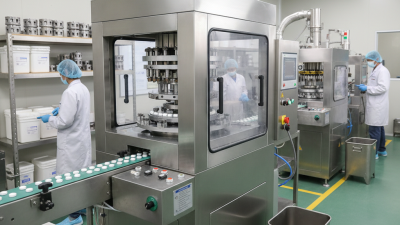
Why Choose Tableting Machines for Your Manufacturing Needs?
In the fast-evolving landscape of manufacturing, choosing the right equipment is crucial. Tableting machines have become essential in the pharmaceutical sector. According to a report by MarketsandMarkets, the global tablet press machine market is expected to reach USD 1.2 billion by 2025. This highlights the growing reliance on advanced tablet production technologies.
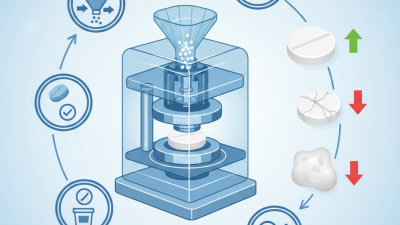
Dr. Emily Carter, an expert in pharmaceutical manufacturing, emphasizes, “The efficiency of tableting machines directly impacts product quality and production speed.” These machines streamline processes like powder compression, ensuring uniformity and minimizing issues like tablet breakage. However, manufacturers must also consider the learning curve involved. Effective training is vital to maximize the potential of these machines.
Despite their benefits, some manufacturers face challenges in choosing the right models. Compatibility with existing systems and ongoing maintenance are common concerns. Therefore, weighing both advantages and potential drawbacks is essential when investing in tableting machines. This critical decision influences overall productivity and operational success.
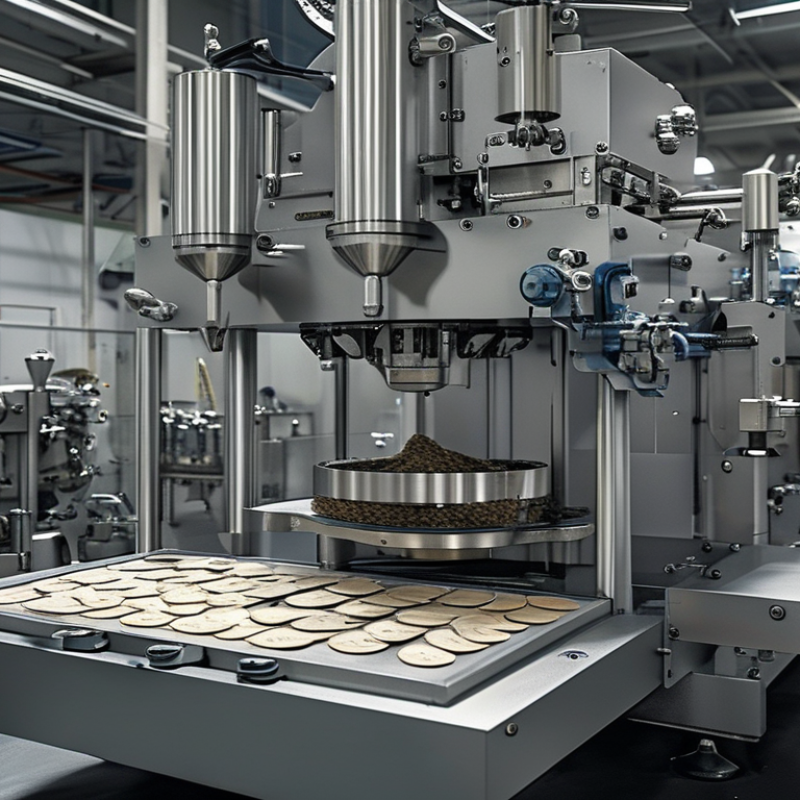
The Growing Demand for Tableting Machines in Pharmaceutical Manufacturing
The pharmaceutical industry is witnessing a rapid increase in the demand for tableting machines. These machines play a crucial role in the production of solid dosage forms like tablets. Their efficiency and precision cater to the rising need for faster production rates. As patient needs evolve, manufacturers must adapt quickly. Tableting machines help achieve this goal.
One of the primary advantages of using tableting machines is their ability to ensure consistent quality. They can create tablets with uniform size and weight, minimizing variations. However, the technology is not without challenges. Over time, equipment may wear out, leading to potential quality issues. Regular maintenance is critical to avoid such setbacks.
Moreover, the versatility of these machines allows for various formulations and active ingredients. This flexibility is essential for responding to market trends. Still, this adaptability can complicate the training process for operators. Ensuring that staff is well-trained is imperative. Each machine requires a unique operational understanding, which can be a learning curve for new employees.
Key Advantages of Tableting Machines Over Traditional Manufacturing Processes
Tableting machines have become essential in modern manufacturing. They streamline processes and enhance efficiency. According to a recent industry report, 75% of pharmaceutical companies have shifted to using tableting machines. This change is driven by higher productivity and lower labor costs. The automated nature of these machines minimizes human error, ensuring consistent quality in production.
One key advantage of tableting machines is their ability to produce large volumes quickly. Traditional methods can be slower, causing delays and increased costs. Tableting machines can operate at speeds exceeding 200,000 tablets per hour, significantly outpacing manual processes. They also require less manual intervention, which can reduce the risk of contamination—a critical consideration in fields like pharmaceuticals.
Moreover, tableting machines provide versatility in formulation. They can accommodate various materials, whether powders or granules. This flexibility meets the diverse needs of manufacturers. However, some challenges exist, such as initial setup costs and the need for operator training. Balancing these factors is crucial for effective implementation. Ultimately, understanding the strengths and weaknesses of tableting machines is vital for companies aiming to improve their manufacturing processes.
Industry Statistics: Efficiency and Cost-Effectiveness of Tableting Technology
Tableting technology has emerged as a backbone of the pharmaceutical and nutraceutical industries. Reports indicate that tablet manufacturing accounts for over 70% of all dosage forms produced worldwide. This statistic highlights the importance of efficiency in production processes. The global market for tableting machines reached approximately $850 million in 2022 and is expected to grow at a CAGR of over 6% in the coming years. This growth is driven by the increasing demand for high-quality, cost-effective medications.
Efficiency is critical when considering tableting machines. Studies show that automated systems can reduce production time by up to 40%. A report published by the International Society for Pharmaceutical Engineering found that companies adopting advanced tableting technology improved their yield rates by 15%. Such enhancements in productivity illustrate the value tableting machines bring to manufacturing.
However, industries must critically evaluate these statistics. While the promise of efficiency is compelling, not every facility may experience these gains. Challenges such as equipment maintenance and training should be factored into the overall cost-effectiveness. Adopting new technology requires an upfront investment, which may not yield immediate results. Balancing these factors is key to achieving potential benefits in production.
Innovations in Tableting Machines: Enhancements in Production Quality
Tableting machines have seen remarkable advancements in recent years. These innovations aim to improve production quality, essential for any manufacturer. One key enhancement is improved compression technology. This allows for better tablet consistency and fewer production failures. Consistent tablet weight and hardness are vital for meeting quality standards.
Another notable innovation is the integration of advanced monitoring systems. These systems track the entire production process in real-time. By doing this, manufacturers can quickly identify issues and reduce downtime. This proactive approach mirrors a shift towards greater reliability in the industry. Nevertheless, some manufacturers may struggle with the initial investment needed for this technology, raising questions about cost-effectiveness.
Moreover, user-friendly interfaces have developed significantly. Operators can now navigate complex functions easily, but training is crucial. Even with advanced machines, human error remains a concern. While technology assists in enhancing quality, the human element can still introduce variability. Maintaining a balance between innovation and practical operation is essential for manufacturers in this evolving field.
Future Trends: The Role of Automation in the Tableting Sector
The role of automation in the tableting sector is growing rapidly. According to a recent market research report, the global tablet press market is expected to reach $2.5 billion by 2028. This highlights a significant shift towards automated processes in pharmaceutical manufacturing. Automation improves efficiency, decreases human error, and enhances product consistency.
Tableting machines equipped with advanced technology can produce high volumes with precision. In fact, automated machines can increase production rates by up to 50%. This is crucial for meeting the increasing demand for pharmaceuticals globally. However, integrating automation comes with challenges. Facilities must invest in training staff and updating existing systems. These are often overlooked but essential steps.
As manufacturers embrace automation, they must also consider flexibility. The ability to switch between different formulations quickly can be a game changer. Reports indicate companies that adopt flexible automation see a 30% reduction in changeover time. Yet, not every facility can adapt seamlessly. There is a learning curve, and some teams may struggle. The balance between automation and manual operations is complex but necessary for future growth.
Trends in Tableting Machine Production and Automation