2026 Top Cannabidiol From Hemp Suppliers for Global Buyers
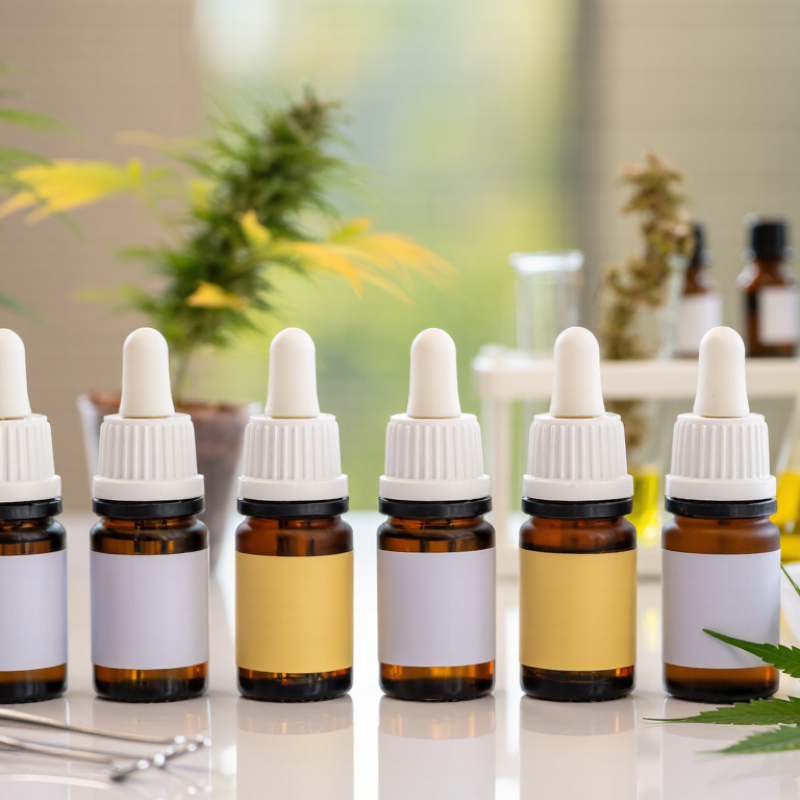
For global buyers, choosing a Cannabidiol From Hemp supplier is not simply a price comparison. It is a review of plant origin, processing controls, batch records, and clear communication. A specification sheet should identify the product type, cannabinoid profile, and testing methods. Ask for recent, batch-specific certificates of analysis, not a generic document with no traceable lot number. Details matter. A sealed sample bottle, a consistent amber color, and a readable label can help start an evaluation, but appearance alone cannot verify quality.
Cannabinoid researcher Dr. Raphael Mechoulam described cannabis as “a treasure trove of pharmacologically active compounds.” That observation highlights why careful identification and testing matter. This guide compares suppliers using practical questions about traceability, quality systems, documentation, and service for international orders. Buyers should also confirm that products, claims, shipping documents, and import arrangements meet the requirements of each destination market. Rules differ, and they can change. A supplier’s assurance is not a substitute for independent review.
A tidy spreadsheet may still miss important differences. Testing scope, sample handling, and document dates deserve a closer look. No supplier profile can replace direct due diligence, and no single certificate answers every question. That is worth remembering. The aim here is a clearer starting point for comparing candidates, not a promise of suitability or performance. Ask precise questions, keep records, and pause when answers are vague.
Understanding Hemp-Derived Cannabidiol and the 2026 Supplier Market
Hemp-derived cannabidiol (CBD) is one compound obtained from hemp, but supplier materials can differ in cannabinoid profile, extraction method, and refinement. A drum labelled “CBD extract” may contain more than cannabidiol. Ask for a batch-specific certificate of analysis showing CBD content and screening for pesticides, heavy metals, residual solvents, and microbes. Check that the laboratory is independent and its methods are clearly identified. Small details matter.
The 2026 supplier market is shaped by demand for traceability and consistent specifications, not just quoted price.
Grand View Research estimated the global CBD market at USD 7.59 billion in 2023 and projected a 16.2% compound annual growth rate for 2024–2030. That estimate covers a broad product market; it is not a direct measure of hemp-CBD ingredient sales.
USDA’s 2024 National Hemp Report separates U.S. production data into categories including floral hemp, fiber, grain, and seed, underscoring that “hemp supply” is not one uniform input. Buyers should compare origin, harvest year, processing records, and testing limits. Request a retained sample before approving a large lot.
Forecasts can look precise, but supplier capacity and crop quality still vary.
Common CBD Product Types, Grades, and Quality Specifications
CBD ingredients are commonly supplied as isolate, broad-spectrum extract, or full-spectrum extract. Buyers also encounter oils, softgels, topical preparations, and water-dispersible powders. These formats differ in composition and intended use. “Grade” has no single universal definition, so suppliers should explain whether it means food-grade handling, a defined assay range, or another documented specification. Clear definitions matter.
A JAMA analysis of 84 online CBD products found that only 31% were labeled within 10% of their measured CBD content (Bonn-Miller et al., 2017). That result makes lot-specific testing essential. Ask for a certificate of analysis showing identity and CBD assay, plus tests for pesticides, heavy metals, residual solvents, and microbial contaminants. Check the method, reporting limits, and sample lot—not just the document’s appearance. A polished certificate is not proof by itself. It is easy to overlook stability; request supporting data for the product’s shelf life, and review whether the test methods suit its format.
Common Hemp-Derived CBD Ingredient Grades: Illustrative CBD Content Ranges
The ranges are indicative sourcing benchmarks, not universal grade definitions or regulatory limits. Actual composition varies by supplier and process. Buyers should verify potency, cannabinoid profile, residual solvents, pesticides, heavy metals, and microbiological results against a batch-specific certificate of analysis (COA) and applicable local requirements.
How Global Buyers Can Evaluate and Compare Hemp CBD Suppliers
Comparing hemp CBD suppliers starts with the paperwork, not a polished product page. Ask for a recent certificate of analysis tied to the specific lot under consideration. It should show cannabinoid levels, testing methods, and contaminant screening, including residual solvents, heavy metals, and microbes. Check that an independent laboratory issued the report and that its reference number can be verified. Small details matter.
Review how each supplier tracks materials from intake through finished product. Request batch records, written quality procedures, and clear product specifications. Compare these against your intended use and the requirements of the destination market; rules and documentation needs can differ. A supplier should answer technical questions plainly and provide revisions when specifications change. If answers rely on vague assurances, pause. A spreadsheet can make suppliers look equally strong, but it cannot reveal every process weakness.
Request representative samples and compare them using the same criteria, such as aroma, appearance, packaging, and consistency between batches. Ask about shelf-life data, storage conditions, minimum order quantities, and realistic lead times. A low quote may omit testing, shipping, or documentation costs, so compare the full landed cost. No checklist removes uncertainty. Even a thorough review needs follow-up when a new lot arrives or a specification changes.
Regulatory Requirements and Documentation Across Major Markets
For hemp-derived cannabidiol, a certificate of analysis is only one part of an export file. Buyers should request batch-level results for cannabinoid content, pesticides, heavy metals, microbiology, and residual solvents. The report should identify the sample, test methods, laboratory, and batch number. Confirm that the laboratory’s ISO/IEC 17025 accreditation covers the relevant methods. Rules diverge. The European Union generally treats CBD foods as novel foods requiring authorization, while the United States has separate FDA restrictions on CBD in foods and dietary supplements. Requirements can change, so verify the product’s exact category and current rules with qualified local counsel before shipment.
Documentation should match the destination market, not just the supplier’s home market. Request ingredient and manufacturing records, product specifications, origin statements, traceability documents, and a clear assessment of THC against the receiving market’s limits. The UK Food Standards Agency maintains a public list for CBD novel food applications; inclusion on that list does not itself mean a product is fully authorized. The European Commission’s 2023 RASFF annual report recorded 4,683 food- and feed-safety notifications across categories, not CBD-specific. That wider figure underlines why clear records matter. A missing batch link or an outdated test can delay customs review. Paperwork travels. Keep a dated compliance checklist for every destination and revisit it before each shipment.
Sourcing, Shipping, and Risk Management for International CBD Orders
International CBD procurement begins with a clear product specification. Define the extract type, cannabinoid profile, intended use, and required batch size before comparing hemp suppliers. Request recent, batch-matched certificates of analysis from an independent laboratory. Check identity, potency, and contaminant results, then confirm that the report matches the product label. Small details matter.
Shipping plans should fit the destination, not just the supplier’s warehouse schedule. Confirm import eligibility and documentation requirements with qualified local advisers before placing an order. Ask who prepares the commercial invoice, certificate of origin, and other required records. Agree on temperature limits, packaging, insurance, and delivery terms in writing. A delayed shipment can affect product quality or cash flow. Customs timelines can vary.
Risk management continues after dispatch. Use secure document sharing and track each batch from production through receipt. Keep samples and inspection records where appropriate, and define a process for damaged, delayed, or nonconforming goods. Even a tidy spreadsheet can miss a changed specification or an outdated test report; that is an easy mistake to underestimate. Recheck documents before payment and shipment, especially when a supplier or route is new. For every order, verify that the product and transaction meet applicable requirements in both the shipping and receiving markets.