
Leave Your Message
Blog

Blog

How to Source Cannabidiol From Hemp in 2026?

Sourcing Cannabidiol From Hemp in 2026 calls for more than finding a low price or a supplier with polished marketing. The market is growing, but demand does not guarantee consistent quality. Grand View Research estimated the global cannabidiol market at US$7.59 billion in 2023 and projected a 16.2% compound annual growth rate from 2024 to 2030. That is a market estimate, not proof that any particular ingredient is well sourced.

Supply has a physical footprint, too. The USDA’s 2024 National Hemp Report valued U.S. hemp production in 2023 at about US$291 million. For buyers, the useful questions start closer to the field: Which hemp variety was grown? Can the supplier trace each lot to its origin? Does a recent certificate of analysis identify cannabinoid levels and screen for contaminants? These records help distinguish a documented ingredient from one supported mainly by claims. Small details count.

This guide looks at how to assess suppliers, cultivation records, extraction methods, and testing before making a sourcing decision. It also considers the limits of paperwork: a certificate can be incomplete, outdated, or difficult to connect to the delivered batch. That deserves scrutiny. A dependable process combines verifiable documents with clear communication and checks that fit the intended product and applicable requirements. No single badge settles the question. Sourcing well takes patience, and even careful buyers may find gaps worth revisiting.
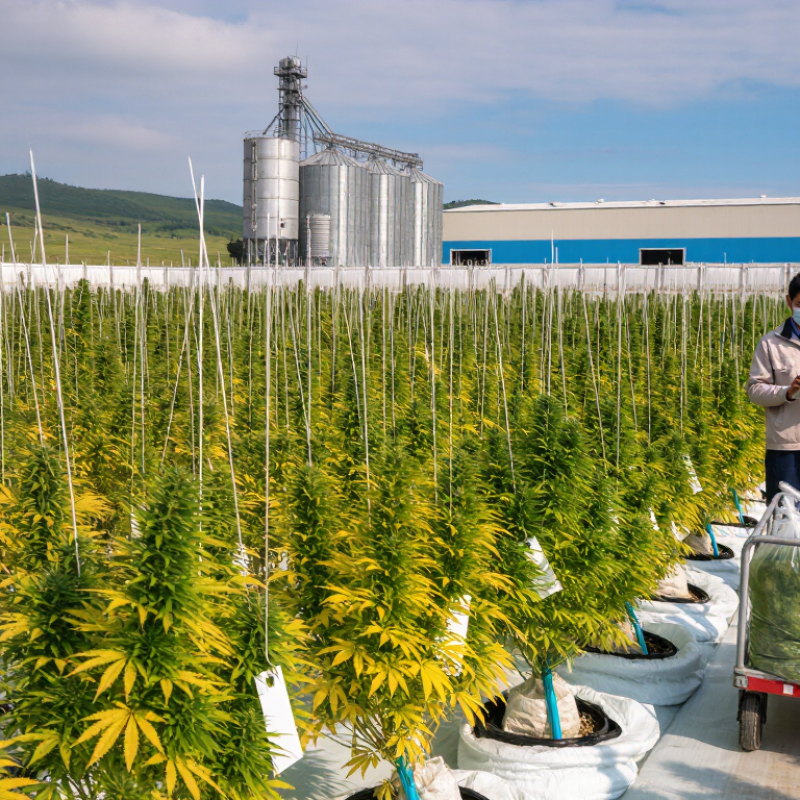
How to Source Cannabidiol From Hemp in 2026?

Understanding Hemp-Derived Cannabidiol and the 2026 Sourcing Landscape

Understanding Hemp-Derived Cannabidiol and the 2026 Sourcing Landscape

Hemp-derived cannabidiol begins with the crop, not the label. A reliable sourcing review follows the material from seed variety and field records through extraction and final testing. In its 2024 National Hemp Report, the USDA valued U.S. hemp production at $291 million for 2023, including $241 million in floral hemp. Those figures show the crop’s commercial scale, but they do not verify any supplier’s quality. Ask for batch-specific certificates of analysis, pesticide and heavy-metal results, and clear chain-of-custody records. Check that the tested lot matches the material being purchased. Small details matter.

Market estimates add context, not proof. Grand View Research’s 2024 cannabidiol market report estimated a global market value of $7.59 billion in 2023 and projected a 16.2% compound annual growth rate from 2024 to 2030. Such forecasts can signal rising demand, yet they do not establish consistent supply or product quality. In 2026, buyers should compare traceable documentation, testing methods, and storage conditions—not just quoted potency or price. Look for sealed samples, dated results, and specific analytical methods. Even then, paperwork can look cleaner than the crop. That gap deserves scrutiny.

How to Source Cannabidiol From Hemp in 2026?

U.S. hemp harvested acreage by intended use, 2023

Floral hemp is the crop category most relevant to cannabidiol sourcing, but not all floral acreage is grown for CBD. Treat acreage as supply-chain context, then verify the supplier’s crop records, applicable THC compliance documentation, and independent batch-specific cannabinoid and contaminant test results.

Source: USDA National Agricultural Statistics Service, 2023 National Hemp Report. Figures are harvested acres by intended use; they are not CBD production or market-share figures.

Finding Hemp Suppliers and Verifying Crop Origins

Sourcing cannabidiol from hemp in 2026 starts with a clear question: where was the crop grown? Ask suppliers for the farm location, field or lot identifier, cultivar records, harvest date, and documents linking the harvested biomass to each processed batch. The USDA National Agricultural Statistics Service reported 18,251 harvested hemp acres in 2022, in its 2023 National Hemp Report. That figure shows a substantial crop base, but it does not verify any supplier’s origin claims. Ask for the field.

Compare farm records with transport documents, processor intake logs, and batch-specific certificates of analysis. Check that identifiers and dates match across records. Independent laboratory results can help confirm cannabinoid content and screen for contaminants, but they do not prove where a crop was grown. Request the laboratory’s methods and accreditation details, and confirm that the sample corresponds to the batch offered. Paper trails matter.

A site visit or a live video walk-through can add useful context: field signs, storage conditions, and how lots are kept separate. When a supplier cannot connect a batch to its farm records, treat the gap as unresolved rather than filling it with assumptions. This takes extra time. It can also reveal that a tidy certificate is only one piece of evidence. Cite the USDA report and retain dated supplier records for later review.

How to Source Cannabidiol From Hemp in 2026? — Finding Hemp Suppliers and Verifying Crop Origins
Sourcing Dimension Information to Request How to Verify It Practical Acceptance Check
Farm and field origin Country, region, farm or grower identifier, field or parcel reference, and harvest year. Compare grower records with purchase documents, transport records, and the supplier’s lot-traceability records. Origin details should identify a specific growing location and connect to the supplied crop lot; a broad country-of-origin statement alone is not full field-level traceability.
Crop identity and harvest Hemp crop type, cultivar or variety where recorded, seed or planting-lot reference, planting period, and harvest date. Check farm logs, seed or planting records, harvest records, and the supplier’s crop-lot documentation for matching identifiers. Dates and identifiers should be consistent across farm, purchase, and processing records. Request an explanation for gaps or conflicting entries.
Chain of custody Lot number, quantity, transfer dates, storage locations, and the names or identifiers of each responsible business party. Trace the lot from farm to processor using dated invoices, receiving records, shipping documents, and inventory logs. Each transfer should preserve the lot identity or document how lots were split or combined. Do not treat a generic certificate as proof of a particular shipment’s origin.
Harvested-material testing Test report for the relevant crop lot, including sample identity, collection date, laboratory, methods, and reported results. Confirm that the report’s sample and lot identifiers match the crop records. Check the laboratory’s accreditation and whether its accreditation scope covers the reported tests. Results should be traceable to a clearly identified sample and lot. A report without a matching lot reference may not verify the material being purchased.
CBD and cannabinoid profile Lot-specific cannabinoid results, including CBD and relevant THC measurements, with units and reporting limits. Review the laboratory report for the analytical method, sample basis, date, and limits of quantification; confirm results apply to the material or extract being evaluated. Compare the results with the product specification and the rules that apply in the destination market. THC limits and testing requirements vary by jurisdiction and product type.
Contaminant screening Risk-based results for pesticides, heavy metals, microbial contaminants, and—where relevant to processing—residual solvents or other specified contaminants. Check that the report identifies the tested lot, methods, units, and applicable acceptance limits. Verify that the laboratory is qualified for the requested analyses. Use limits set by the applicable law or written product specification. A “pass” statement without results or defined criteria is difficult to assess independently.
Processing and extraction records Processor identity, processing site, extraction method, input crop-lot references, output lot number, and any blending or refinement steps. Reconcile batch records and material-balance records with incoming crop lots, production dates, and finished-product lot documentation. Processing records should show how the purchased extract connects to the documented crop. If multiple crop lots were blended, request the contributing lot references.
Regulatory status Destination market, intended product category, applicable licenses or registrations, and documents required for the crop, extract, or finished product. Check current requirements with the relevant government regulator or qualified legal counsel; confirm that permits and records apply to the specific activity and location. Do not assume that “hemp” or a compliant crop test makes every CBD ingredient or finished product lawful in every market. Requirements differ across jurisdictions.
United States hemp definition (example) Documentation relevant to the applicable U.S. federal and state requirements for the crop and its THC testing. Review current federal and state rules and the crop’s official testing and harvest documentation for the relevant jurisdiction. U.S. federal law defines hemp, in part, by a delta-9 THC concentration of not more than 0.3% on a dry-weight basis; applicable state and program requirements should also be checked.
Supplier qualification and ongoing review Written quality procedures, change-notification process, complaint handling, record-retention practices, and authorization for audits or document review. Assess document completeness, review a representative lot file, and periodically compare new shipments against the supplier’s stated controls. Set written specifications and lot-release criteria before purchase. Reassess when the farm, processor, test laboratory, origin, or production method changes.

Comparing Extraction Methods and Cannabidiol Specifications

In 2026, sourcing cannabidiol from hemp starts with clear records: farm origin, harvest date, plant part, and batch identification. Extraction affects the resulting profile, but it does not determine quality on its own. Supercritical carbon dioxide can produce a clean extract with adjustable processing conditions. Ethanol extraction can capture a broader range of plant compounds, though solvent removal and testing matter. Neither method guarantees a better product.

Compare specifications, not just the advertised cannabidiol percentage. Check whether the material is an isolate or a full-spectrum extract, and review the measured cannabinoid profile. Request a recent, batch-matched certificate of analysis from an independent laboratory. It should report potency and screen for residual solvents, pesticides, heavy metals, and microbial contaminants. Look for clear units, test dates, and laboratory credentials. Missing details deserve a follow-up.

Tips: Ask for the actual test report, not a sample from another batch. Confirm that the listed specification matches the material you will receive. A tidy document is helpful, but it is not proof by itself; I would still verify the batch number and testing scope.

Checking Certificates of Analysis and Regulatory Compliance

Sourcing cannabidiol from hemp in 2026 starts with a traceable batch, not a persuasive sales sheet. Request a current Certificate of Analysis (COA) tied to the exact lot you plan to buy. Check that the report names the sample, test date, laboratory, methods, and measured cannabinoid profile. Paperwork matters. A peer-reviewed 2017 JAMA study by Bonn-Miller and colleagues tested 84 online CBD products; only 31% were accurately labeled. That finding is not a measure of today’s market, but it shows why verification matters.

Read beyond the headline potency figure. Confirm that the COA includes relevant tests for pesticides, heavy metals, microbes, and residual solvents, where applicable to the product and process. Look for a laboratory accredited to ISO/IEC 17025 for the methods used; accreditation alone does not prove every test is within its accredited scope. Match the batch number on the report to the product specification and shipping documents. Small details matter. If values use different units, ask for clarification rather than comparing them by eye.

Regulatory checks need the same care. Confirm that the hemp source, processing steps, product type, and intended market meet applicable requirements in each relevant jurisdiction. Request supplier documentation on cultivation and processing controls, and verify that required registrations or permits are current. A COA is not a compliance certificate. Keep dated copies of reports and correspondence, and record who reviewed them. It can feel repetitive. Still, one overlooked batch mismatch can weaken an otherwise careful sourcing decision.

Evaluating Supplier Reliability, Costs, and Supply-Chain Risks

How to Source Cannabidiol From Hemp in 2026?

A reliable supplier should document each hemp lot from field to finished ingredient. Ask for the harvest location, lot number, processing method, and chain-of-custody records. Paperwork matters. Check that independent laboratory reports match the specific lot, not a generic sample. Review cannabinoid profiles, contaminant screening, test dates, and the laboratory’s sampling method. A polished certificate is not enough if the sample cannot be traced.

Costs need context. Compare price per usable kilogram, then include testing, shipping, storage, and rejected-lot allowances. Ask how suppliers handle crop variation, delayed harvests, or failed quality checks. Request recent delivery records and a clear process for resolving discrepancies. Confirm the material meets the rules in the destination market before placing an order. That check can prevent expensive surprises. Supplier audits and insurance documents also help assess operational reliability, though they do not guarantee consistent quality. Even a tidy spreadsheet can miss a weak link: one unclear handoff between processor and distributor may leave a buyer guessing about a batch’s history. I would treat that uncertainty as a cost, not a minor paperwork flaw.