
Blog
Why Choose a Mixing Powder Machine for Your Business?
For businesses that handle powders, consistent blending affects product quality, packing speed, and daily workflow. A Mixing Powder Machine can help combine ingredients evenly, reduce repetitive manual work, and support more predictable production. It may suit food processors, chemical manufacturers, supplement producers, and other operations that need controlled powder mixing. The right choice depends on material behavior, batch size, target output, and cleaning needs. Fine powder may flow differently from coarse granules. Moisture can change everything. Small details matter.
Before comparing models, consider how ingredients enter and leave the vessel, whether mixing time is adjustable, and how operators inspect each batch. Contact surfaces, discharge design, floor space, and maintenance access are practical points to verify with a supplier. Ask for a demonstration using representative materials, not just a polished brochure. It may reveal clumping, dust, residue, or awkward loading. No machine removes every process challenge. Sometimes a simpler setup performs better. A sound purchase decision also weighs operating costs, training, spare parts, and service response alongside the purchase price. Specifications deserve careful review, because capacity figures alone do not explain real-world performance. This guide explores why a Mixing Powder Machine may benefit a business, which features deserve attention, and what questions to ask before investing. The goal is not to promise perfect batches. It is to match equipment to the actual process, then confirm that match with evidence. A little uncertainty is useful; materials can behave unexpectedly at scale.
What Is a Mixing Powder Machine?
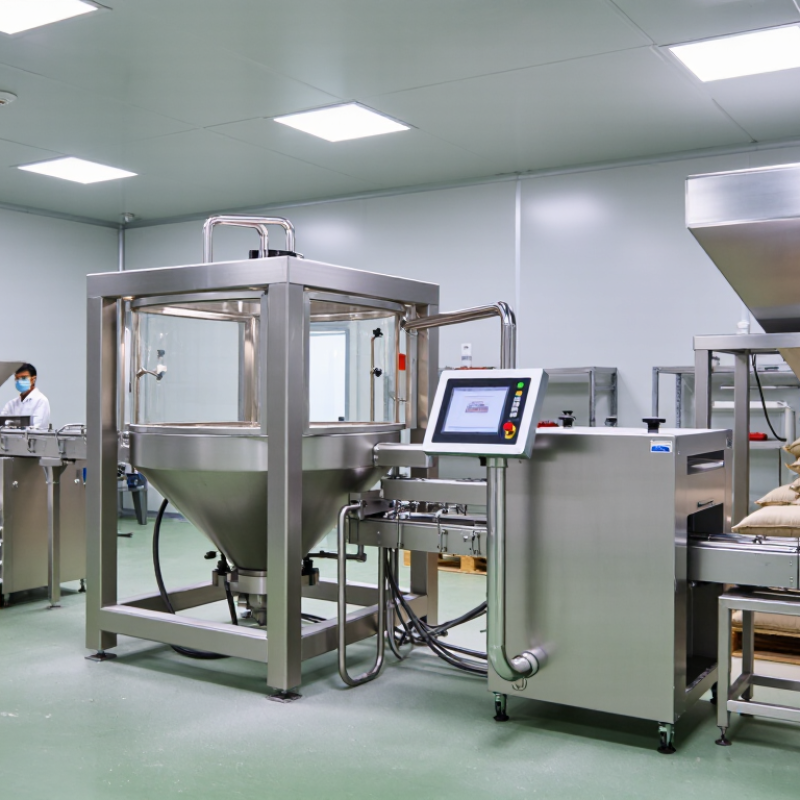
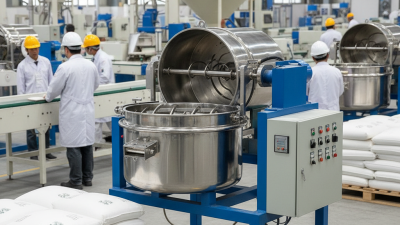
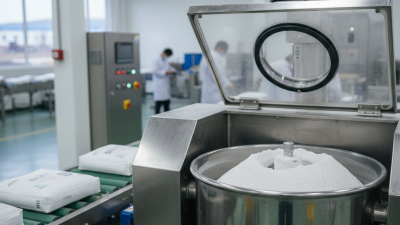
A mixing powder machine is equipment designed to blend dry ingredients into a more consistent mixture. It is used in settings such as food production, cosmetics, and materials processing. Depending on its design, it may use rotating ribbons, paddles, or a turning drum to move powder through the mixing chamber.
The machine’s purpose is straightforward: reduce uneven pockets of ingredients. Operators choose a model based on batch size, powder texture, and how easily materials flow. Fine flour and heavier granules may behave differently, so loading order and mixing time can affect the result. A clean-looking blend is not always uniform throughout. Sampling from several points can help identify issues before a full batch is processed. It is not magic.
Tips: Check that the chamber is dry and clean before loading. Follow the equipment instructions, and avoid filling beyond the recommended capacity. Record mixing time and batch size; small notes can make repeat batches more consistent.
Why Choose a Mixing Powder Machine for Your Business?
What Is a Mixing Powder Machine?
A mixing powder machine combines dry ingredients into a more uniform blend. Depending on the product and process, it can help reduce manual handling and make batch production more repeatable.
Illustrative batch cycle: This example shows one possible workflow, not an industry benchmark. Actual times depend on the materials, batch size, equipment, and operating procedure. The mixing stage is shown as the longest step; an appropriately selected machine can help businesses manage repeatable batches more efficiently.
How Does a Mixing Powder Machine Work?
A mixing powder machine blends dry ingredients by repeatedly moving them through a chamber. Depending on its design, ribbons, paddles, or rotating drums lift and fold the powder. This creates movement between layers rather than simply stirring the surface. The action helps distribute ingredients with different particle sizes and densities.
It takes time. An operator loads measured materials, closes the chamber, and selects a suitable speed and mixing cycle. In a horizontal ribbon blender, inner and outer blades move powder in opposing directions. This circulation carries material from the vessel’s ends toward its center. Small batches may need different settings than full loads, so follow the equipment’s operating guidance.
Once blending is complete, the machine releases the mixture through a discharge opening. A small sample from several points can help check whether the blend looks consistent, though appearance alone cannot confirm uniformity. Powder can cling to corners or form clumps when moisture or static builds up. Cleaning between batches matters, too. In practice, results depend on particle shape, loading level, and mixing time; even a well-run cycle may need adjustment after a trial batch.
Which Businesses Use Powder Mixing Machines?
Food manufacturers use powder mixing machines for flour blends, seasoning, drink mixes, protein powders, and instant soups. Grand View Research estimated the global food processing market at about USD 4 trillion in 2022, reflecting the scale of production that depends on consistent ingredient handling. In a bakery, for example, a mixer can help distribute salt and leavening agents through flour before the blend reaches the production line. Small batches matter. Specialty food makers also use mixers to repeat recipes without relying on hand blending.
Pharmaceutical manufacturers use powder mixers to blend active ingredients with excipients, while nutraceutical producers mix vitamins and mineral powders. Grand View Research estimated the pharmaceutical excipients market at USD 8.9 billion in 2023. This figure describes the ingredient market, not mixer sales, but it shows the breadth of powder-based production. Cosmetics and personal-care manufacturers may also mix face powders, dry masks, and other powdered formulations. Chemical and building-material producers use mixers for products such as dry mortar and powdered coatings. The fit depends on the recipe: density differences, moisture, and batch size can affect blend consistency. A high-capacity machine is not always the right answer; smaller operations may need easier cleaning and flexible changeovers more than speed.
Why Choose a Mixing Powder Machine for Your Business? - Which Businesses Use Powder Mixing Machines?
| Business Sector | Typical Powders or Ingredients | Common Mixing Applications | Why a Powder Mixer Can Help | Important Selection Considerations |
|---|---|---|---|---|
| Food processing | Flour, spices, salt, sugar, cocoa, powdered drink ingredients | Seasoning blends, baking mixes, dry beverage mixes, and premixes | Supports repeatable blending of multiple dry ingredients before packaging or further processing. | Food-contact materials, cleanability, batch size, ingredient flow properties, and allergen-control procedures. |
| Pharmaceutical manufacturing | Active pharmaceutical ingredients and powdered excipients | Blending ingredients for tablets, capsules, or other dosage forms | Provides a controlled way to combine powders as part of a validated production process. | Cleaning validation, containment, traceability, batch documentation, and compliance with applicable regulations. |
| Nutraceutical and supplement production | Protein powders, vitamins, minerals, amino acids, and other supplement ingredients | Dry supplement blends and powdered drink formulations | Can help distribute ingredients throughout a batch before filling or packaging. | Ingredient density differences, dust control, hygiene requirements, and the desired batch size. |
| Chemical manufacturing | Pigments, fillers, detergents, fertilizers, and other dry chemical ingredients | Powder blends used in chemical products and industrial formulations | Offers a practical method for combining dry materials in batches or continuous processes, depending on the equipment. | Material compatibility, dust hazards, corrosion resistance, containment, and process-safety requirements. |
| Cosmetics and personal care | Mineral powders, clays, starches, pigments, and powdered product ingredients | Blending ingredients for products such as face powders, masks, or bath products | Helps prepare consistent dry blends for subsequent filling or manufacturing steps. | Color carryover, cleaning access, dust management, batch size, and product-specific hygiene needs. |
| Agriculture and fertilizer production | Powdered fertilizers, micronutrients, soil amendments, and agricultural additives | Preparing dry fertilizer blends and other powdered agricultural formulations | Can combine different dry components before bagging or bulk handling. | Moisture sensitivity, particle-size differences, corrosion resistance, dust control, and storage conditions. |
| Animal feed production | Grains, protein meals, mineral premixes, vitamins, and feed additives | Mixing dry feed ingredients and preparing premixes | Supports the blending of ingredients before pelleting, bagging, or other feed-processing steps. | Batch capacity, ingredient distribution, dust extraction, cleanout needs, and applicable feed-safety practices. |
| Construction-material production | Cement, lime, gypsum, dry mortar ingredients, and mineral fillers | Dry blends for mortar, plaster, grout, and related building products | Enables dry ingredients to be combined before the product is packaged or mixed with water at the job site. | Abrasive materials, dust containment, mixer wear, batch volume, and the required discharge method. |
Mixer suitability depends on the materials, required blend quality, production scale, cleaning needs, and safety requirements. A powder mixer does not replace process validation or appropriate dust-control measures.
What Benefits Do Powder Mixing Machines Offer?
Why Choose a Mixing Powder Machine for Your Business?
What Benefits Do Powder Mixing Machines Offer?
A well-sized powder mixing machine can help produce more consistent batches with less manual effort. It blends ingredients in a controlled vessel, reducing uneven pockets that may appear with hand mixing. That matters when each scoop or package should look and perform alike. Less rework. A machine may also shorten mixing time, though the actual improvement depends on the powder, batch size, and equipment settings.
In daily production, repeatable mixing can make scheduling and quality checks easier. Operators can follow recorded run times and loading levels instead of relying only on feel. Enclosed mixing may also reduce dust around the work area when the machine is properly sealed and maintained. Still, automation is not magic. Powders with different particle sizes or moisture levels can separate, so trials and routine inspections remain important.
Tips: Match the mixer to your batch size and powder characteristics. Test a small batch before full production, and check the blend at several points. Clean the vessel between products, and record settings that give reliable results. Even then, review them when materials change.
How Can a Business Choose the Right Machine?
Choosing the right mixing powder machine starts with the material, not the advertised capacity. Note each powder’s bulk density, particle size, moisture sensitivity, and tendency to clump. A free-flowing mineral behaves differently from a fine ingredient that forms dust or bridges above an outlet. Small details matter. Ask suppliers to run a trial using your actual materials and target batch size. Watch for unmixed pockets near the vessel walls and discharge point.
Next, match the machine’s working volume to your real production pattern. A vessel filled too little may mix unevenly; one filled too much can leave poor movement at the top. Compare expected batch sizes, mixing time, and changeover frequency. Check whether the mixer handles your ingredients without excessive heat or particle damage. Request measurable trial results, such as sample uniformity from several points in the batch. A single good-looking sample is not enough.
Consider cleaning access, dust control, guarding, and how operators will load and empty the machine. Ask how long routine cleaning takes, and whether product can collect around seals or corners. Review spare-part availability and maintenance needs before purchase. The lowest initial price may not reflect labor or downtime. I would leave some room for error in the capacity estimate; production plans change, sometimes sooner than expected.
Related Posts
-
Top Mesin Mixer Powder for Efficient Mixing Solutions?
-
10 Best Powder Mixture Machine Suppliers Worldwide?
-
China Top 10 Mixing Powder Machine Suppliers?
-
Why Choose the Best Mesin Mixer Powder for Your Business?
-
2026 How to Choose the Best Mesin Mixer Powder for Your Needs?
-
Why Choose the Right Mixing Powder Machine for Your Business?