What Is a Capsule Loader Machine?
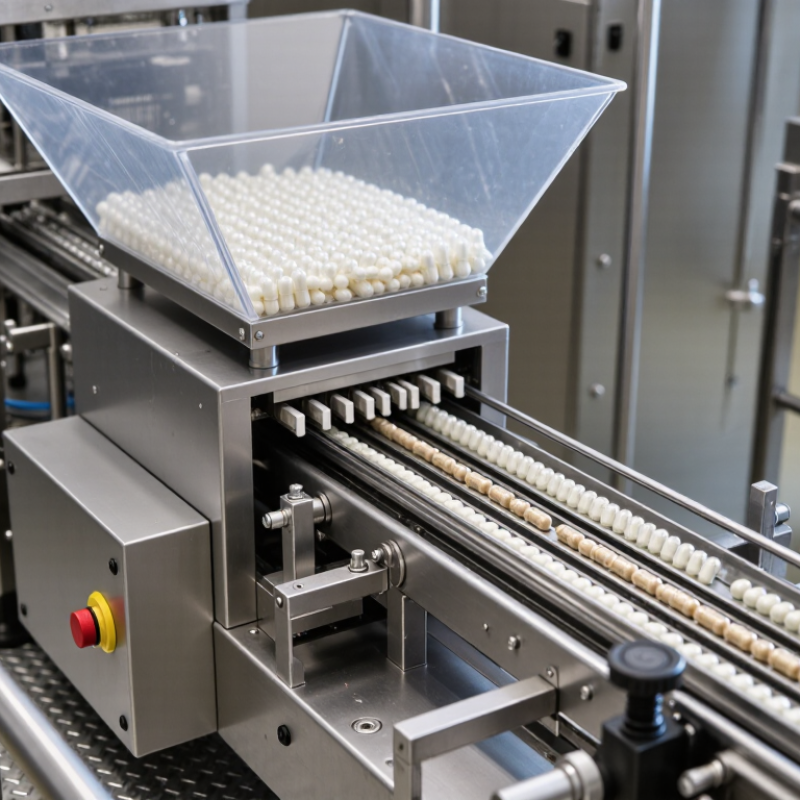
A Capsule Loader Machine transfers empty capsules into a filling system, helping maintain a steady, organized supply for production. Depending on its design, it may orient capsules, separate them into cap and body sections, and feed them to the next station. Picture a hopper, moving tracks, and capsules settling into orderly rows. Small adjustments can matter. A misaligned feed may interrupt the line, while poor cleaning access can make routine maintenance harder. The exact functions vary by model, so specifications deserve a close read.
For a transparent expert-style perspective, the following is an illustrative statement from a fictional composite specialist named Alex Morgan, not a verified quotation: “A reliable capsule loader is judged not only by speed, but by how consistently it feeds capsules and how easily operators can inspect and clean it.” That distinction is useful. A high rated output alone cannot show how a machine performs with a particular capsule size, line layout, or operating routine. Buyers should check compatibility, changeover steps, controls, and service support with the supplier. Ask for a demonstration using relevant production conditions. Then examine the details. Some decisions still involve trade-offs, and marketing claims may not answer every practical question. This guide explains how a Capsule Loader Machine works, which features deserve attention, and what to verify before selecting one.
Definition and Core Purpose of a Capsule Loader Machine
A capsule loader machine transfers empty hard-shell capsules from a bulk supply into a capsule filling machine. Its core purpose is steady, correctly oriented feeding, so the filler can separate capsule bodies from caps and dose them. It does not perform the dosing itself. Depending on the design, loading may use a hopper, a rotating sorting mechanism, and guided tracks that deliver capsules to the filling station. On the floor, the difference is practical: fewer capsules handled by hand, and a more consistent feed during production.
Automation matters, but it is not a magic fix. Deloitte and MAPI’s 2024 Smart Manufacturing and Operations Survey reported that 86% of manufacturing executives viewed smart factory initiatives as a key competitiveness driver over the following five years. That broad finding supports investment in automated equipment, though it does not prove every facility needs a capsule loader. A loader must suit the filler’s format, operating speed, and changeover routine. Operators still need to check for jams, damaged shells, and uneven feeding. Small details matter.
A useful evaluation starts with a real production trial. Watch capsules move through the tracks, especially after a size change. Ask how quickly the unit can be cleaned and reset, and how feed interruptions are detected. A smooth demo is not enough. The machine’s value depends on reliable feeding under the site’s actual conditions, including capsule material, room environment, and operator workflow. Those details can be easy to overlook.
Main Components and Their Functions
What Is a Capsule Loader Machine?
Main Components and Their Functions
A capsule loader machine feeds empty two-piece capsules into a filling machine in a steady, organized flow. Its job is to separate capsules, align them, and present them for the next operation. In practice, performance depends on capsule size, condition, and correct machine setup. Small details matter.
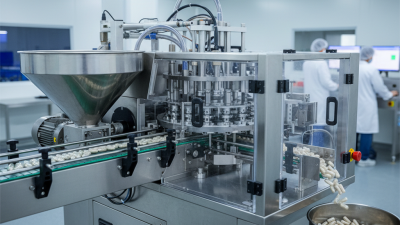
The hopper holds a supply of empty capsules and releases them toward an orienting unit. A rotating bowl or vibrating track guides capsules into a consistent position, usually with their caps and bodies facing the required direction. A separation station uses vacuum or mechanical fingers to split the two halves. This step needs careful adjustment; too much force can damage shells, while too little may leave them joined.
Transfer rails or chutes carry the separated capsule bodies to the filling machine, while caps move along a separate path. Sensors monitor flow and may pause the unit when capsules jam or supplies run low. Control panels let operators adjust speed and settings, and guards help keep hands away from moving parts.
Cleaning access matters, too. It is easy to overlook until residue collects in a narrow track. Operators should check alignment, airflow, and capsule condition during routine inspections.
Common Machine Types and Applications
What Is a Capsule Loader Machine?
Common Machine Types and Applications
A capsule loader machine fills empty two-piece shells with measured powder, pellets, or granules. Small manual units suit formulation trials and low-volume batches. Semi-automatic machines use a powered dosing station, while operators still load and separate capsule bodies. Fully automatic systems handle feeding, filling, closing, and discharge at higher production speeds. Some use tamping pins to compress powder; others use a dosator to place a measured plug. The right choice depends on material flow, batch size, and required output—not just the machine’s rated speed.
Applications range from pharmaceutical production to dietary supplement manufacturing and laboratory-scale testing. Grand View Research estimated the global pharmaceutical manufacturing market at USD 516.26 billion in 2023, reflecting a large and evolving production sector. That figure is broad market context, not a measure of capsule-machine sales. In practice, powder density and moisture can affect fill consistency. A clean-looking machine does not guarantee uniform doses. Small batches matter.
Tips: Test the actual formulation before choosing a dosing system. Check fill-weight variation across several capsules, then inspect shell alignment and closure. Record settings, material conditions, and cleaning steps; otherwise, a repeat run may not reproduce the first result.
What Is a Capsule Loader Machine? - Common Machine Types and Applications
| Machine type |
How it works |
Typical application |
Common advantages |
Key considerations |
| Manual loading tray |
An operator places empty capsules into a tray or loading plate, which aligns them for transfer to a capsule-filling machine. |
Small batches, laboratory work, product development, and occasional production runs. |
Simple operation, low equipment complexity, and straightforward changeover. |
Requires hands-on labor; output depends on operator technique and batch size. |
| Semi-automatic capsule loader |
A mechanical feeder helps orient and position capsules, while an operator supervises loading and may handle some transfer steps. |
Small-to-medium production where a fully automatic feeding system is not required. |
Reduces repetitive manual handling while allowing operator oversight. |
Requires suitable capsule-size parts and coordination with the filling machine. |
| Vacuum capsule loader |
Vacuum conveys empty capsules from a storage container to the filling machine’s capsule hopper or feeding system. |
Production lines that need a steady supply of empty capsules with less manual replenishment. |
Can reduce operator handling and support continuous machine feeding. |
Needs compatible connections, suitable vacuum settings, and cleaning procedures to prevent capsule damage or mix-ups. |
| Automatic capsule orienter and feeder |
A bowl or other mechanical feeding system separates and orients capsules before delivering them in the required direction to downstream equipment. |
Automated capsule-filling lines that require consistent orientation and feeding. |
Provides controlled orientation and can limit manual sorting. |
Must be set up for the capsule dimensions and linked to the downstream machine’s feed rate. |
| Integrated automatic loading system |
A loader is connected directly to a capsule-filling machine and replenishes its hopper as part of an automated production setup. |
Higher-throughput production requiring coordinated operation across connected equipment. |
Reduces routine manual replenishment and supports a more continuous workflow. |
Requires compatibility checks, safe access for cleaning, and suitable controls for the complete line. |
Note: A capsule loader feeds empty capsules to downstream equipment; the capsule-filling machine performs the separate operations of separating capsule bodies and caps, filling, and closing.
Safety, Maintenance, and Selection Considerations
A capsule loader machine transfers empty capsule shells into a position where downstream equipment can use them. Its job sounds simple, but shell orientation, feed consistency, and operator access all affect daily operation. A loose guard or a poorly cleared jam can create avoidable risks. Keep hands away from moving parts, and follow the machine’s isolation procedure before cleaning or troubleshooting. Small details matter.
During routine maintenance, inspect contact surfaces, guides, and feed paths for residue, wear, or misalignment. Clean them using approved methods and record what was checked, even when everything looks normal. Look closely. Dust can collect in corners that a quick wipe misses. Follow the equipment manual for lubrication and replacement intervals; improvising can cause damage or contaminate product-contact areas. Maintenance records also help reveal recurring stoppages that may point to a deeper problem.
Selection should reflect actual throughput needs, capsule sizes, available floor space, and how easily parts can be accessed for cleaning. Compare stated capacity with the conditions your operators will face, not just an ideal test run. Capacity figures can be reassuring, but they may assume steady feeding and uniform shells. Ask how size changes are handled and whether guards, controls, and cleaning access suit your workflow. A careful trial is useful. It may still leave unanswered questions, so document them before purchase.