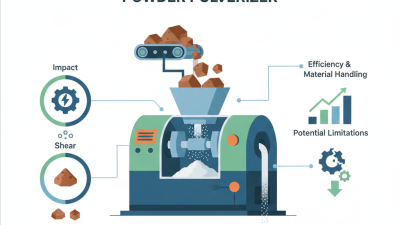
Top Powder Pulverizer for Global Buyers How to Choose?
In the rapidly evolving industrial landscape, choosing the right Powder Pulverizer can significantly impact efficiency and productivity. According to a recent market report by Grand View Research, the global powder processing equipment market is projected to grow at a CAGR of 4.2% through 2027. This highlights the increasing demand for advanced pulverization technologies.
A Powder Pulverizer plays a critical role in various industries, including pharmaceuticals, food processing, and materials science. Selecting the appropriate pulverizer requires understanding specific needs. Factors such as particle size, material properties, and throughput levels should not be overlooked. However, many buyers often struggle with the trade-off between cost and performance.
Choosing the right equipment is not straightforward. Some buyers may prioritize price over quality and regret it later. Investing in the right Powder Pulverizer can enhance production capabilities and maintain a competitive edge. Thus, careful consideration and expert guidance are essential for making informed decisions in this vital area.
Understanding Powder Pulverizers: An Overview of Types and Applications
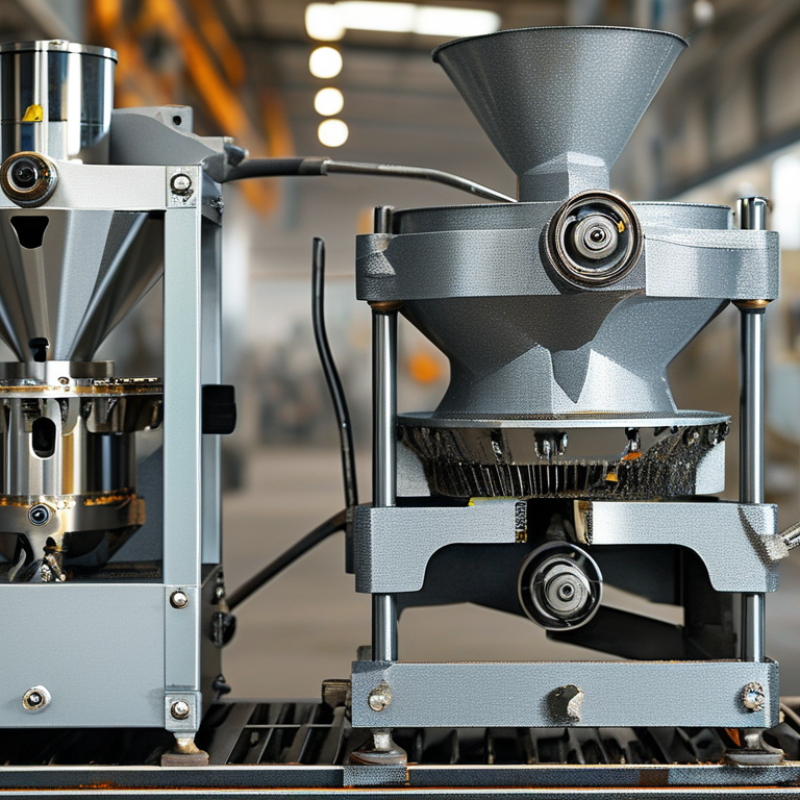
When it comes to powder pulverizers, understanding the types and their applications is essential for global buyers. Powder pulverizers are widely used in various industries. They play a vital role in food processing, pharmaceuticals, and chemical manufacturing. The right choice can significantly affect production quality and efficiency.
Different types of pulverizers exist, each suited for particular materials and desired outcomes. Some common types include hammer mills, jet mills, and ball mills. For instance, jet mills are renowned for creating ultra-fine powders. In contrast, hammer mills are more versatile but may not achieve the same fineness. Industry reports indicate that demand for high-quality powder is increasing, projected to grow at a CAGR of 5.3% over the next five years.
Tips: Consider your material's properties. These include hardness and moisture levels. Always evaluate the desired particle size and output capacity. Manufacturers may have varying capabilities and specs, making it crucial to align your requirements with their offerings. Keep in mind that some pulverizers may require a significant learning curve.
Customization is another area needing attention. Many pulverizers offer adjustable settings, impacting efficiency and end-product quality. Users often overlook maintenance requirements. Regular checks can prevent performance decline. Remember, choosing a pulverizer is not just about functionality; it's about building a reliable production system.
Key Features to Look for in a High-Quality Powder Pulverizer
When choosing a powder pulverizer, several key features can guide global buyers. A high-quality pulverizer should offer precise particle size control. According to industry standards, particle sizes should range from 10 to 100 microns for most applications. Buyers should look for models with adjustable settings to achieve the desired consistency efficiently.
Another essential feature is the material of construction. Stainless steel and high-carbon steel are preferred for their durability and resistance to wear. A report from the Global Powder Coating Market suggests that better materials can extend the machinery’s lifespan, thus providing better value. Additionally, noise levels should be considered. Many pulverizers operate at decibel levels above acceptable limits. Working in quieter environments helps maintain worker safety and comfort.
Buyers might also question power efficiency. Many pulverizers consume excess energy while operating. According to energy usage reports, choosing a model with lower energy consumption can lead to significant savings over time. Additionally, maintenance costs are vital. Some machines require more frequent servicing, indicating a flaw in design. Evaluating these aspects ensures choosing a reliable and efficient powder pulverizer suitable for varied applications.
Top Powder Pulverizer for Global Buyers - Key Features to Look for in a High-Quality Powder Pulverizer
| Feature |
Description |
Importance |
| Material Type |
Compatibility with various materials such as metal, plastic, and ceramics. |
Ensures versatility and application in different industries. |
| Power Ratings |
Higher power ratings result in better performance and efficiency. |
Critical for meeting production requirements. |
| Particle Size Range |
Ability to process different particle sizes from coarse to fine. |
Contributes to product quality and application suitability. |
| Operational Safety |
Inclusion of safety features like emergency shut-off and dust containment. |
Essential for worker safety and compliance with regulations. |
| Maintenance Requirements |
Ease of maintenance and part replacement. |
Influences downtime and long-term operational costs. |
| Energy Efficiency |
Design and features that reduce power consumption. |
Important for cost savings and environmental impact. |
Comparative Analysis of Top Brands in the Powder Pulverizer Market
Choosing the right powder pulverizer involves a detailed understanding of various brands and their features. A comparative analysis reveals insights into factors such as efficiency, durability, and ease of maintenance. Popular models excel in crushing hard materials while also being versatile, but they can vary in performance. Buyers should consider their specific needs when evaluating options.
Tips: Always check user reviews. Real-life experiences provide valuable insights. Don't overlook warranty terms. A robust warranty often reflects brand confidence.
When examining top brands, attention to material construction is crucial. High-quality materials result in longer-lasting machines. However, some brands tend to rely heavily on marketing rather than substance. This discrepancy can lead consumers to make uninformed choices. Research is vital.
Tips: Create a checklist of features you need. Prioritize essential functions to streamline your selection.
Exploring the operational features of each model is important. Some come with advanced technology, enhancing precision. Others might offer simpler solutions. Yet, advanced models may complicate usage for new buyers. Balancing innovation with usability is essential. Be open to feedback and reassess your preferences regularly.
Market Trends: Demand for Powder Pulverizers in Different Industries
The demand for powder pulverizers has surged across various industries. According to a recent market analysis by Grand View Research, the global powder pulverizer market is projected to reach $4.62 billion by 2025. This growth can be attributed to the increasing need for fine powders in pharmaceuticals, food processing, and chemical manufacturing.
Pharmaceutical companies rely on advanced pulverizers for creating active ingredients. Finer powder consistency ensures better bioavailability, leading to more effective medications. In the food industry, pulverizers facilitate the creation of powdered spices and ingredients, catering to the rise in demand for convenience foods. The chemical sector also benefits from improved particle sizes for reactions and formulations.
Tips: Always assess your specific requirements before making a purchase. Consider factors like material compatibility and energy efficiency. Not all pulverizers are built the same; each industry has unique needs. Undoubtedly, some users report issues with maintenance and resulting downtime. A thorough understanding of your operational environment is key to selecting the right equipment.
Demand for Powder Pulverizers in Different Industries
Factors Influencing the Cost of Powder Pulverizers and Potential ROI
When selecting a powder pulverizer, cost considerations are crucial. A report by IBISWorld indicates that the average market price for pulverizers ranges from $15,000 to $50,000. Factors such as material, size, and capacity heavily influence pricing. More advanced models offer features like enhanced durability and efficiency, which can lead to higher initial investment.
Potential return on investment (ROI) plays a key role in making an informed choice. According to Market Research Future, companies can expect an ROI of up to 35% with high-efficiency pulverizers. This is attributed to reduced operational costs and enhanced production rates. However, it’s essential to carefully analyze the total cost of ownership, which includes maintenance and operational costs over time.
It is also important to realize that not all systems will yield anticipated performance. Some users might experience higher wear and tear on components than expected, potentially leading to unexpected expenses. Regular assessments of equipment performance can help mitigate risks. Balancing initial costs with long-term benefits is vital for maximizing investment in powder pulverizers.