Top 10 Powder Mixers You Need for Global Sourcing?
In the world of manufacturing and product development, choosing the right equipment is essential for success. When it comes to blending materials, Powder Mixers play a vital role in ensuring uniform consistency. These machines are crucial for various industries, including pharmaceuticals, food processing, and chemicals. Selecting the best powder mixer can significantly affect production quality.
With numerous options on the market, it’s easy to feel overwhelmed. Each mixer comes with unique features tailored for specific needs. Some mixers excel in speed, while others focus on volume. Buyers must consider the material types, particle sizes, and desired outcomes. The wrong choice can lead to inefficiencies and increased costs.
Many businesses discover that relationships with suppliers are just as important as the equipment itself. Trustworthy suppliers offer valuable insights into the most suitable powder mixers for specific applications. However, even the best equipment requires regular maintenance and occasional updates. Ignoring this aspect can result in reduced performance and compromised product quality. Thus, careful selection and ongoing evaluation are key to long-term success in global sourcing.
Essential Features to Consider When Choosing a Powder Mixer
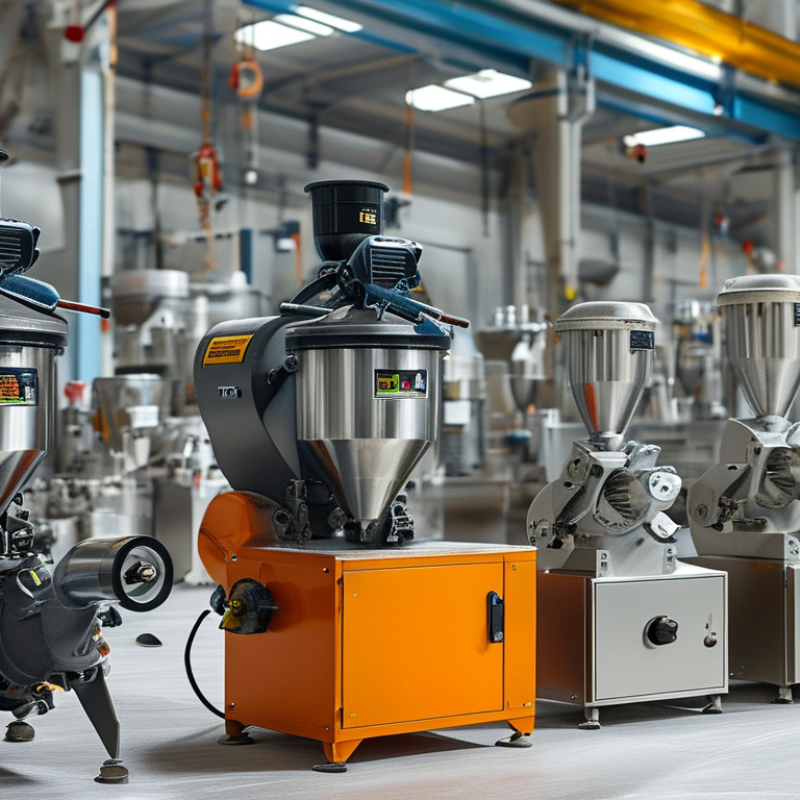
When selecting a powder mixer, consider key features that enhance performance and efficiency. The mixing capacity is crucial. Research indicates that a mixer should handle at least 10%-20% more than your largest batch. This ensures consistency without straining the equipment. Look for variable speed options; they allow for tailored mixing, improving end product quality.
Another important aspect is the mixer’s construction material. Stainless steel is preferred for its durability and resistance to corrosion. According to industry reports, machines built with high-quality materials have a longer lifespan, reducing the costs associated with repairs or replacements. Additionally, focus on design features that facilitate easy cleaning and maintenance. A mixer with a simple disassembly process can save significant downtime.
Consider noise levels as well. Studies show that excessive noise can be a workplace hazard, affecting employee productivity and safety. Choosing a mixer with lower operational noise can contribute to a better working environment. Also, take into account energy efficiency ratings. Energy-efficient models may have a higher upfront cost but lead to savings on utility bills over time. Reflecting on these features can guide you towards selecting an optimal powder mixer.
Top Brands in Powder Mixers for Global Sourcing
Powder mixers play a crucial role in various industries, including food, pharmaceuticals, and cosmetics. Each sector demands precision and reliability from their mixing equipment. According to a recent market report, the global powder mixer market is expected to grow by 5% yearly, driven by advancements in technology and increasing demand for quality ingredients.
Leading brands in this market focus on enhancing user experience and improving efficiency. For instance, many manufacturers prioritize ergonomic designs and easy-to-clean features. This approach not only enhances safety but also optimizes the mixing process, making operations smoother and faster. Market data indicates that businesses often prefer mixers with adjustable speed settings for better control over the mixing process.
When sourcing mixers, consider the mixer's capacity in relation to your production needs. A mixer's performance can vary greatly based on its size and design. Engaging with suppliers who prioritize innovation can lead to significant gains in productivity. Quality assurance processes can help minimize defects, which is often a reflection of a brand's dedication to reliability. Ensuring that your chosen equipment meets industry standards can safeguard against potential compliance issues and ensure consistent results.
Top 10 Powder Mixers for Global Sourcing
| Mixer Type |
Capacity (L) |
Power (kW) |
Mixing Time (min) |
Weight (kg) |
| V-type Mixer |
100 |
5.5 |
15 |
250 |
| Ribbon Blender |
200 |
7.5 |
10 |
350 |
| Paddle Mixer |
150 |
5 |
12 |
280 |
| Cone Blender |
120 |
6 |
14 |
230 |
| Screw Mixer |
250 |
10 |
8 |
400 |
| Planetary Mixer |
80 |
4 |
16 |
200 |
| High Shear Mixer |
60 |
3 |
5 |
150 |
| Drum Mixer |
300 |
12 |
20 |
500 |
| Batch Mixer |
50 |
2 |
6 |
100 |
| Homogenizer |
30 |
1.5 |
4 |
80 |
Comparative Analysis of Powder Mixer Types and Their Applications
When sourcing powder mixers globally, understanding the types available is essential. Each mixer has unique features and applications. For instance, ribbon blenders are great for bulk powders. Their design promotes even mixing. However, they may leave unmixed particles if not monitored closely. Planetary mixers work well for viscous materials. They provide consistent results but require careful setup.
Hygienic considerations are important. Some mixers are designed for easy cleaning. This is crucial in food and pharmaceutical industries. If hygiene is neglected, contamination could occur. A thorough assessment of mixer types will inform better sourcing decisions.
In the market, different applications suit different mixers. It’s worth noting that certain mixers might perform poorly under specific conditions. Users should test if a machine matches their needs. Consider the material being mixed. Particle sizes can influence mixer choice. Not all mixers accommodate various sizes equally. A mismatch could lead to inefficiencies.
Critical Review of User Feedback and Ratings for Powder Mixers
The demand for efficient powder mixers in various industries continues to rise. A recent industry report highlights that the global powder mixing market is expected to grow significantly, reaching a value of approximately $2 billion by 2025. User feedback indicates varying levels of satisfaction with different models, emphasizing the need for thorough evaluation prior to purchase.
One critical area of concern is ease of cleaning. Users frequently report that certain models are challenging to maintain. This can lead to contamination risks, especially in food and pharmaceutical applications. Additionally, while some mixers offer advanced features, they may lack durability or reliability, resulting in mixed ratings. Not all models perform equally under different operational settings, so users must consider their specific requirements.
Another factor is the noise level during operation. Many users find that quieter models are not always available within budget constraints. Balancing performance with affordability can be tricky. User reviews provide insight into real-world usage, revealing that some mixers fail to live up to marketing claims. Being aware of these nuances can guide users in making more informed decisions in the purchasing process.
Cost Comparison: Budget-Friendly vs. Premium Powder Mixers
When considering powder mixers, a cost comparison is essential. Many options exist in the market, divided into budget-friendly and premium categories. Budget mixers often appeal to startups and small businesses. They may lack advanced features but can handle basic mixing tasks effectively. These models typically offer decent performance at a lower price point.
On the other hand, premium mixers provide enhanced performance. They often come with superior technology and durability. Users can expect better consistency and efficiency, particularly in larger operations. However, the higher initial investment can be a hurdle for many.
It’s important to weigh these factors carefully. While budget-friendly options may save money initially, they can lead to higher operational costs over time. Premium mixers often bring long-term savings due to their efficiency and reliability. Reflecting on your specific needs is crucial. Investing in a more costly mixer might result in better value in the long run. Consider your production goals when making a decision.