What is a Tablets Press Machine and How Does It Work?
The "Tablets Press Machine" is a vital piece of equipment in the pharmaceutical industry. According to a recent market report, the global tablets press machines market is projected to grow at a CAGR of 5.2% over the next five years. This growth highlights increasing demand for efficient production in pharmaceutical manufacturing. Industry expert Dr. Jane Smith notes, "The efficiency of a Tablets Press Machine can significantly reduce production costs while improving output quality."
Despite its advantages, there are challenges operators face. For instance, maintaining consistent tablet quality can be tricky. Variations in composition can lead to different results. Technical operator training is essential for optimal performance. Without it, the results may not meet expected standards. This raises questions about ensuring adequate training and equipment maintenance in production facilities.
As the industry evolves, technology may change the landscape of tablet production. Issues often arise during the transition to new machines or methodologies. Manufacturers need to be agile and adaptable. Understanding how a Tablets Press Machine works is crucial for future advancements. The technology is not flawless; ongoing refinement and assessment are necessary for sustained success.
What is a Tablet Press Machine?
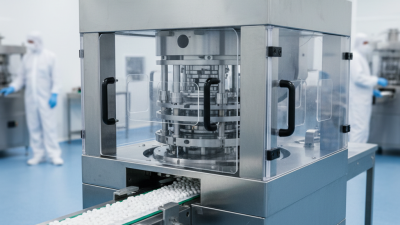
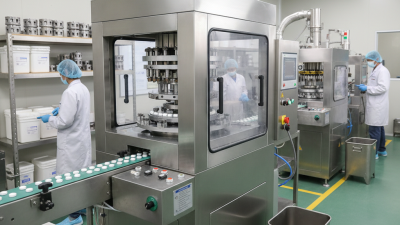
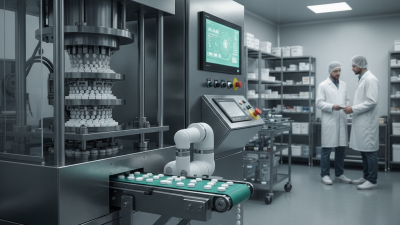
A tablet press machine is crucial in pharmaceutical manufacturing. It compacts powders into tablets, ensuring uniformity and dosage accuracy. These machines apply both pressure and mechanical force. This process transforms loose powders into solid forms efficiently.
According to a recent report from Technavio, the global tablet press machine market is expected to grow by 5% annually. These machines are essential for large-scale production in the pharmaceutical sector. They can produce thousands of tablets per hour. However, consistency can be a challenge. Variations in powder properties can lead to discrepancies.
Operators must fine-tune settings to maintain quality. Each formulation may require adjustments in pressure and speed. It's surprising how small changes can impact the final product. The complexity of the machines requires skilled personnel to oversee operations. Inefficiencies can lead to costly waste and delays. Therefore, continuous training and evaluation of processes are key to success in this industry.
What is a Tablets Press Machine and How Does It Work?
| Feature |
Description |
Functionality |
| Type |
Rotary Tablet Press |
Efficient production of tablets |
| Production Capacity |
Up to 300,000 tablets per hour |
High rate of mass production |
| Die Types |
Standard and Custom Dies |
Versatile tablet shapes and sizes |
| Operation |
Automated |
Minimized manual input required |
| Safety Features |
Emergency Stop, Safety Guards |
Protects operators and equipment |
| Maintenance |
Regular Lubrication and Cleaning |
Ensures machine longevity and efficiency |
The Components of a Tablet Press Machine
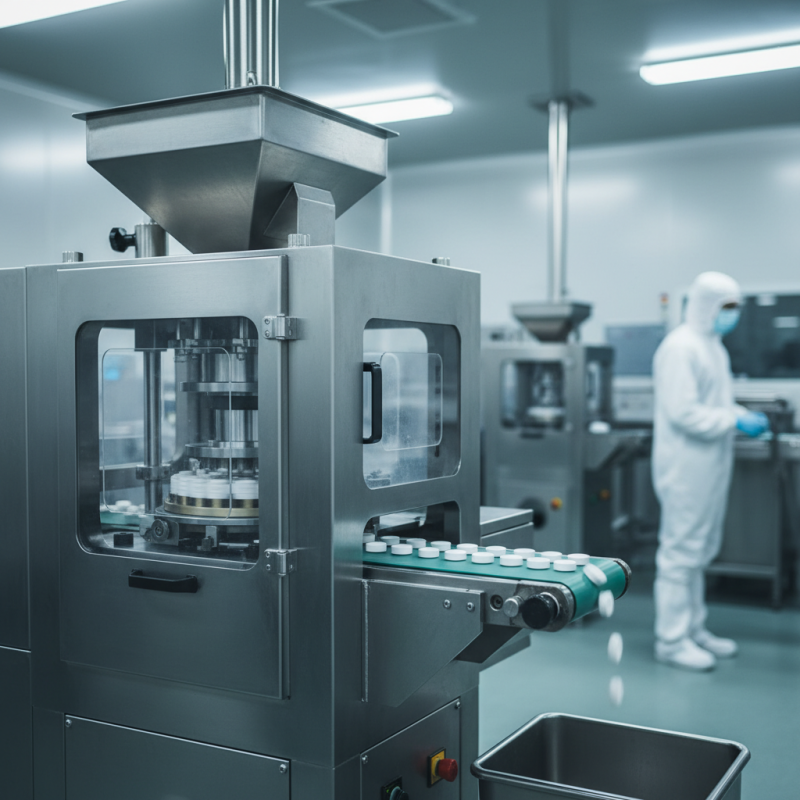
A tablet press machine is essential in pharmaceutical manufacturing. Its main components work in harmony to produce tablets efficiently. The machine includes a hopper, where raw material is stored. This material is then funneled into dies. The dies form the shape of the tablet.
The main pressure mechanism is crucial. It compresses the powder into a solid dose. Different machines use various methods to achieve this. Some employ hydraulic systems, while others use mechanical ones. Each method has its pros and cons. Sometimes, achieving the right pressure can be tricky. Too much pressure may lead to a brittle tablet.
Additionally, operators must pay attention to the feed system. An uneven flow can lead to inconsistencies in tablet weight and quality. Some machines have sophisticated systems to maintain uniformity. Yet, operational challenges remain. Monitoring this process is key, as small deviations can cause significant production issues. Regular checks and adjustments are often necessary.
How the Tablet Pressing Process Works
The tablet pressing process transforms powders into solid tablets. It begins with powder preparation. Selecting the right materials is crucial. The quality of the powder impacts the final product.
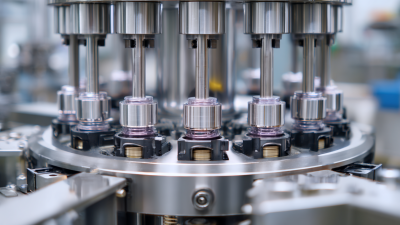
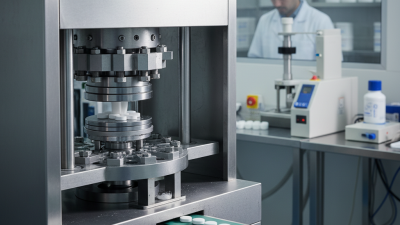
Next, the powder is fed into the tablet press machine. This machine uses a combination of pressure and speed to form tablets. The die holds the powder while punches compress it. This action creates uniform tablets with defined shapes.
Tips: Always monitor the powder flow. Uneven flow can lead to inconsistent tablet sizes.
After pressing, the tablets may need coating. This helps with taste and stability. Inspecting the tablets after production is essential. Remember, flaws can occur. Sometimes, tablets may crumble or exhibit cracks.
Tips: Regular machine maintenance ensures smooth operations. Cleaning the die area prevents contamination.
Testing the final product is vital too. Quality checks help maintain standards. Small adjustments in the process can significantly impact the quality of tablets.
Types of Tablet Press Machines and Their Applications
Tablet press machines are essential in the pharmaceutical and food industries. They are designed to compress powder into solid tablets. Knowing the different types of machines helps in selecting the right one for specific needs.
There are mainly two types of tablet press machines: single punch and rotary.
Single punch machines are simple, suitable for small-scale production. They work one tablet at a time. On the other hand, rotary press machines can produce thousands of tablets in a short time. They are ideal for high-volume manufacturing.
Tips: Always maintain your machines. Regular checks ensure efficiency and quality. Pay attention to wear and tear.
Small issues can lead to larger problems. Additionally, ensuring proper training for operators is crucial. With skilled personnel, the quality of production improves significantly. Remember,
investing in quality machines often pays off in the long run.
Maintenance and Troubleshooting of Tablet Press Machines
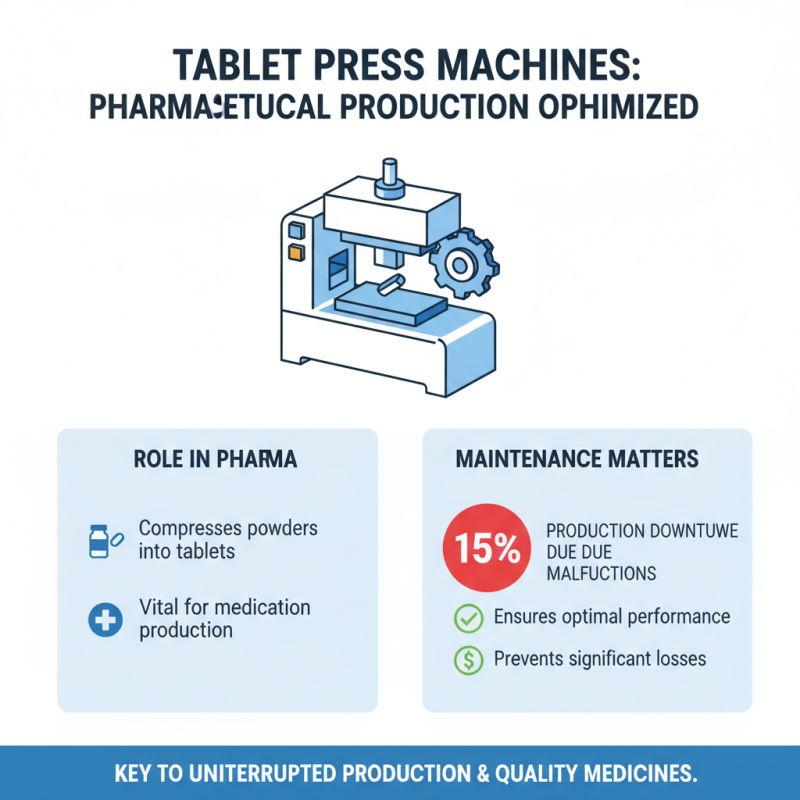
Tablet press machines are vital in the pharmaceutical industry. They compress powders into tablets. Regular maintenance is crucial for optimal performance. In fact, according to recent industry reports, approximately 15% of production downtime is linked to equipment malfunctions. This can lead to significant losses.
Taking proactive steps can prevent many issues. Ensure that all moving parts are properly lubricated. Clean the machine regularly to avoid contamination. Small debris can cause unexpected breakdowns and affect tablet quality. Use a checklist for routine inspections. Check the hydraulic system, electrical connections, and dies for wear. Consistent monitoring can extend the lifespan of the machine.
Here’s a tip: document all maintenance activities. This creates a history of the machine's performance. If problems arise, you can analyze past issues. Also, don’t ignore minor disturbances during operation. Often, they hint at underlying issues that may worsen if left unaddressed. A small issue can lead to a major malfunction. Stay vigilant, and you’ll improve overall efficiency.