
Leave Your Message
Blog

Blog

What are Tableting Machines and How Do They Work?

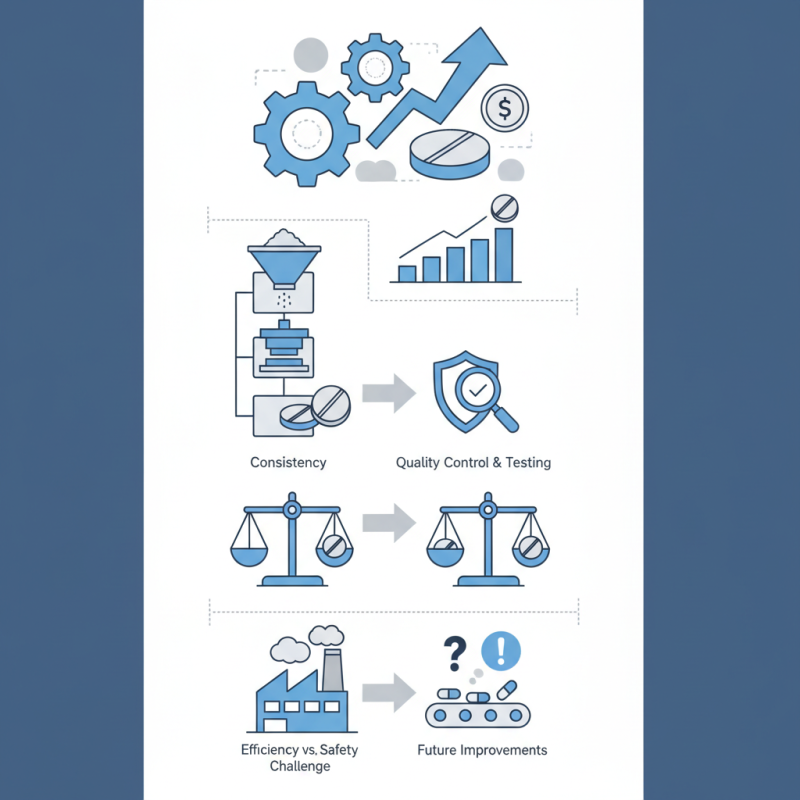
Tableting Machines play a crucial role in the pharmaceutical and nutraceutical industries. According to a report by Market Research Future, the global tablet manufacturing market is expected to reach $70 billion by 2023. This growth highlights the importance of efficient tableting equipment in meeting increasing demands.

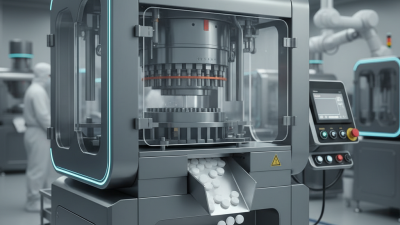
These machines compress powders into tablets, ensuring proper dosage and consistency. The process involves distinct stages like filling, compression, and ejection. Precise control of pressure and speed is essential. However, inconsistencies in tablet weight can occur, impacting effectiveness and safety. Industry standards require rigorous testing to address this issue.

In summary, Tableting Machines are key to mass production. Yet, manufacturers must remain vigilant about quality control. Balancing efficiency with safety remains a challenge. Despite technological advancements, further improvements are needed to enhance reliability in tablet production.
What are Tableting Machines and How Do They Work?

Understanding the Basics of Tableting Machines

Tableting machines play a crucial role in the pharmaceutical and nutraceutical industries. They are used to compress powdered materials into tablets. The process involves mixing the active ingredients with excipients, which help in binding and stabilizing the compound. The mixture is then fed into the machine, where it is compressed into uniform tablets under high pressure. This ensures consistency and efficacy in the final product.

One tip for optimizing the tableting process is maintaining the correct feed rate. If the feed rate is too high, it can lead to uneven tablet weight. Adjusting parameters like pressure and dwell time is also essential. Operators should regularly check for machine wear and tear. A small flaw in the machinery can result in defects in every tablet produced.

Another aspect to consider is the formulation of the powder itself. Not all materials compress equally well. Surprising results can arise from using differing excipients or changing the granulation process. Some may find that tablets crumble easily, while others might be too hard. Finding the perfect balance often requires experimenting with various ratios and methods. It’s a continuous learning curve for manufacturers.

What are Tableting Machines and How Do They Work?

Feature Description
Functionality Used to compress powder mixtures into tablets by exerting pressure.
Components Includes a hopper, feeder, compression chamber, and ejection system.
Types Single-station, double-station, and rotary tablet presses.
Process Powder is filled into dies, compressed, and then ejected as tablets.
Applications Pharmaceuticals, nutraceuticals, and food supplement manufacturing.
Advantages High production capacity, precision, and consistency in tablet quality.
Limitations Requires careful formulation and may generate dust during operation.

Types of Tableting Machines and Their Applications

Tableting machines play a vital role in various industries, especially in pharmaceuticals. These machines compress powdered substances into tablets. They ensure uniformity, potency, and stability. There are several types of tableting machines to meet diverse needs.

Single-station presses are commonly used for small-scale production. They combine convenience and efficiency but may lack the speed required for mass production. Rotary machines, on the other hand, can handle thousands of tablets per hour. This high throughput is critical for larger operations. According to a recent industry report, the global market for tableting machines is projected to grow by 8% annually. Such growth reflects increasing demand for tablets in various therapeutic areas.

Another type is the high-speed hydraulic press. This machine excels in producing highly engineered tablets. However, it requires meticulous monitoring during operation. Any fluctuation can affect quality. The choice of a machine often depends on production needs, scale, and the specific properties of the materials involved. While many machines are reliable, they also present challenges that require careful consideration and adjustment.

Key Components of a Tableting Machine

Tableting machines play a critical role in the pharmaceutical and supplement industries. They compress powders into tablets, ensuring uniformity and consistency. Key components of these machines include the feeder, die, punch, and compression area. Each part contributes to the tablet formation process.

The feeder delivers powdered material to the die. Precise flow rates are crucial here. A recent study indicated that improper feeding could lead to variations in tablet weight by up to 15%. The die shapes the material, which is then compressed by the punch. The types of punches used can vary significantly, impacting tablet hardness and disintegration time.

Pressure applied during compression is vital. Reports suggest that optimal pressure levels can range from 5 to 30 tons, depending on the material. Moreover, the settings need constant monitoring. Small variations can result in subpar tablets. These complexities highlight the importance of training and experience in operating tableting machines. Even a minor error can lead to costly production issues. Continuous improvements in technology may help address some challenges, but manual oversight remains essential for quality control.

The Tableting Process: A Step-by-Step Guide

What are Tableting Machines and How Do They Work?

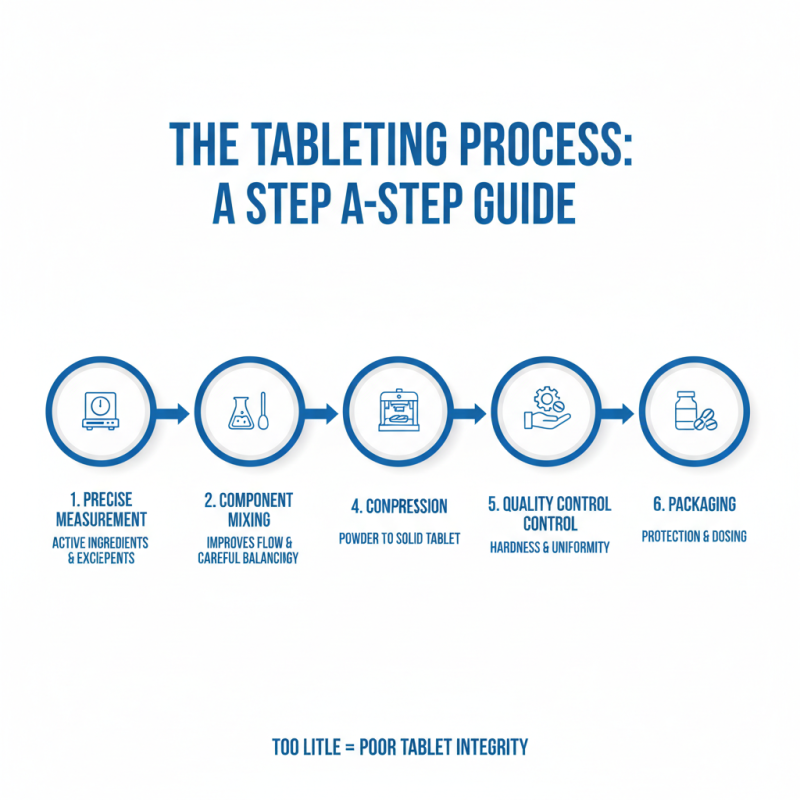
The tableting process transforms powders into solid doses. It starts with precise measurement of the ingredients. These components include active pharmaceutical ingredients and excipients. Each formulation needs careful balancing. Too little of one ingredient can lead to poor tablet integrity.

Next, the ingredients are mixed thoroughly. This step ensures uniform distribution of the active compound. If the mixture is uneven, it may result in inconsistent drug delivery. After mixing, the blend is granulated. This reduces dust and improves flowability. Granulation can be a challenging step; achieving the right moisture level is crucial.

The final phase involves compaction. The dry blend is fed into the tableting machine. High pressure compresses it into tablets. This stage can be unpredictable. Variations in pressure or moisture can affect tablet hardness and disintegration. Operators must monitor these factors closely. Even with modern machines, the human element still plays a key role. Adjustments and calibrations are necessary to ensure quality. This process highlights the complexity and precision required in tablet manufacturing.

Maintenance and Troubleshooting of Tableting Machines

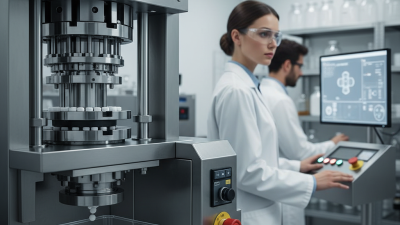
Maintaining tableting machines is crucial for optimal performance. Regular checks on parts, such as punches and dies, can help prevent issues. A well-maintained machine produces consistent tablet quality.

Tips: Schedule monthly inspections. Look for signs of wear on the tools. Clean the parts thoroughly after use to avoid contamination.

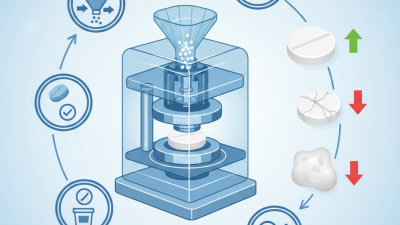
Troubleshooting often reveals common problems. Tablets may break or crumble during production. This could be due to insufficient pressure or die wear. It’s essential to reassess machine settings regularly.

Tips: Adjust compression settings carefully. Monitor tablet weight and hardness closely. Keep detailed logs of any issues for future reference.

Unexpected machine downtime can be frustrating. Knowing how to identify problems early can save time. However, not every malfunction can be predicted. Embrace the challenges and learn from them. Regular training can enhance skills in machine operation and maintenance.

Tableting Machines Efficiency and Common Issues