How to Use a Tablet Presser for Perfect Tablet Formation?
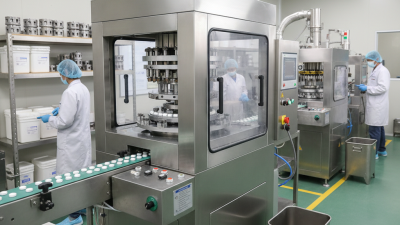
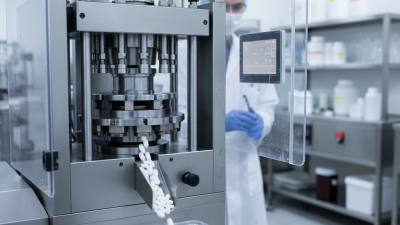
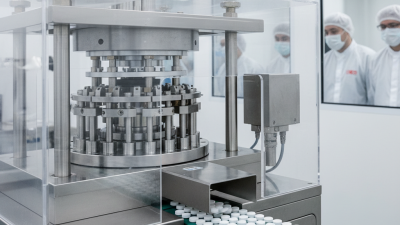
The Tablet Presser is a crucial tool in pharmaceutical manufacturing. It shapes and compresses granules into tablets, ensuring uniformity and quality. Dr. Emily Carter, an expert in pharmaceutical engineering, emphasizes, "A precise Tablet Presser can transform raw material into perfectly formed doses."
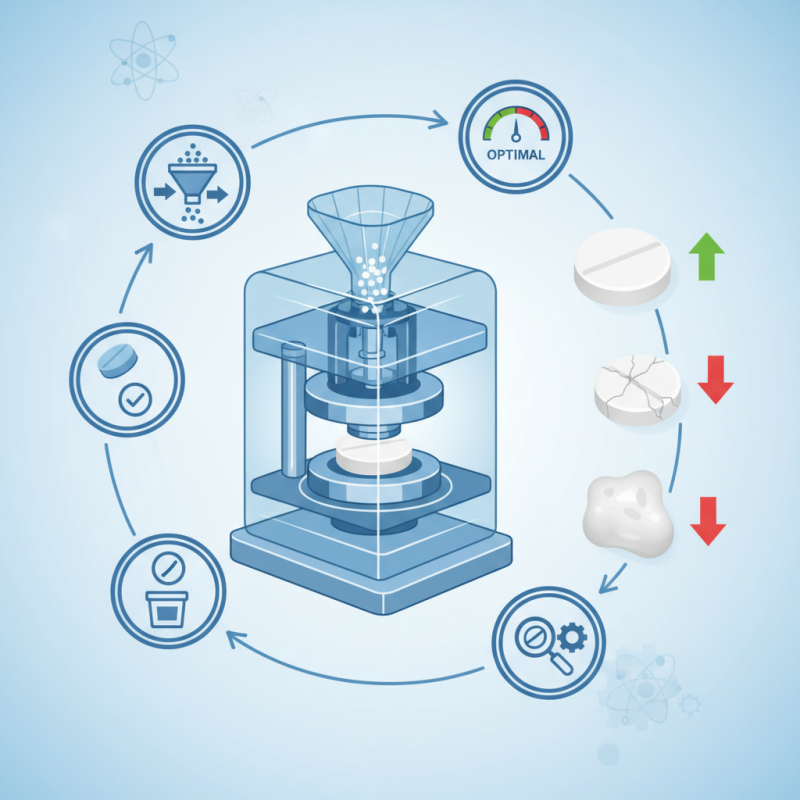
Proper use of a Tablet Presser is essential for optimal tablet formation. Many users overlook small adjustments that can make a significant difference. For instance, insufficient pressure may lead to weak tablets, while excessive pressure can cause defects.
It's vital to monitor the settings closely. A poorly calibrated Tablet Presser can result in a whole batch of unusable tablets. Each step, from powder flow to compression force, influences the final product. Engaging with these details not only enhances the output but also fosters a culture of quality and precision in the manufacturing process.
Understanding the Basics of Tablet Pressing Technology
Tablet pressing technology is crucial in pharmaceutical manufacturing. Understanding its basics can lead to consistent quality in tablet formation. This process involves compressing powder into solid dosage forms. A study by the International Society for Pharmaceutical Engineering indicated that poor tablet uniformity can occur in up to 20% of batches.
Key aspects include material flow and compaction. The powder's flow characteristics directly affect tablet density and hardness. A report from the American Association of Pharmaceutical Scientists noted that inadequate flow can lead to defective tablets. It's vital to assess the powder’s compressibility before production. Engineers should consider using a range of additives to improve flow properties.
Technological advancements have introduced modern tablet pressers that enhance efficiency. However, these machines come with challenges. Operators must frequently recalibrate settings. Even a minor adjustment can lead to significant variations in tablet quality. Inadequate monitoring can result in inconsistent dosages, impacting efficacy. Understanding these details is essential for perfect tablet formation. Proper training and ongoing education in tablet pressing can mitigate many of these issues.
Step-by-Step Process for Preparing Materials for Tablet Formation
Preparing materials for tablet formation is a crucial step in achieving perfect tablets. Begin by selecting the right ingredients. Ensure that your active pharmaceutical ingredients and excipients are finely powdered. This aids in uniformity during tablet formation. However, achieving the right particle size can be tricky. Sometimes, larger particles remain, causing inconsistencies.
Next, thoroughly blend your materials. Use a suitable mixing technique to avoid segregation. This step is often overlooked, yet it is key to uniform tablet properties. It's easy to rush this process, but doing so can lead to problems later. Strive for a homogenous mixture, but remember, perfection is rarely achieved on the first try.
Once blended, the granulation process begins. This step involves adding a binding agent. Care must be taken to use the right amount. Too little may not hold the tablets together, while too much can lead to excess moisture. The granules should be dried properly. They need to be granulated evenly; uneven drying can result in weak tablets. Reflecting on past attempts can be beneficial. Each step holds the possibility of improvement.
Tablet Formation Material Preparation Process
This chart displays the different steps in the tablet formation process along with the estimated time required for each step. The data demonstrates the importance of each phase in achieving perfect tablet formation.
Adjusting Pressure and Speed for Optimal Tablet Quality
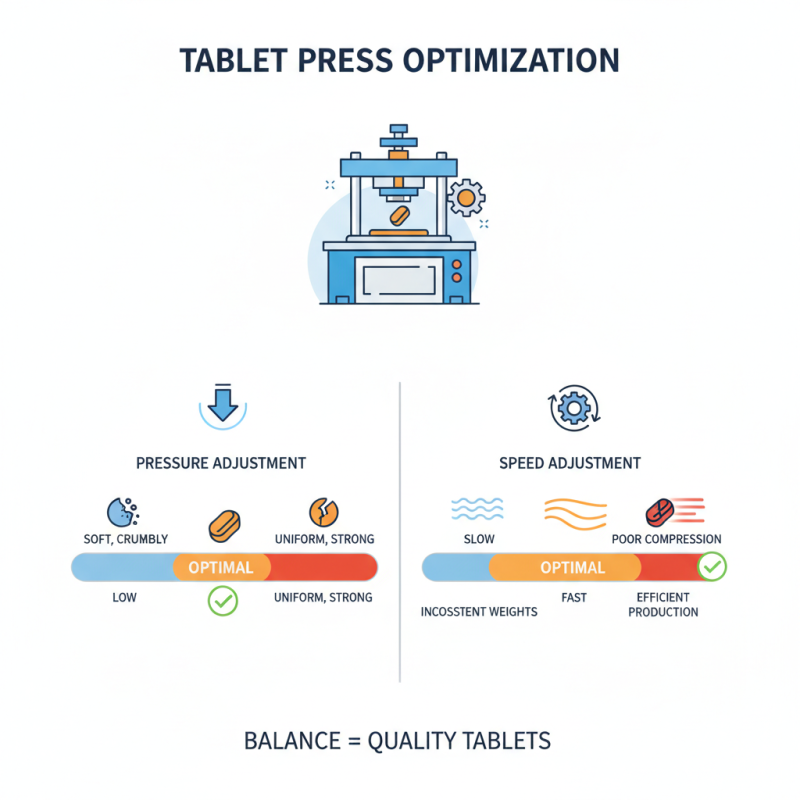
When using a tablet presser, adjusting pressure and speed is crucial for achieving optimal tablet formation. The right pressure ensures that the powder mass compresses evenly, resulting in a uniform tablet. If the pressure is too high, it can lead to brittle tablets that break easily. Conversely, low pressure yields soft tablets that may crumble. Finding the sweet spot in pressure is vital.
Speed is equally important. A faster speed can lead to inconsistent tablet formation. It may not allow the material to settle properly. Slower speeds often yield better results, giving the powder time to compact. This balance can be challenging to achieve. Experimenting with both speed and pressure settings is necessary.
**Tips:** Always start with small batches during testing. Observe how changes impact tablet quality. Record each adjustment meticulously. If tablets are breaking, reduce the pressure incrementally. Monitor the speed as well since adjustments can affect each other. Sometimes trial and error is the best approach. Keep a detailed log; it acts as a valuable reference for future productions.
Best Practices for Maintenance and Troubleshooting Tablet Pressers
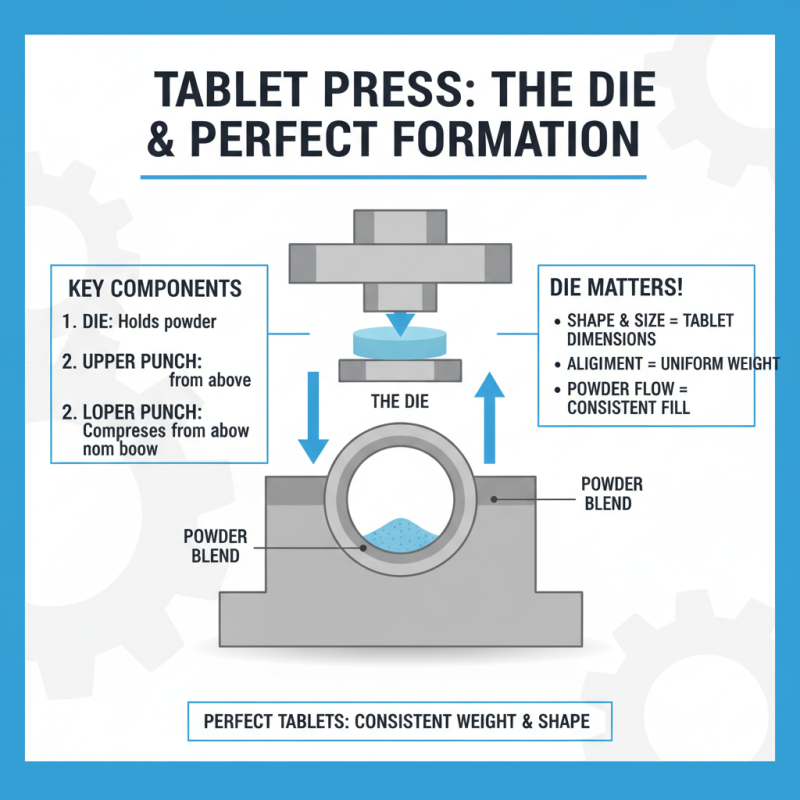
Maintaining a tablet presser is crucial for optimal performance. A clean machine ensures better tablet quality. Regularly check for dust and debris in the compression area. Neglecting this can lead to uneven tablet formation. It's important to inspect the dies and punches. Wear and tear over time may affect the pressure applied to the tablets. Monitor these components closely to avoid costly repairs.
Troubleshooting a tablet presser can be challenging. Start by identifying any unusual sounds during operation. These could indicate misalignment or mechanical failure. A simple adjustment might resolve the issue. Inconsistent tablet weight is another common problem. This could stem from incorrect powder flow or inadequate pre-compression. Testing different settings can lead to improvements.
It’s essential to document maintenance and repairs. Tracking historical data can highlight recurring issues. These records may reveal patterns that need addressing. Don’t overlook the importance of operator training. Untrained personnel can inadvertently cause problems. Encourage regular feedback from operators. Their insights can help improve operations. Always be ready to refine processes and enhance tablet quality.