2025 Guide: How Oral Thin Film Pouching Revolutionizes Pharmaceutical Delivery
As we look ahead to 2025, the pharmaceutical industry stands on the brink of a transformative advancement with the adoption of Oral Thin Film Pouching technology. This innovative approach to drug delivery not only promises to enhance bioavailability and patient compliance but also offers a more efficient method for administering medications.
Oral Thin Film Pouching is designed to deliver drugs in a compact, dissolvable format that eliminates the need for traditional methods of ingestion, thereby providing a convenient solution for both providers and patients.
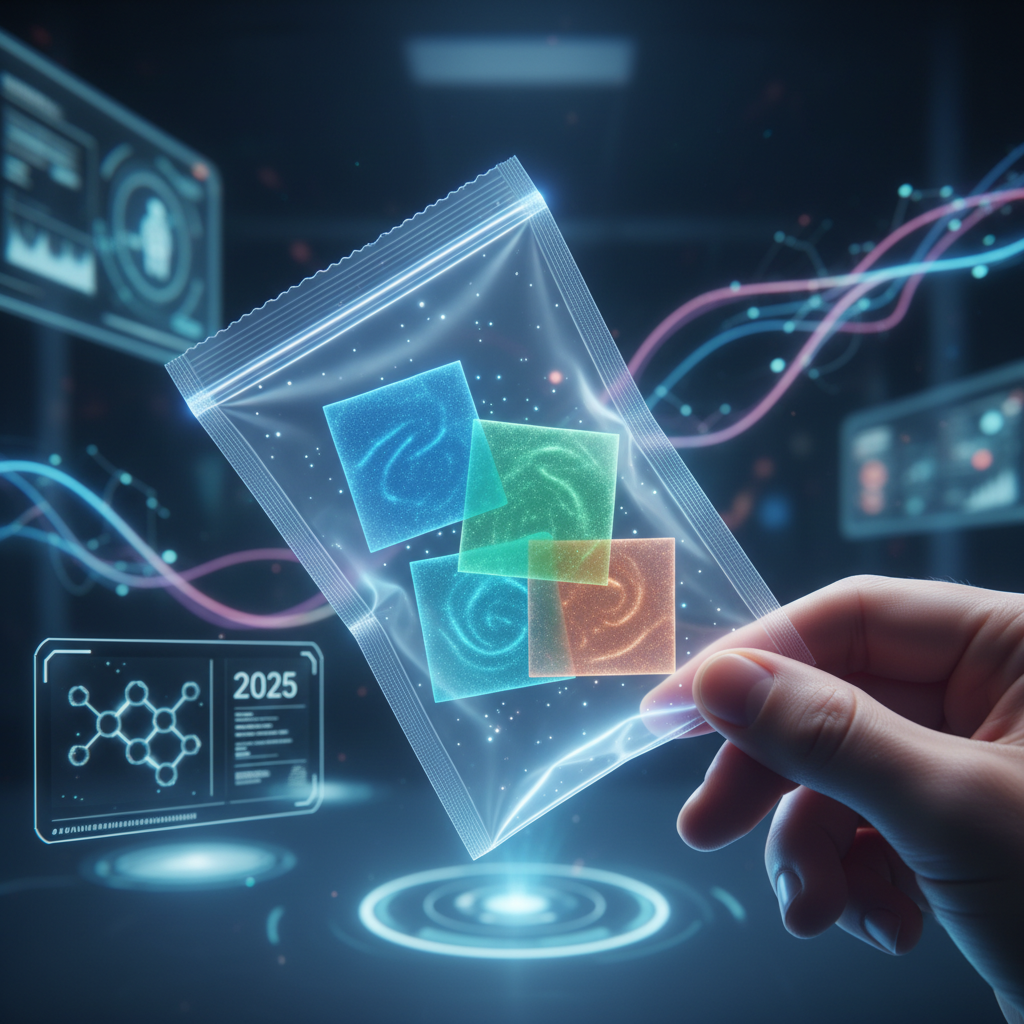
The key benefits of Oral Thin Film Pouching are numerous, including improved stability of active ingredients and customizable dosage forms tailored to individual needs. By embracing this cutting-edge technology, pharmaceutical companies can revolutionize the way patients receive their medications, particularly for those who struggle with swallowing pills or require more immediate release profiles.
As we delve deeper into the top five innovations and developments within this field, it becomes clear that Oral Thin Film Pouching is not only a step forward in medication delivery but also a significant milestone in enhancing overall healthcare experiences.
The Evolution of Oral Thin Film Technology in Pharma Delivery
The evolution of oral thin film technology in pharmaceutical delivery has marked a transformative shift in the way medications are administered. Initially developed for ease of use and patient compliance, oral thin films offer a convenient alternative to traditional dosage forms, such as pills and liquids. These films dissolve quickly in the mouth, allowing for rapid absorption of active ingredients while bypassing the gastrointestinal tract. This method not only enhances bioavailability but also reduces the onset time for therapeutic effects, making it a preferred choice for many patients.
As research and development continue to advance, oral thin film technology is being refined to accommodate a wider range of medications and active compounds. Innovations in polymer blends and manufacturing techniques are paving the way for films that can deliver higher doses with improved stability and taste masking. Additionally, the integration of smart technologies, such as biosensors within the films, holds the potential for real-time monitoring of drug effects and adherence. As these advancements unfold, oral thin films are poised to revolutionize pharmaceutical delivery, making treatment regimens more patient-friendly and effective.
Comparative Analysis: Oral Thin Films vs. Traditional Delivery Methods
The rise of oral thin films (OTFs) marks a significant transformation in pharmaceutical delivery, particularly when contrasted with traditional methods such as tablets and injections. This innovative delivery system enhances bioavailability, improves patient compliance, and provides a quick onset of action, targeting challenges faced in conventional delivery. The global oral thin films market, valued at USD 3.46 billion in 2023, is anticipated to surge to USD 7.7 billion by 2032, reflecting the increasing demand for more effective, user-friendly drug formulations.
Tips:
When considering the switch to oral thin films, keep in mind the dosage accuracy and patient-specific factors such as the ease of swallowing. Ensuring that formulations are appealing in taste and texture can significantly improve patient adherence to these therapies.
Comparatively, while traditional methods often require complex manufacturing processes and lengthy timeframes for onset, oral thin films provide a streamlined approach. They are lightweight, portable, and can be administered without water, making them ideal for patients on the go. This convenience factor underscores the importance of investing in advanced drug delivery technologies to cater to evolving patient needs.
Key Benefits of Oral Thin Film Pouching in Patient Compliance
Oral thin film pouching is quickly becoming a transformative method in pharmaceutical delivery, significantly enhancing patient compliance. This innovative approach leads to more convenient medication administration, as the films dissolve in the mouth without the need for water. The global barrier films for pharmaceutical packaging market, valued at approximately USD 8.39 billion in 2024, is projected to expand at a compound annual growth rate (CAGR) of 4.4% from 2025. This growth highlights the increasing demand for efficient drug delivery systems, where oral thin films can play a pivotal role.
One of the key benefits of oral thin films is their ability to improve adherence to medication regimens. By providing a hassle-free and fast method of intake, these films can significantly reduce the likelihood of missed doses. Additionally, their compact and portable nature allows patients to carry their medication easily, which is particularly advantageous for those with busy lifestyles or chronic conditions. As the pharmaceutical industry continues to innovate, the implementation of oral thin film pouching is positioned to address the pressing need for improved patient compliance in medication delivery.
Key Benefits of Oral Thin Film Pouching in Patient Compliance
Future Trends in Oral Thin Film Development and Applications
The oral thin films market is experiencing remarkable growth, with the global market size valued at USD 3.46 billion in 2023 and projected to reach USD 7.7 billion by 2032, reflecting a compound annual growth rate (CAGR) of 9.3%. This innovation in pharmaceutical delivery is set to transform the way drug formulations are consumed, offering a quicker onset of action compared to traditional methods like tablets and capsules. Factors such as increased consumer preference for alternative drug delivery methods and advancements in manufacturing technologies are driving this growth.
One key area of development in oral thin films is the implementation of layer-by-layer (LbL) assembly techniques, which provide enhanced surface functionalization for drug delivery systems. This technique not only improves the efficacy of the drugs but also opens new pathways for tissue engineering applications. With sustainability becoming increasingly important, the industry is also witnessing a shift towards plant-based and edible films that offer environmentally friendly alternatives for conventional packaging and drug delivery mechanisms. As the market continues to evolve, these trends will play a crucial role in shaping the future of oral thin film technology.
2025 Guide: How Oral Thin Film Pouching Revolutionizes Pharmaceutical Delivery - Future Trends in Oral Thin Film Development and Applications
| Dimension |
Current Status |
Future Trends |
Applications |
| Technology Advancement |
Emerging technologies in film formulation |
Increased use of nanotechnology |
Innovative drug delivery systems |
| Market Growth |
Rapidly expanding global market |
Projected CAGR of 15% by 2025 |
Enhanced patient compliance |
| Regulatory Landscape |
Stringent regulations and guidelines |
Easing of regulations for innovation |
Streamlined approval processes |
| Patient Engagement |
Increasing importance of patient feedback |
Greater integration of patient-centric design |
Tailored medication experience |
| Environmental Impact |
Growing concern over packaging waste |
Shift towards sustainable materials |
Eco-friendly product lines |
Regulatory Challenges and Innovations in Oral Thin Film Production
The global oral thin films market is witnessing significant growth, projected to expand from USD 3.78 billion in 2024 to USD 7.7 billion by 2032. This surge is largely driven by increasing demand for convenient and efficient drug delivery systems. Within this market, the thin film drug manufacturing sector is also set to thrive, estimated to reach USD 15.07 billion by 2034, up from USD 7.93 billion in 2025. The rising popularity of sublingual films, due to their rapid absorption and ease of use, further solidifies this trend.
However, the advancement of oral thin film production does not come without its challenges. Regulatory hurdles remain a critical concern, impacting the speed at which innovations can be introduced to the market. Establishing clear guidelines for the manufacturing and quality control of these films is vital for ensuring safety and efficacy. As the industry evolves, addressing these regulatory challenges while fostering innovation will be key to unlocking the full potential of oral thin film technologies. The future of pharmaceutical delivery could be significantly transformed as companies develop solutions that meet both regulatory standards and consumer needs.