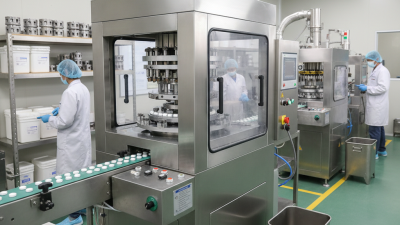
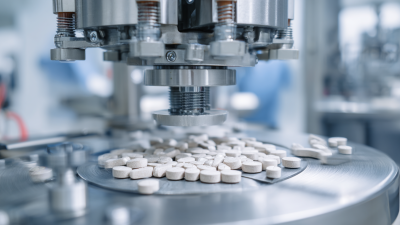
Ultimate Guide to Selecting the Right Tablets Press Machine Tips for Success
Selecting the right Tablets Press Machine is a pivotal decision for any professional or business involved in the tablet manufacturing process. Given the manifold options available in the market, understanding the essential features and capabilities of various machines is crucial in aligning with production needs and quality standards. A well-chosen tablets press machine can significantly enhance efficiency, consistency, and output, ensuring that the final products meet both industry regulations and consumer expectations.
In this ultimate guide, we will delve into the critical aspects to consider when selecting a tablets press machine, ranging from machine specifications to operational parameters. By examining these factors, you can make informed decisions that will contribute to the success of your production line. Whether you are a seasoned manufacturer or a newcomer to the industry, mastering the selection process will empower you to optimize your operations and achieve lasting results in the competitive landscape of tablet production.

Considerations for Selecting Tablets Press Machines: A Step-by-Step Approach
When selecting a tablet press machine, it’s essential to adopt a systematic approach to ensure you make the best choice for your production needs. Start by analyzing the specific requirements of your manufacturing process, including the type of tablets to be produced, desired output rates, and the material properties of the powders involved. According to a recent report by MarketsandMarkets, the global tablet press machine market is projected to grow at a CAGR of 5.2% from 2020 to 2025, underscoring the increasing demand for efficient and reliable tablet manufacturing solutions. Understanding these parameters will help you narrow down your options and identify machines tailored to your production demands.
Another significant consideration is the machine's operational versatility. Many industries, including pharmaceuticals and nutraceuticals, require machines capable of handling varying tablet sizes and formulations without compromising quality. An industry analysis published by Research and Markets highlights that companies favor tablet presses that offer easy interchangeability of tooling and settings, as this flexibility streamlines the manufacturing process and reduces downtime. Additionally, it is crucial to evaluate the overall efficiency, maintenance requirements, and compliance with industry standards to ensure your machine not only fits current needs but can also adapt to future production shifts.
Understanding Different Types of Tablets Press Machines and Their Usages
When selecting the right tablet press machine, it is essential to understand the various types available and their specific applications. Tablet press machines can be broadly categorized into single-station (or hand-operated) tablet presses, multi-station rotary tablet presses, and high-speed tablet presses. Single-station presses are ideal for small-scale operations and laboratory use, allowing for the easy adjustment of tablet parameters. According to a report by Grand View Research, the global tablet press market is projected to grow at a CAGR of 4.3% from 2021 to 2028, driven by the increasing demand in the pharmaceutical and nutraceutical industries.
Multi-station rotary tablet presses are commonly used in commercial settings, capable of producing large quantities of tablets at high speeds. These machines are particularly beneficial for mass production, with the capacity to manufacture thousands of tablets per hour. The flexibility offered by interchangeable die systems and varying compression forces allows manufacturers to create tablets of different sizes and hardness levels. Additionally, according to a market analysis by Market Research Future, advancements in technology and automation are expected to further enhance the efficiency and reliability of these machines, reinforcing their importance in tablet manufacturing.
High-speed tablet presses incorporate sophisticated technology to optimize production efficiency, featuring automatic feeding and collection systems. As per a report by Research and Markets, innovations in tablet press design are aimed at minimizing material wastage and maximizing performance, leading to significant cost savings for manufacturers. Understanding these different types of machines and their usages is crucial in selecting the right equipment to address specific production requirements effectively.
Tablet Press Machine Types and Their Usages
Different Types of Tablet Press Machines and Their Usages
| Type of Machine |
Usage Frequency |
| Single Punch Press |
30% |
| Rotary Tablet Press |
45% |
| Multi-layer Press |
15% |
| Effervescent Press |
10% |
Key Features to Evaluate: Pressure, Speed, and Tooling Compatibility
When selecting a tablet press machine, evaluating key features such as
pressure, speed, and
tooling compatibility is crucial for ensuring operational efficiency and product quality.
According to a recent report by the International Tablet Press Association, optimal pressure settings are fundamental in
achieving consistent tablet hardness and dissolution rates. Typically, tablet press machines operate between 5 to 50 tons of
pressure. However, it's essential to match the specific material requirements, as varying formulations may necessitate different pressure levels for
optimal compaction and minimal defects.
Speed is another critical factor that can significantly affect production efficiency.
Industry data suggests that high-speed tablet presses can produce up to
1,000 tablets per minute, which is essential for large-scale operations. However, high speeds may compromise
tablet integrity if the machine is not equipped with advanced monitoring systems. Therefore, finding a balance between
speed and product quality is vital, especially in industries
where precision is paramount, such as pharmaceuticals and nutraceuticals.
Lastly, tooling compatibility cannot be overlooked. Various formulations demand different tooling
configurations, such as punch and die types. Reports indicate that over 30% of production downtime in tablet
manufacturing stems from tooling issues, making it imperative to select a machine that supports a wide range of tooling options.
Ensuring that the tablet press can accommodate various tooling can enhance flexibility and reduce the lead time for product changes,
leading to improved operational outcomes.
Analyzing Production Capacity: Importance of Output Rate and Efficiency
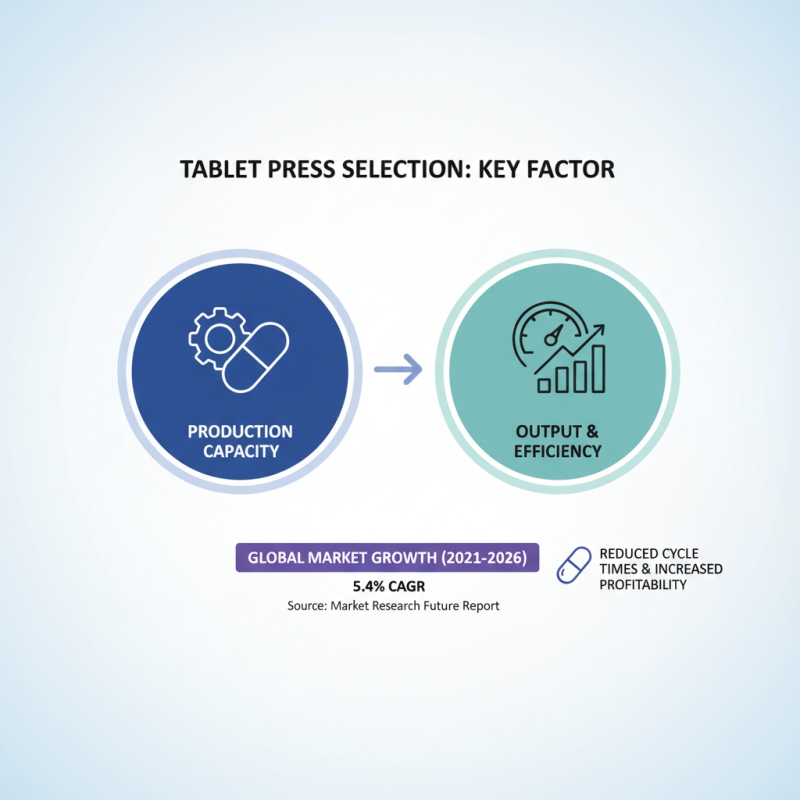
When selecting a tablet press machine, one of the key factors to consider is the production capacity, which is heavily influenced by the output rate and efficiency of the equipment. According to a report by Market Research Future, the global tablet press market is expected to grow at a CAGR of 5.4% from 2021 to 2026, emphasizing the rising demand for efficient production processes across the pharmaceutical and nutraceutical industries. High-output machines can significantly reduce manufacturing cycle times, thereby enhancing productivity and profitability.
To maximize output while ensuring quality, it is essential to choose a machine with the appropriate specifications for the material being processed. Many operators overlook the importance of performing routine maintenance and calibration. Regular checks can lead to prolonged efficiency, thereby allowing for an optimized output rate.
**Tips:** When selecting a tablet press, ensure to evaluate the machine's capability to handle different tablet sizes and shapes, as well as its adaptability to various formulations. Investing in equipment with advanced automation features can also enhance production rates, reduce manual error, and lower operational costs. Keep in mind that a machine's efficiency is often reflected in its energy consumption rates, so opt for models designed for sustainable operation while meeting your production demands.
Maintenance and Support: Ensuring Longevity and Performance in Operations
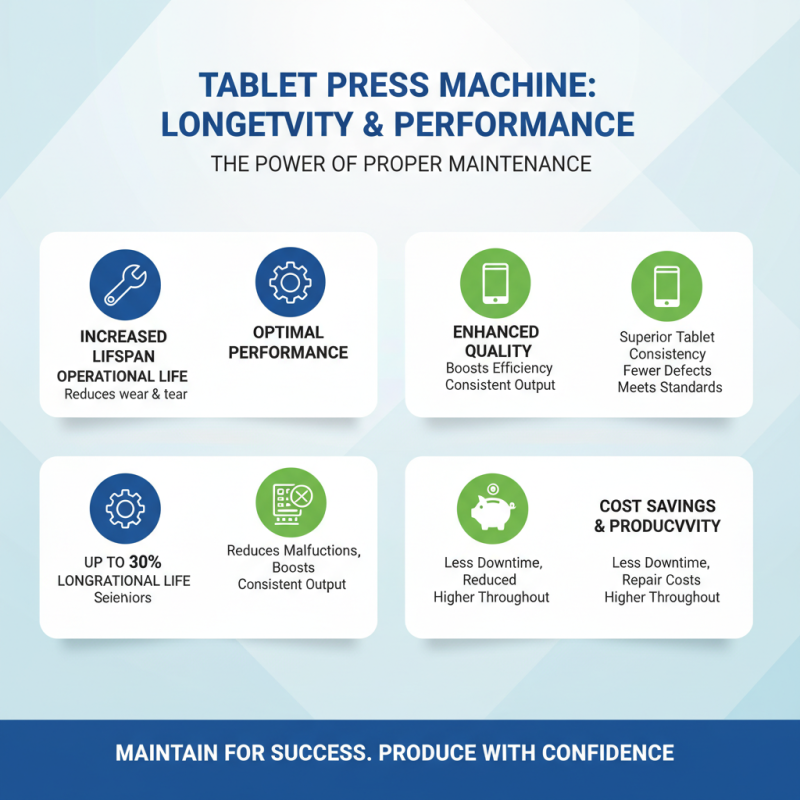
Maintaining a tablets press machine is crucial for ensuring its longevity and optimal performance. Regular upkeep reduces the risk of malfunctions, increases operational efficiency, and enhances the quality of the tablets produced. Data from industry reports indicate that proper maintenance can extend the operational lifespan of pressing equipment by up to 30%. This longevity not only aids in cost savings but also boosts productivity in pharmaceutical and nutraceutical manufacturing environments.
One key maintenance tip includes the implementation of scheduled inspections and routine checks on critical components, such as the compression tooling and hydraulic systems. Experts recommend performing these inspections at least once every month, depending on usage frequency. Additionally, utilizing high-quality lubricants and cleaning agents can prevent wear and tear, ensuring smoother operation and reducing downtime.
Moreover, it's essential to have a knowledgeable support team that can promptly address any technical issues that may arise. Studies show that businesses equipped with robust technical support systems experience 25% less equipment failure compared to those without. Thus, investing in comprehensive training programs for operators also significantly contributes to the smooth operation of tablets press machines and enhances overall performance. By prioritizing maintenance and support, manufacturers can maximize operational efficiency and maintain the highest standards in tablet production.