10 Essential Tips for Using Oral Dispersible Tablets Effectively
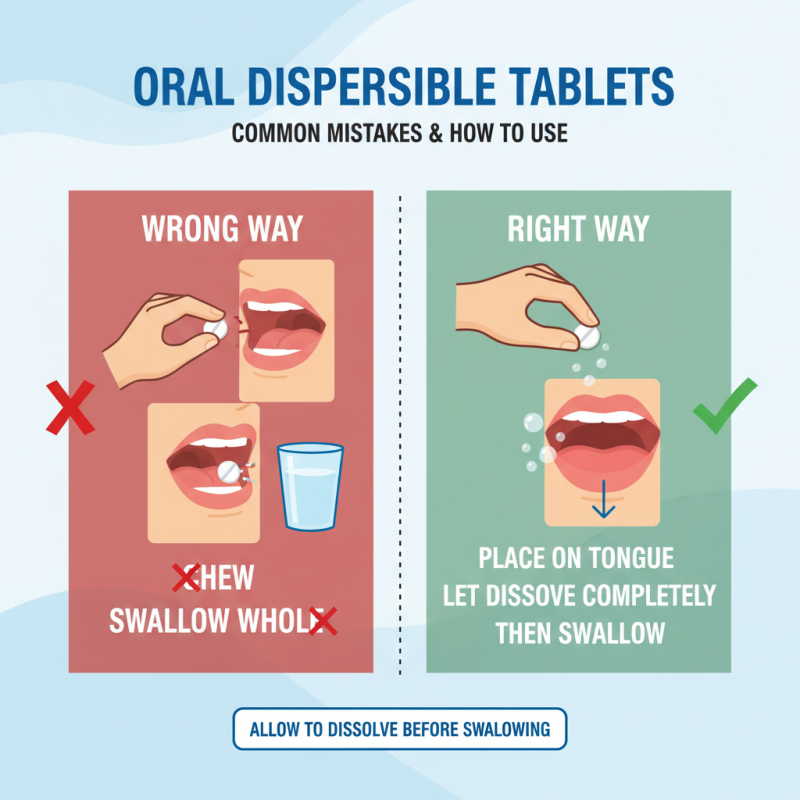
Oral Dispersible Tablets (ODTs) have become an increasingly popular dosage form due to their unique properties and advantages in medication administration. These tablets are designed to disintegrate quickly in the mouth without the need for water, making them an ideal choice for patients who have difficulty swallowing traditional tablets or for those who require rapid onset of action. However, to harness the full potential of ODTs, it is essential to use them effectively.
In this guide, we will explore ten essential tips for utilizing Oral Dispersible Tablets to maximize their benefits. From understanding the proper techniques for administration to recognizing the best storage practices, these tips aim to enhance patient compliance and ensure optimal therapeutic outcomes. By following these guidelines, both patients and caregivers can navigate the unique characteristics of ODTs with confidence, paving the way for a more comfortable and effective medication experience.
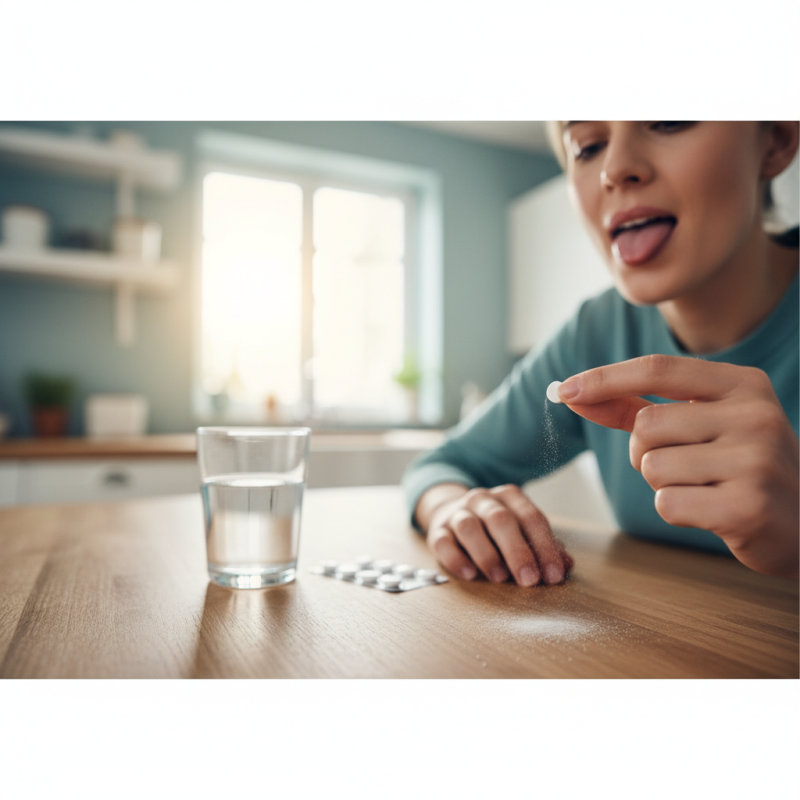
Understanding Oral Dispersible Tablets: Definition and Benefits
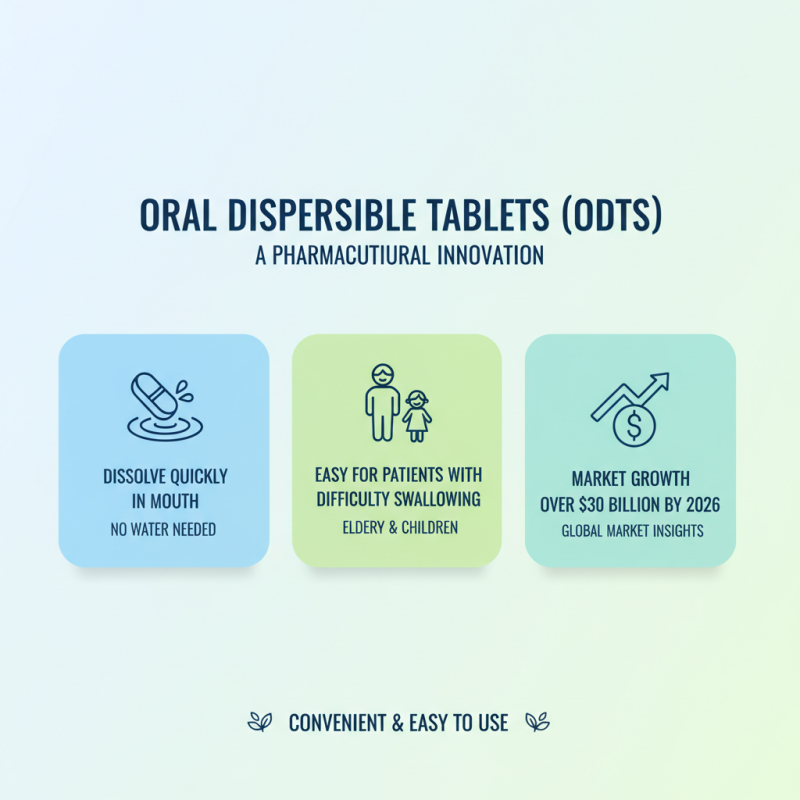
Oral dispersible tablets (ODTs) are a significant innovation in the pharmaceutical industry, designed to dissolve quickly in the mouth without the need for water. This delivery system provides a convenient option for patients who may have difficulty swallowing traditional tablets or capsules, such as the elderly or children. According to a report by the Global Market Insights, the oral dispersible tablets market is projected to reach over $30 billion by 2026, reflecting a growing demand for this dosage form due to its convenience and ease of use.
The benefits of oral dispersible tablets extend beyond mere ease of ingestion. ODTs offer improved bioavailability, as they dissolve rapidly and begin to act quickly upon administration. A review published in the Journal of Pharmaceutical Sciences highlights that ODTs can enhance patient compliance, with studies indicating that up to 65% of patients prefer ODTs over conventional tablets. Furthermore, their formulation allows for the masking of bitter tastes, making it more palatable for those who struggle with unpleasant flavors associated with many medications. Thus, the design and formulation of oral dispersible tablets are crucial in ensuring that patients receive effective treatment while also improving their overall medication experience.
How to Properly Store Oral Dispersible Tablets for Maximum Efficacy
Proper storage of oral dispersible tablets (ODTs) is crucial for maintaining their efficacy and ensuring patient safety. According to a report by the International Pharmaceutical Federation, improper storage conditions can significantly affect the stability of pharmaceutical products. ODTs, known for their rapid disintegration in the mouth and ease of administration, are particularly sensitive to environmental factors like humidity and temperature. Ideally, these tablets should be stored in a cool, dry place, away from direct sunlight. A study published in the Journal of Pharmaceutical Sciences indicates that exposure to excessive moisture can lead to a marked decrease in the active pharmaceutical ingredient's stability, potentially rendering the medication ineffective.
Furthermore, it’s essential to keep ODTs in their original packaging until they are ready to be used. This protective packaging often contains moisture-absorbing materials that help mitigate the risk posed by humidity. The American Society of Health-System Pharmacists notes that tablets stored in open containers are at a higher risk of degradation, which can lead to variability in dosage and diminished therapeutic effects. By adhering to these storage guidelines, healthcare providers and patients can ensure the maximum efficacy of oral dispersible tablets, ultimately contributing to better health outcomes.
Step-by-Step Guide on Dosage Measurement for Oral Dispersible Tablets
When it comes to measuring the dosage for oral dispersible tablets (ODTs), precision is key to ensuring effectiveness and safety. Start by checking the tablet's prescribed dosage on the healthcare provider's instructions or the medication guide. It's crucial to use the proper measuring device—this could be a calibrated syringe or a specific measuring spoon designed for medications. Avoid using common household utensils as they may not provide the exact dosage needed, potentially leading to underdosing or overdosing.
Once you have your measuring device, place the required number of tablets into a cup or bowl before dispersing them in a suitable amount of liquid. Gently stir the mixture until the tablets completely dissolve. Ensure that you administer the entire solution to receive the full dosage. After consumption, rinsing the measuring device with a small amount of water will help ensure you completed the dosage. Following these steps can help maximize the benefits of oral dispersible tablets while minimizing any risk associated with improper dosing.
Methods to Enhance the Taste and Palatability of Oral Dispersible Tablets
Enhancing the taste and palatability of oral dispersible tablets (ODTs) is crucial for improving patient compliance, particularly among pediatric and geriatric populations who may struggle with swallowing conventional tablets. A study published in the Journal of Pharmaceutical Sciences noted that taste is one of the most significant factors affecting the acceptance of ODTs, with approximately 70% of patients expressing a preference for more palatable formulations. This underlines the importance of employing various flavoring agents and sweeteners to mask the inherent bitterness of active pharmaceutical ingredients, which can significantly improve the user experience.
One effective method for enhancing the taste of ODTs involves the use of natural flavoring agents, such as fruit extracts and essential oils. Research indicates that integrating these natural flavors can lead to a 25-30% increase in patient satisfaction reports. Additionally, the incorporation of sweeteners such as sucralose or stevia has been shown to further mask unpleasant tastes and enhance overall palatability, with studies revealing that formulations with these sweeteners saw a 40% increase in acceptance rates compared to non-sweetened counterparts. Formulators also utilize coating techniques or specially designed taste-masking technologies that can ensure a more pleasant experience without compromising the dissolution or bioavailability of the active ingredients, ultimately leading to better adherence and therapeutic outcomes.
10 Essential Tips for Using Oral Dispersible Tablets Effectively
| Tip |
Description |
Benefits |
| Choose Flavor |
Select a flavor that appeals to you to improve acceptance. |
Enhances user experience and compliance. |
| Proper Storage |
Store tablets in a cool, dry place. |
Maintains efficacy and taste. |
| Dissolve in Liquid |
Dissolve in a small amount of water before consuming. |
Aids in faster absorption and enhances flavor deployment. |
| Mix with Soft Foods |
Mash or mix tablets with applesauce or yogurt. |
Improves palatability for those with taste aversions. |
| Use Cold Beverages |
Consume with chilled, flavored drinks. |
Can mask unpleasant tastes effectively. |
| Break into Smaller Pieces |
If allowed, break tablets for easier consumption. |
Facilitates swallowing and may reduce perceived taste. |
| Follow with Water |
Drink water after taking tablets. |
Helps flush residue and improves overall experience. |
| Educate Users |
Inform about the benefits and usage of ODTs. |
Increases adherence and correct usage. |
| Consult Healthcare Provider |
Discuss usage and preferences with a professional. |
Ensures safety and effectiveness tailored to individual needs. |