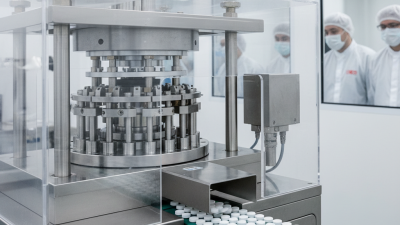
How to Choose the Right Tablet Press for Your Business?
Choosing the right Tablet Press for your business is a critical decision. The efficiency and quality of your production heavily rely on this equipment. A well-selected Tablet Press can enhance productivity and improve product quality. However, the selection process can be overwhelming due to the variety of options available.
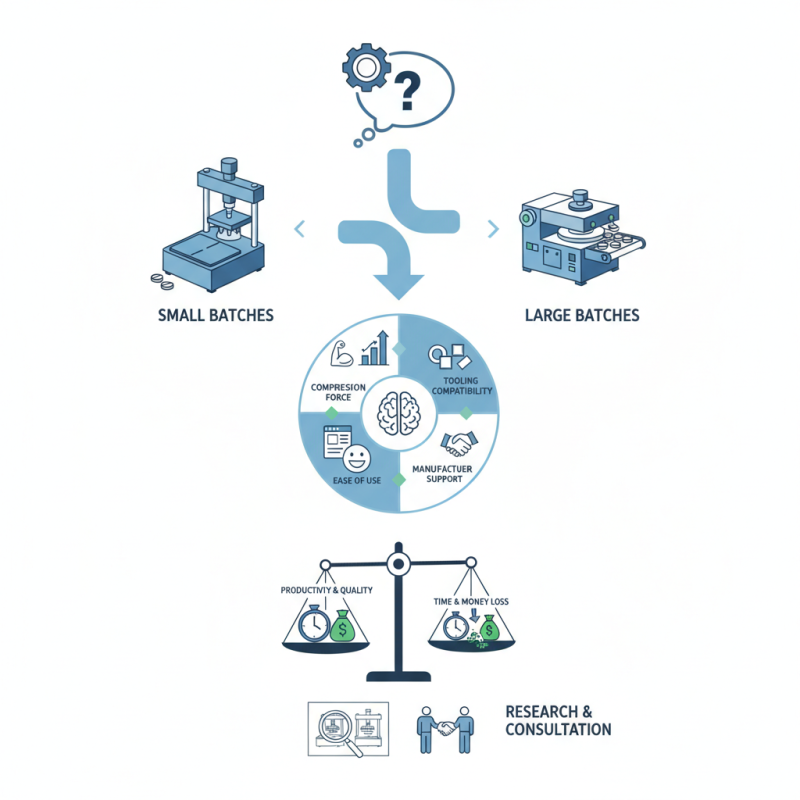
When considering a Tablet Press, it's important to evaluate your specific needs. Are you producing large batches or smaller orders? Understanding your production goals will guide your choice. Look into the technical specifications and features that matter most to you. Details such as compression force, tooling compatibility, and ease of use are crucial.
Investing in a Tablet Press is not just about the purchase. It's about fostering a relationship with reliable manufacturers. They can offer support and expertise, ensuring your equipment runs smoothly. Remember, the right choice can lead to success, while a poor selection might cost you time and money. Take the time to analyze your options thoroughly and consult with industry experts when necessary.
Understanding Your Business Needs for Tablet Press Selection
Choosing the right tablet press for your business involves a deep understanding of your production needs. According to recent industry reports, the global tablet press market is projected to reach $500 million by 2025. This growth emphasizes the importance of selecting an efficient model tailored to your unique requirements.
When assessing your needs, consider the scale of production. Are you producing small batches or large volumes? Smaller businesses may benefit from a manual or semi-automated press, while larger operations often need high-output machines. The type of product you manufacture also matters. For delicate tablets, a press with precise control may be necessary.
Tip: Evaluate the material you use. Different tablet formulations may require specific pressures or tooling. Understanding these factors can prevent costly mismatches.
Another key consideration is maintenance. A poorly maintained tablet press can lead to downtime and lost revenue. Regular checks and possible upgrades can enhance performance.
Tip: Invest in operator training. Skilled workers ensure machines run efficiently, reducing waste and maximizing output.
Take time to reflect on your current processes. Are there inefficiencies that could be addressed by a new model? The right tablet press can transform your production efficiency and quality.
Types of Tablet Press Machines and Their Applications
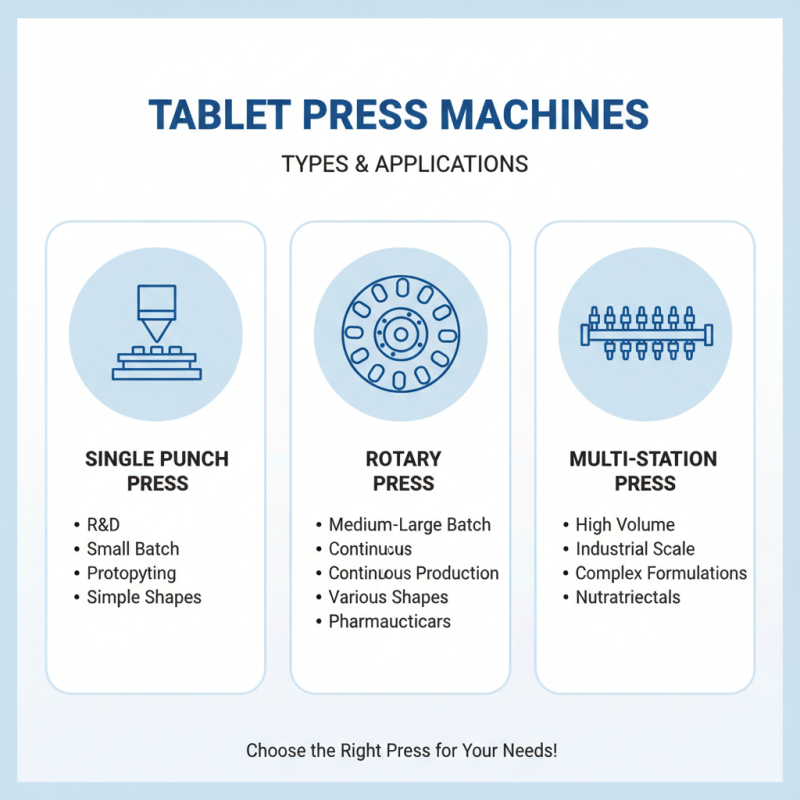
When choosing a tablet press machine for your business, understanding the various types is crucial. There are mainly three types: single punch presses, rotary presses, and multi-station presses. Each type serves different production needs, and recognizing these differences can help you make the right investment.
Single punch presses are simple and great for small batches. These machines rely on manual operation, which can be slow. However, they allow for easy adjustments and learning opportunities. Rotary presses, on the other hand, are designed for high-volume production. They can produce thousands of tablets per hour. But, they require more technical skill to operate effectively.
Multi-station presses combine the benefits of both systems. They have multiple punches operating simultaneously. This increases efficiency and production capabilities. Yet, they can be complicated and costly. Understanding your production volume and future needs will guide you in selecting the most suitable type. Reflect on your current operations and areas where improvements can be made. Balancing cost with capability is essential in making a wise choice.
Key Features to Consider When Choosing a Tablet Press
Choosing the right tablet press can significantly impact your production operations. First, consider the press's capacity. Ensure it meets your production volume. A press that is too small may slow down your workflow. Conversely, an overly large machine may lead to increased costs without providing substantial benefits.
Next, think about the die size and compatibility. Different formulations require specific tooling. Ensure the tablet press can accommodate the dies you need. This is often overlooked. Incompatibility can lead to production delays and additional expenses.
Also, assess the machine's ease of use. Intuitive controls save training time and reduce errors. A user-friendly design is crucial in fast-paced environments. Portability and maintenance are vital too. A compact design can facilitate easier transport and cleaning. Don’t shy away from seeking expert advice. Finding a tablet press that balances these features may take time and reflection. Be prepared to adjust your choices based on feedback from actual operations.
Evaluating Budget Constraints and Investment Returns
When selecting a tablet press, understanding your budget constraints is crucial. Industry reports indicate that nearly 70% of pharmaceutical companies prioritize cost-effectiveness while investing in new equipment. A tablet press can cost between $15,000 and $300,000, depending on the capacity and technology used. Evaluating your financial capabilities is essential for making an informed decision.
Investment returns are another vital factor. Research suggests that an efficiently running tablet press can boost production efficiency by up to 50%. This means that a well-chosen machine can pay for itself in two to three years. However, poor selection can lead to hidden costs, such as maintenance and downtime. Always consider the total cost of ownership, not just the initial price tag.
Balancing quality and expense can be challenging. Many opt for lower-cost options, only to face production issues later. Data shows that 30% of manufacturers regret such choices, highlighting the importance of careful selection. A transparent evaluation process, along with expert consultations, often yields the best outcomes for long-term success.
Analysis of Tablet Press Investment Returns
Maintenance and Support Services for Tablet Press Machines
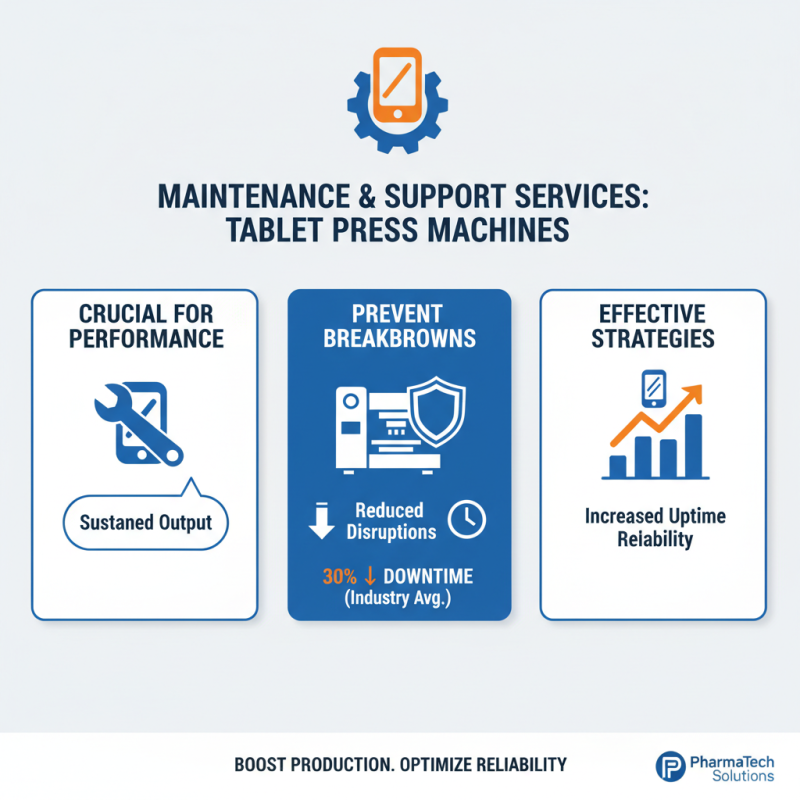
Maintenance of tablet press machines is crucial for sustained performance. Regular servicing can prevent unexpected breakdowns, which can disrupt production. According to industry reports, over 30% of manufacturing downtime is due to equipment failure. Effective maintenance strategies can drastically reduce this.
When selecting a tablet press, consider the availability of support services. It’s essential to partner with suppliers who offer comprehensive maintenance packages. Many organizations overlook this aspect, focusing only on machine capabilities. However, reliable support can extend machine lifespan by up to 50%. Regular checks, calibration, and parts replacement are vital for efficiency.
Lastly, training for operators is often inadequate. Operators must understand both operation and maintenance. Industry studies indicate that 20% of maintenance issues stem from operator error. Ensuring team members are well-trained can mitigate these risks. An informed team leads to fewer mistakes and smooth operations. Reflect on your processes to identify gaps in knowledge and support.