How to Choose the Best Capsule Filling Plate for Your Needs?
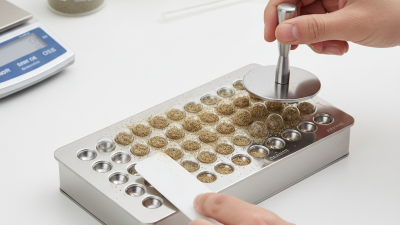
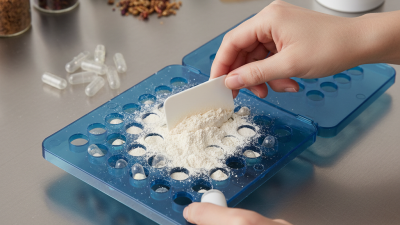
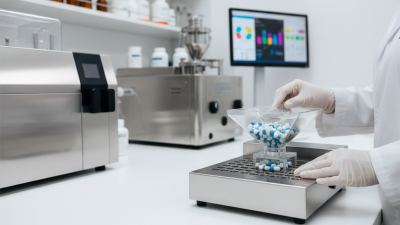
Choosing the right Capsule Filling Plate can greatly enhance your supplement or pharmaceutical production. With various options available, understanding your specific needs is crucial. A Capsule Filling Plate helps in efficiently filling capsules with powders or granules, ensuring accurate dosages.
When selecting a plate, consider factors like material, size, and filling capacity. Materials can range from stainless steel to plastic, each with pros and cons. A well-chosen Capsule Filling Plate will improve your workflow and reduce wastage.
It is essential to reflect on your production scale. Smaller projects may not need high-capacity plates, while larger endeavors might require more robust options. Don't underestimate the importance of quality. An affordable plate might seem appealing, but it could lead to inconsistencies. Balancing cost and reliability is key to making the best choice.
Understanding Capsule Filling Plates: Types and Materials
Capsule filling plates are essential for anyone interested in creating their own supplements or medications. They come in various types and materials, each with unique benefits. Understanding these options helps ensure you choose a filling plate that meets your specific requirements.
Plastic plates are common due to their low cost and lightweight nature. They often suffice for small-scale use or beginners. However, they may warp under high pressure or temperature. In contrast, stainless steel plates provide enhanced durability and can withstand more rigorous conditions. A 2022 report indicated that stainless steel plates outperform plastic in terms of longevity by 40%. This strength can be vital in a commercial setting, where production demands are higher.
Different plate sizes are another important aspect. Standard sizes include 00, 0, and 1, with 00 being the largest. The size you choose should align with the dosage requirements of the material you plan to fill. Consider a study showing that 60% of users reported dosage inconsistencies when using the wrong plate size. This insight emphasizes the need to match your capsule filling plate to the specific needs of your product, allowing for precise and reliable dosing.
Factors Influencing Capsule Size Selection for Optimal Use
When choosing the right capsule filling plate, understanding the factors that influence capsule size selection is essential. Capsule sizes range from 000 to 5, with size 00 being the most common for general use. Research indicates that larger capsules hold more content, which can lead to more efficient dosing. However, 40% of users prefer smaller capsules due to ease of swallowing. This statistic reflects the need for a balance between capacity and user comfort.
The type of content being encapsulated also plays a crucial role. For powders, a size 0 or 00 capsule may work well, while liquids often require specialized designs. A report from the Capsule Manufacturers Association shows that over 60% of formulators opt for size 0 capsules for powdered herbs and supplements. Texture, density, and moisture content can affect how well a particular size capsule performs, necessitating trials to ensure optimal results.
It's important to consider personal preferences in your choice. Not all users respond the same way to various sizes. While some may find size 1 capsules easy to swallow, others struggle. Testing multiple sizes before finalizing a choice can lead to better satisfaction rates. Paying attention to feedback during these tests is advisable, as this can highlight issues of palatability or ease of use that may have been overlooked.
Technical Specifications: Measuring Plate Capacity and Efficiency
When choosing a capsule filling plate, understanding plate capacity and efficiency is vital. Plate capacity refers to the maximum number of capsules that can be filled in one cycle. Different designs offer varying capacities, impacting your production time. For instance, a plate with a capacity of 100 capsules may seem efficient, but a 300-capsule plate can significantly cut down on repetitive tasks.
Efficiency is another critical aspect. It relates to how quickly and evenly the plates dispense powder. A study from the Pharmaceutical Technology Journal highlighted that plates with precision-engineered holes maintain a filling accuracy rate of over 90%. This level of precision reduces waste and ensures uniform dosage. However, not all plates meet this criterion, and choosing one that lacks quality manufacturing can lead to inconsistencies.
Some users have reported that high-capacity plates, while efficient in theory, can sometimes result in uneven filling if not monitored. Careful calibration is needed. Also, larger plates could mean more complex handling and cleaning, impacting overall workflow. Balancing capacity and efficiency is key. Considering these factors will help you make an informed decision tailored to your specific needs in capsule filling.
Comparative Analysis of Manual vs. Automatic Capsule Filling Systems
When considering capsule filling systems, a comparison of manual and automatic options reveals essential differences. Manual systems are often praised for their simplicity and lower initial costs. Users can gain control over the filling process, ensuring accuracy with smaller batches. However, the time and effort required for each fill can be taxing.
On the other hand, automatic systems present efficiency and speed. They can fill multiple capsules simultaneously, saving valuable time for larger production needs. Yet, this convenience comes with a steeper learning curve and significantly higher upfront costs. New users may struggle to understand complex machinery, making initial training crucial.
Choosing between these systems often depends on the scale of production. Smaller operations may find manual filling sufficient. However, high-demand environments may require the reliability of automatics. It’s vital to assess specific needs carefully. Investing in the wrong system could lead to wasted resources and diminished productivity, highlighting the need for thorough consideration and research.
How to Choose the Best Capsule Filling Plate for Your Needs? - Comparative Analysis of Manual vs. Automatic Capsule Filling Systems
| Feature |
Manual Capsule Filling |
Automatic Capsule Filling |
| Initial Cost |
Low |
High |
| Production Speed |
Low (up to 1000 capsules/hour) |
High (up to 5000 capsules/hour) |
| Ease of Use |
Moderate |
Easy |
| Labor Requirement |
High |
Low |
| Maintenance Cost |
Low |
Moderate |
| Flexibility for Different Sizes |
High |
Moderate |
| Operator Skill Level |
Medium to High |
Low |
Cost-Benefit Evaluation: Budgeting for Quality and Performance
When considering the cost-benefit of capsule filling plates, understanding material quality is crucial. A 2022 report from the Association of Capsule Manufacturers revealed that high-quality plates can reduce operational downtimes by up to 30%. The effectiveness of these plates significantly impacts performance. Yet, some users opt for cheaper alternatives, which may lead to frequent replacements and ultimately higher hidden costs.
Budgeting effectively for a reliable capsule filling plate requires assessing the long-term savings. Investing in quality often means reduced spoilage and better encapsulation rates. For instance, manufacturers noted a 25% efficiency increase when using premium plates. However, the upfront cost may deter some choices. It's important to weigh immediate expenses against these potential savings.
Not every plate delivers the same results. Some may find that the cheapest option doesn't fulfill their production needs adequately. This reflects a broader trend in the industry, where many prioritize cost over quality without realizing the implications. Making an informed choice can help businesses avoid future regrets.