Why Choose Powder Mixture Machine for Your Manufacturing Needs?
In the manufacturing sector, efficiency and precision are paramount. The Powder Mixture Machine plays a crucial role in enhancing these aspects. According to recent industry reports, the global market for powder processing equipment is projected to reach $19 billion by 2025. This growth underscores the increasing reliance on advanced machinery in production processes.
Moreover, Powder Mixture Machines are essential for industries ranging from pharmaceuticals to food manufacturing. These machines ensure uniform mixing of components, which is critical for product quality and consistency. A study by the American Institute of Chemical Engineers highlights that improper mixing can lead to significant production losses—up to 30%. Such statistics emphasize the importance of selecting the right equipment.
However, it's worth considering the challenges these machines present. Maintenance costs and the need for operator training can be hurdles for manufacturers. Investing in a Powder Mixture Machine requires careful evaluation of operational needs and long-term benefits. The decision must reflect both current manufacturing demands and future growth potential.
Understanding the Functionality of Powder Mixture Machines
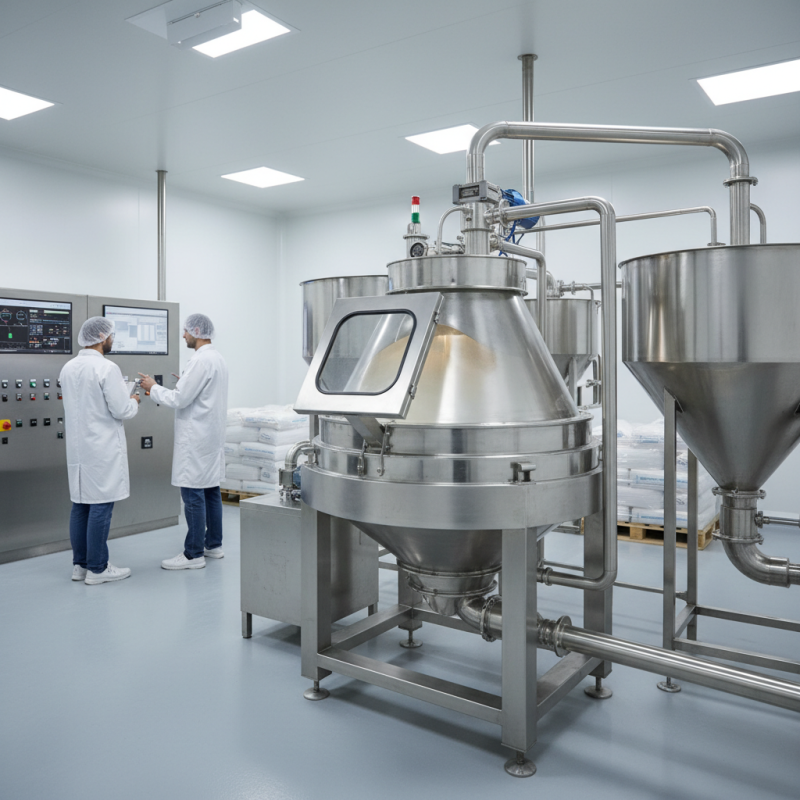
Powder mixture machines play a pivotal role in various manufacturing sectors. They blend different powders uniformly and efficiently. This process is crucial for industries such as food, pharmaceuticals, and chemicals. Each ingredient must mix precisely for optimal product quality. Inconsistent mixing can lead to variations in flavor, potency, or performance.
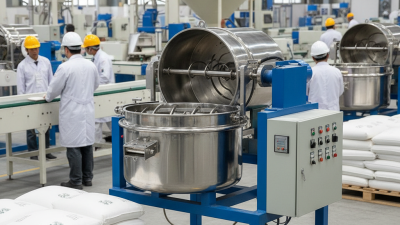
The functionality of these machines hinges on their design. Most models feature rotating drums or paddles that ensure even distribution. Some machines employ advanced technologies that provide continuous mixing. For example, some have sensors to monitor the blend's consistency in real-time. However, the accuracy can sometimes be influenced by the properties of the powders. Factors like particle size and moisture content can create challenges. Operators must regularly check and adjust to maintain quality.
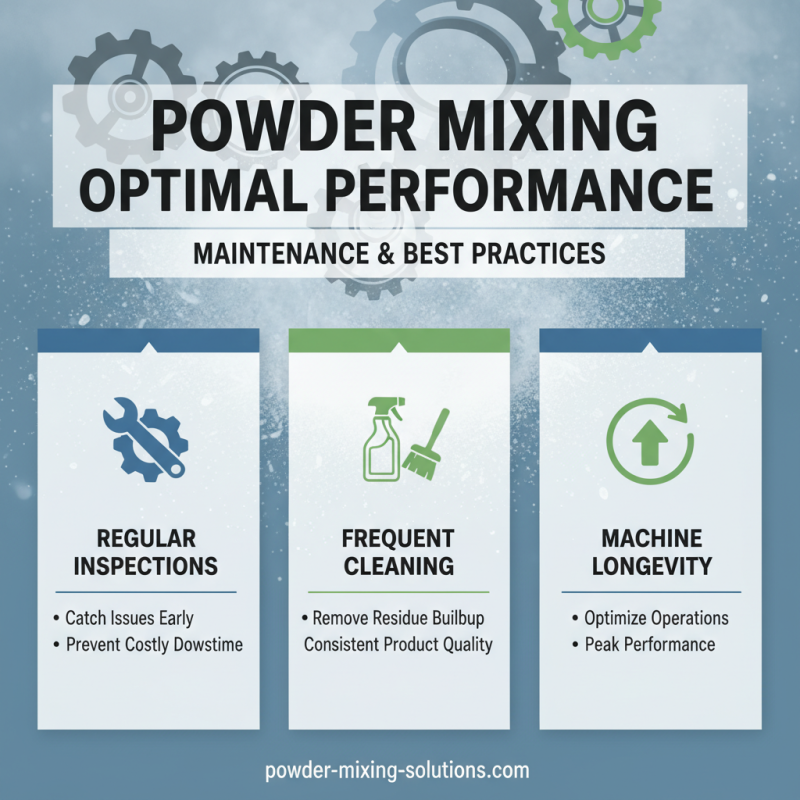
It is essential to consider not just the machine's capabilities but also operational procedures. Proper maintenance is vital for consistent performance. Many users overlook this aspect, leading to unexpected downtime. Training personnel is equally important. Without understanding the equipment fully, mistakes can occur, leading to inefficient mixing. Thus, while powder mixture machines offer remarkable benefits, the human element remains critical in the production process.
Why Choose Powder Mixture Machine for Your Manufacturing Needs?
| Feature |
Description |
Benefits |
| High Efficiency |
Rapid mixing of powders |
Increases production throughput |
| Uniform Mixing |
Consistent particle distribution |
Enhances product quality |
| Versatile Application |
Suitable for various industries |
Adaptable to different product lines |
| User-Friendly Interface |
Easy operation and monitoring |
Reduces training time |
| Compact Design |
Space-saving machine layout |
Maximizes factory space utilization |
Key Advantages of Using Powder Mixture Machines in Manufacturing
When it comes to manufacturing, the choice of equipment greatly impacts efficiency. Powder mixture machines offer significant advantages. These machines ensure uniform blending of materials. This uniformity leads to higher quality products. A consistent mix enhances the strength and durability of the final product. Manufacturers can rely on this technology for consistent performance.
One key benefit of powder mixture machines is their versatility. They handle various types of powders, which allows for diverse applications across industries. This flexibility can optimize production lines. It is essential to choose the right machine based on material properties. Mismatched specifications can lead to ineffective mixing. Assessing powder characteristics is crucial.
Here are some tips. Regular maintenance of your mixing equipment is important. This prevents unexpected breakdowns. Also, monitor the blending time carefully. Overmixing can alter material properties negatively. Always examine the batch quality. Small inconsistencies may indicate larger issues in the mixing process. Keeping an eye on these details helps maintain high standards.
Factors to Consider When Choosing a Powder Mixture Machine
When selecting a powder mixture machine, several factors must be considered. The machine's capacity plays a critical role in deciding if it meets production needs. Reports show that a machine with the right capacity can increase efficiency by up to 30%. This leads to better output in less time. Understanding the volume required daily can help determine the appropriate size.
Another crucial factor is the mixing technology utilized in the machine. Different technologies offer various benefits, such as improved homogeneity or reduced wear and tear. According to industry data, machines using advanced mixing mechanisms can reduce batch variance by 25%. This efficiency can directly impact product quality. Users should also evaluate maintenance requirements. Frequent breakdowns can lead to extended downtimes, costing manufacturers both time and money.
Finally, the material compatibility of the machine is essential. Not all machines handle every type of powder effectively. Industries often report that choosing the wrong machine results in suboptimal mixing and product inconsistency. This highlights the need for careful analysis. Manufacturers must weigh these factors against their specific needs to avoid costly errors.
Applications of Powder Mixture Machines Across Various Industries
Powder mixture machines play a vital role across various industries. They are essential in the food sector, especially for blending spices and seasonings. According to recent reports, the global spice market is projected to reach $23.5 billion by 2027. This growth signifies the need for efficient powder mixing technologies. Consistency in product quality is critical, and these machines help achieve that with precise blending.
In pharmaceuticals, powder mixers are crucial for manufacturing tablets and capsules. A study by Grand View Research highlights that the global pharmaceutical market is expected to grow at a CAGR of 4.4% from 2021 to 2028. In this context, the accuracy of mixture ratios is paramount. Even minor deviations can lead to ineffective medication. Hence, reliable powder mixture machines support dosage accuracy and enhance overall product reliability.
The plastic industry also benefits from powder mixing. It is vital when creating specialized compounds that require uniformity. Data indicates that the global plastics market is set to exceed $654 billion by 2025. While powder mixers greatly improve efficiency, there are concerns about maintenance. Regular checks and calibrations are necessary to avoid production issues. Neglecting this can lead to significant operational challenges. Exploring the effectiveness and longevity of these machines is essential for manufacturers aiming for sustainable growth.
Applications of Powder Mixture Machines Across Various Industries
This chart illustrates the distribution of powder mixture machine applications in various industries such as Food, Pharmaceuticals, Chemicals, and Materials.